
Table of Contents
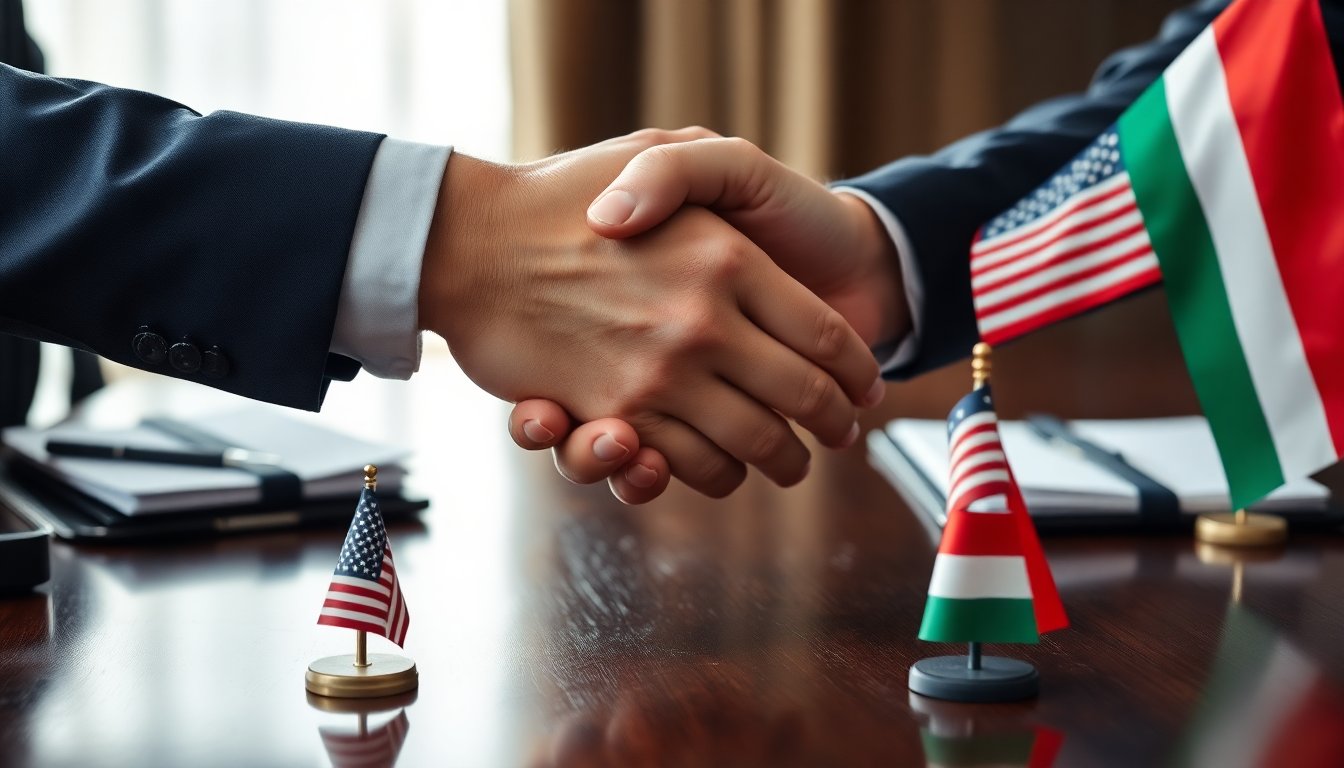
As reported on Mar 26, 2026, the campaign to keep Viktor Orban in power has attracted conspicuous support from senior U.S. figures, turning a domestic contest into an international story. President Donald Trump has repeatedly praised Orban and publicly endorsed his bid, using his social platform and speeches to signal approval. Visits and planned trips by senior officials such as Secretary of State Marco Rubio and Vice-President JD Vance have added a high-profile layer of U.S. involvement. These actions have provoked debate in several capitals about whether public backing from foreign leaders helps or harms the candidate it is meant to buoy, and whether such interventions influence voter sentiment in Hungary.
The Hungarian campaign itself has mixed long-term tactics with new outreach. Orban’s team has assembled messages from international allies—from politicians to cultural figures—to present a narrative of global approval. At the same time, his challenger, Peter Magyar of the Tisza party, presents a centre-right alternative and emphasizes a break from some of Orban’s recent policies. The divide in the electorate reflects deeper questions about media, electoral rules and foreign policy, all of which are being spotlighted by the recent stream of endorsements and visits.
International endorsements and visits
Support for Orban has not been limited to social-media posts. President Trump has offered repeated public statements of backing, including endorsements carried on his platform and recorded messages for conservative gatherings. Mr. Rubio‘s trip to Budapest in February and an announced visit by Vice-President Vance have also signalled a clear U.S. interest in the outcome. These appearances echo praise from American conservative institutions such as the Project 2026-aligned think tanks and the Heritage Foundation, which regard Orban’s emphasis on national sovereignty, family policy and immigration control as a blueprint for right-leaning governance abroad.
Political symmetry and criticism
That symmetry between U.S. conservatives and Orban’s style has drawn sharp criticism as well as admiration. Critics point to concerns about media freedom and institutional changes under Orban, noting that international praise can be seen as validation of policies labeled by watchdog groups as hostile to independent press. Meanwhile, supporters argue the alignment is ideological rather than transactional, praising Orban for what they call decisive leadership on economy and values. The interplay of praise and rebuke has created a volatile backdrop for Hungarian voters assessing foreign voices in a domestic campaign.
Domestic dynamics: campaign tactics and economy
Inside Hungary, campaign methods that have sustained Orban’s popularity in past cycles are again in evidence. State-friendly media coverage and modifications to electoral rules have been cited as factors that shape competitive conditions. Economically, the government highlights job creation and growth, yet independent statistics such as Eurostat placed Hungary’s real GDP growth in 2026 near the lower end of the European Union, complicating that narrative. The opposition frames these economic indicators alongside concerns about corruption, transparency and foreign policy choices that affect Hungary’s place within EU structures.
Foreign policy flashpoints
Foreign policy has become a prominent wedge issue. Orban’s cautious stance on Kyiv and his reluctance to back certain EU measures have strained ties with some partners; he notably blocked a 90 billion euro EU aid package for Ukraine, a move that unsettled many in Brussels. Tensions over energy have also been highlighted by disputes involving the Druzhba pipeline and access to Russian oil, and by Hungary’s temporary seizure of some Ukrainian assets. These episodes have fed opposition accusations that the government prioritizes geopolitical ties over wider European solidarity.
Campaign atmosphere and closing weeks
The closing phase of the contest has been tense, with accusations and counter-accusations traded in public and in press reports. Opponents have seized on investigative reporting alleging regular contacts between Hungarian officials and Russian counterparts, while the government has dismissed some stories as “fake news.” Orban’s campaign has also solicited endorsements from a diverse list of voices—political leaders abroad and celebrity supporters—to create a sense of international legitimacy. Whether U.S. endorsements and the visible presence of American officials will sway undecided Hungarian voters, consolidate Orban’s base, or provoke a nationalist backlash remains uncertain as voters weigh domestic performance, identity politics and Hungary’s foreign alignments.