
Table of Contents
Us, israel and iran exchanges trigger strikes across the middle east
On 5 Mar 2026, clashes involving the United States, Israel and Iran produced a wave of strikes and counterstrikes across the region.
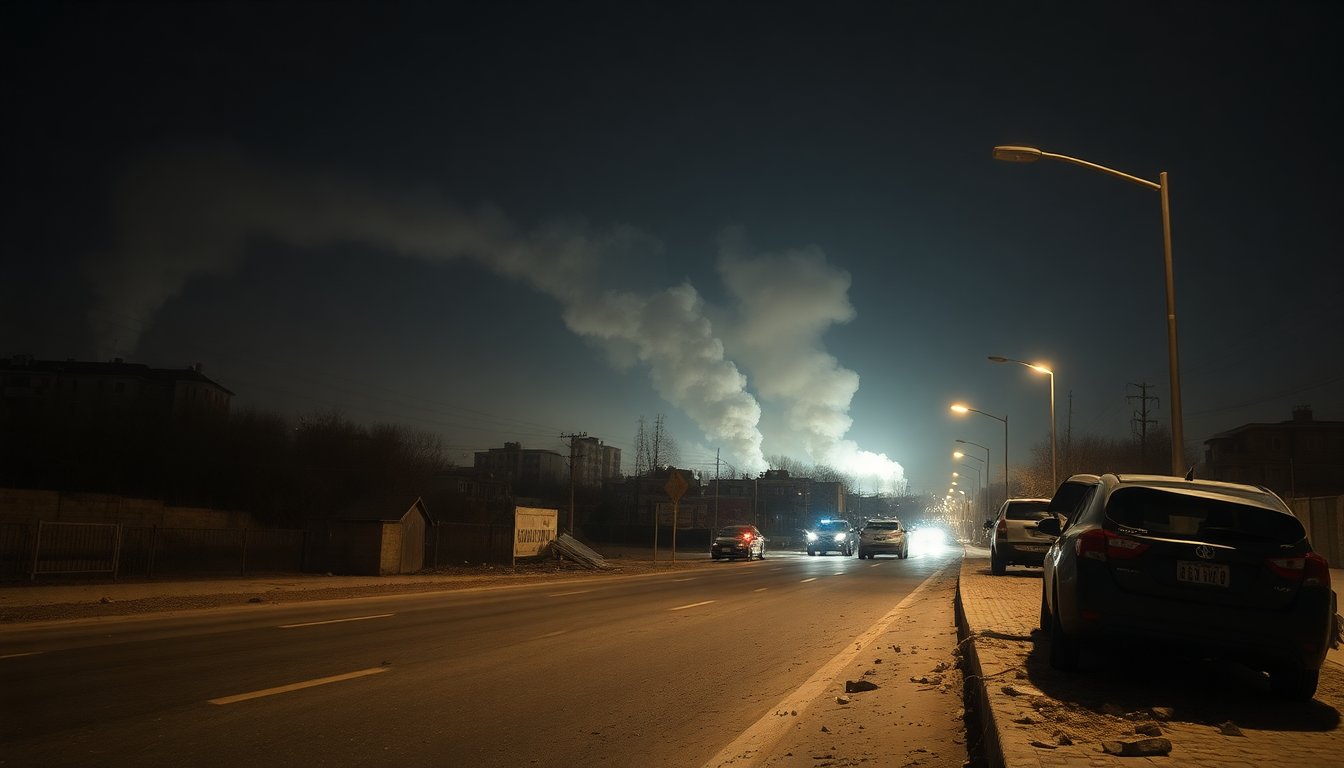
Nighttime explosions sent pillars of smoke over multiple Iranian cities. Reports indicated strikes near a media centre in Sanandaj and damage across sectors of Tehran.
The events have already prompted military, diplomatic and humanitarian responses from states across the Middle East. Casualty figures and damage assessments remain provisional.
As facts continue to emerge, on-the-ground consequences include disrupted services, population displacements and heightened regional alertness.
As a chef I learned that the palate never lies; in conflict reporting, observable facts and verified sources provide the same uncompromising evidence.
Scope and immediate effects of the strikes
The exchanges have widened from initial tactical strikes to a broader campaign of missile and drone attacks. Iranian forces and allied militias fired projectiles toward Israel and other Gulf states. Reports indicate an impact inside the U.S. Embassy compound in Kuwait.
U.S. and Israeli operations have continued to target facilities inside Iran. Those strikes have produced rising civilian casualties and damage to infrastructure, according to multiple reports. Governments have issued evacuations and travel advisories and held emergency briefings in several capitals.
As a former chef I learned that clear evidence matters: the palate never lies. In reporting on conflict, verified eyewitness accounts, satellite imagery and official confirmations provide the same uncompromising proof. Independent verification remains essential amid competing claims.
Hospitals and civilian services in affected areas are reporting strain. Disruptions to power, water and transport have been noted where infrastructure was hit. Humanitarian agencies have warned that continued strikes will increase needs for medical care and shelter.
Military analysts say the current phase raises the likelihood of further escalation across the region. Diplomatic channels are active, but there is no public sign of a de-escalation agreement at this time.
Diplomatic channels remain active, but there is no public sign of a de-escalation agreement at this time. The initial U.S.-Israeli campaign struck a range of targets in Iran, including military sites, airfields and command facilities. Aerial images and footage circulated showing fires and rising smoke. One strike reportedly affected an area near a media installation in Sanandaj. Iranian authorities and the Iranian Red Crescent Society reported heavy civilian tolls, estimating at least 555 fatalities and damage across more than 130 cities. U.S. officials said several service members were wounded and confirmed the deaths of six American service members in related incidents.
Collateral damage and civilian infrastructure
Reports from Iranian authorities and humanitarian agencies indicate widespread damage to civilian infrastructure. Hospitals, residential blocks and municipal services were among the facilities said to be affected. Communications networks and local media outlets reported outages in several areas. The scale of reported urban damage complicates relief access and the delivery of emergency services.
Humanitarian organizations on the ground described urgent needs for medical supplies, shelter and water. Local authorities and international agencies have not published a consolidated casualty list. Verification of some field reports remains pending because access to some affected areas is restricted.
Sanctions, logistics and reconstruction: analysts say restoring damaged public services will require coordinated funding and secure supply routes. Reconstruction of critical infrastructure typically depends on clear security conditions, assessment teams and international procurement channels.
As a chef I learned that the palate never lies, but in conflict zones the evidence must be gathered and verified carefully. Independent verification by neutral monitors will be essential to establish the full scope of civilian harm and infrastructure loss. Continued reporting will track confirmations from international organizations and field investigators.
Continued reporting will track confirmations from international organizations and field investigators. Officials and witnesses described a widening humanitarian impact beyond immediate combat zones.
Iranian authorities released images they said showed rows of fresh graves and grieving communities after what they allege was an airstrike on a girls’ elementary school in southern Iran. Iranian officials said dozens of children were killed. Both the U.S. military and the Israeli military said they were investigating the claim.
Local officials reported closures of schools and reductions in essential services across the region. Many institutions shifted to remote operations or paused activities as a precaution. The disruptions illustrate how the conflict is affecting daily life far beyond front lines.
Regional escalation and allied responses
Allied governments issued statements urging restraint and demanding independent verification of civilian casualty reports. Some partners called for immediate access for humanitarian organizations.
Military spokespeople framed operations as targeted strikes on military infrastructure. Humanitarian groups said indiscriminate or unverified strikes risk severe civilian harm and complicate relief efforts.
Humanitarian agencies have requested safe corridors and unfettered access for medical teams and aid deliveries. Field investigators and international monitors were expected to seek access to the affected sites to corroborate claims.
Behind every dish there’s a story, and here the story is one of interrupted lives and strained services. The human toll, investigators say, will only be clear after independent verification and on-the-ground assessments.
The widening fighting has opened new fronts across the region as strikes inside Iran intensified. Hezbollah fired rockets and drones at northern Israel. Israeli air operations followed in southern Beirut and southern Lebanon. The clashes have produced dozens of casualties and left parts of the city skyline shrouded in smoke. In parallel, Iran and affiliated militias launched strikes toward Gulf states and U.S. facilities. A separate campaign of threats prompted temporary evacuations of diplomatic staff in locations such as Amman and other regional posts.
Diplomatic and political reverberations
Embassies and consulates have reduced on-site staffing and increased security measures. Several missions shifted nonessential personnel to safer locations while assessing threats. International organisations called for restraint and independent investigation into civilian harm. Humanitarian agencies warned that access to affected areas remains limited, complicating relief planning and verification of reported casualties.
The military escalation has already altered regional diplomacy. States that previously acted through back channels are engaging more visibly in public statements. Multilateral forums are preparing emergency consultations to discuss de-escalation and protection of civilian infrastructure. Economic and logistical disruptions are expected to complicate humanitarian response and supply chains in neighbouring countries.
The palate never lies: even distant markets and kitchens are feeling the effects through interrupted supply lines and rising costs. Food security and medical logistics specialists say fragile communities near conflict zones are at greatest risk. Independent field verification and on-the-ground assessments remain essential to clarify the full human toll and guide international assistance.
Washington briefed lawmakers and prepared requests for additional funding to sustain ongoing operations. Congressional leaders received classified briefings that prompted debate over the operation’s aims, duration and legal basis. Some political figures described the actions as necessary defensive measures. Others questioned whether Congress had given adequate authorization or whether a clear exit strategy existed. International organizations and U.N. officials highlighted the crisis’ effect on children and on education across the region.
Independent field verification and on-the-ground assessments remain essential to clarify the full human toll and guide international assistance. As a former chef I often said, the palate never lies; in conflict reporting, rigorous verification similarly reveals the true shape of harm.
Military dynamics and humanitarian response
The palate never lies, but in conflict reporting rigorous verification reveals the true shape of harm. U.S. commanders said the military campaign aims to degrade Iran’s missile and strike capabilities and to prevent rapid reconstitution of systems that could threaten regional security.
Officials emphasized that the stated objectives target specific military capacities rather than explicit regime change. They described operations as limited in scope and technical in focus.
Humanitarian agencies reported urgent needs for shelter, medical care and food in areas affected by strikes and displacement. Coordination between military actors, international agencies and local responders remains a priority to expand and protect relief delivery.
Israel announced measures to reopen one Gaza crossing to permit limited humanitarian aid deliveries under defined security constraints, citing critical shortages in the territory. Agencies warned that constrained access and security conditions will hinder scaled assistance.
Outlook and open questions
Key uncertainties include how effectively the campaign will degrade targeted systems and how long capabilities might take to reconstitute. Allies and partners face questions about sustainment of operations and long-term burden sharing.
Humanitarian challenges are immediate. Will access expand beyond single crossings, and can supply chains be protected long enough to meet rising needs? Displacement patterns and seasonal health risks complicate planning.
Risk of escalation remains a central concern for policymakers. Officials must weigh operational gains against potential retaliatory actions and wider regional instability.
Behind every operational update there is a human story and a logistical challenge. As a former chef I learned that assessing supply lines and timing is as critical in a kitchen as in relief operations.
Further developments will depend on operational results, diplomatic engagement and the capacity of aid actors to scale assistance under insecure conditions.
Uncertainties linger as operations continue
The campaign remains active, and several core uncertainties persist about its trajectory and consequences. Who will sustain the operations, and for how long, is not yet clear. The degree to which Iranian leadership and proxy networks will adjust their posture is unknown. Regional partners face a test in preventing wider spillover.
The human cost has risen, and infrastructure damage is extensive. These developments have increased demands for accountability and for independent inquiries into civilian casualty claims. Humanitarian organizations and rights groups have urged thorough, impartial investigations.
Diplomatic channels are under renewed strain as international actors call for de‑escalation. Effective diplomacy and operational outcomes will shape whether the crisis widens or is contained. The capacity of aid actors to scale assistance under insecure conditions will also influence near‑term developments.
Travel advisories and embassy guidance continue to urge caution for civilians in affected areas. The security environment is fluid, and authorities recommend following official instructions as events unfold.
The security environment is fluid, and authorities recommend following official instructions as events unfold.
The strikes that began on 5 Mar 2026 have reshaped the regional balance and intensified pressures across multiple fronts. Military operations continue alongside mounting humanitarian emergencies and rising diplomatic strain. Observers say immediate security aims now compete with the need to protect civilians and restore stability.
Humanitarian agencies face constrained access and stretched resources. Displacement and supply-chain disruptions persist in affected areas. Aid coordination will be crucial to meet urgent needs without worsening tensions.
Diplomats have opened urgent channels to prevent escalation and to seek ceasefire mechanisms. Political negotiations will need to reconcile short-term security demands with longer-term governance and reconstruction plans.
Behind every action there’s a story of communities forced to adapt, decisions taken under pressure, and regional ties put to the test. Reporting will continue as events evolve and new information becomes available.