
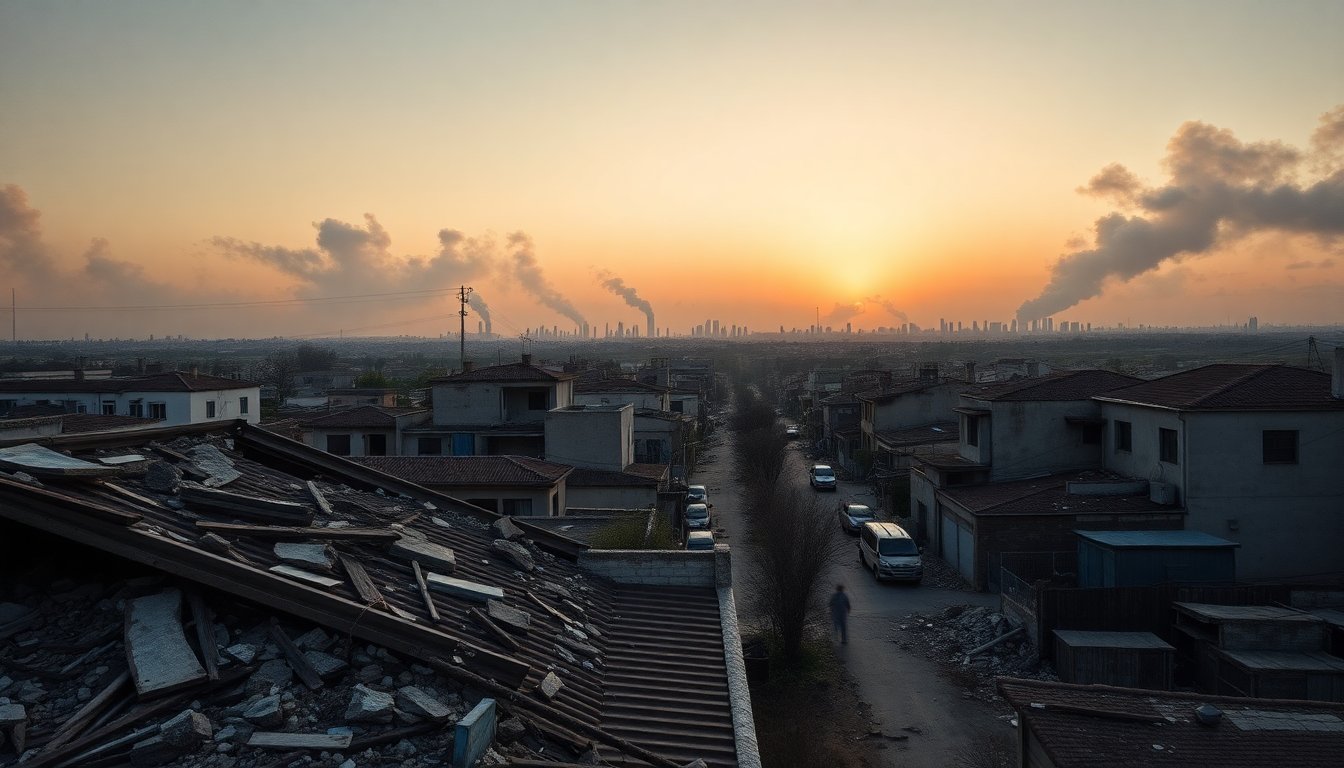
March 1, 2026 — In a coordinated strike, U.S. and Israeli forces attacked multiple sites inside Iran, damaging military installations and some residential compounds. Early accounts conflicted sharply: officials, state media and independent outlets offered different versions of events, and questions about the condition of Iran’s Supreme Leader only deepened the confusion as investigators worked to verify facts on the ground.
What happened and where
Military sources report that attacks struck targets across several provinces, including weapons depots, command-and-control centers and selected residences. Independent confirmation is still incomplete; analysts are piecing together satellite imagery, open-source footage and local reporting to form a clearer picture.
How the operation was presented
U.S. officials described the action as pre-emptive — intended to blunt what they characterized as imminent threats from Tehran. Israeli leaders emphasized shared security concerns and the need to disrupt Iran’s capacity to project force. Public messaging focused on degrading specific capabilities rather than signaling any intention of occupation.
Munitions, logistics and trade-offs
A practical constraint quickly came into view: sustained, high-intensity operations rely on a steady supply of specialized munitions, and inventories are far from limitless. That reality forces commanders into hard choices about timing, target selection and how much to reserve for potential follow-up strikes. Shortages of precision-guided weapons, limited aerial refueling capacity and long production lead times all factor into those decisions.
The implications extend beyond military planning. Logistics bottlenecks and chokepoints spill into global trade and energy markets, prompting companies and governments to revisit contingency plans. Firms with diversified suppliers, buffer stocks and flexible routing are better placed to absorb the disruption.
Diplomacy and the risk of escalation
The strikes triggered an immediate flurry of diplomatic activity. Emergency sessions convened at international bodies and in regional capitals as leaders tried to prevent a wider spiral of retaliation. Missile and drone exchanges that followed hit military bases and populated areas around the Gulf, underlining how quickly violence can feed more violence and threaten vital shipping lanes and civilian infrastructure.
The munitions shortfall also reshapes coalition politics: countries with available stockpiles or production capacity suddenly gain greater leverage over operational tempo and strategic choices.
Scope and strategic intent
Allied statements said the campaign targeted missile networks, nuclear-related facilities, command nodes and leadership sites — efforts described as intended to reduce Tehran’s ability to support or conduct further regional actions. Some analysts see this as a tactical move away from classic deterrence toward more direct attempts to neutralize leadership and infrastructure, a shift that carries the risk of faster, wider escalation.
Immediate economic fallout
Companies in shipping, insurance and energy are already reassessing routes, inventories and contingency plans. Boards and investors are treating supply-chain and energy-security risks with heightened urgency as geopolitical instability translates into operational and reputational exposure.
The information battle
Conflicting reports about Iran’s top leadership added another volatile element. While some outlets claimed the Supreme Leader had been killed in an attack on his residence, Tehran issued firm denials and used state channels to reassure the public. That swirl of contradictory information prompted diplomatic outreach at the United Nations and among regional governments, a reminder that battlefield events often outrun the ability to verify them and can quickly inflame political responses.