
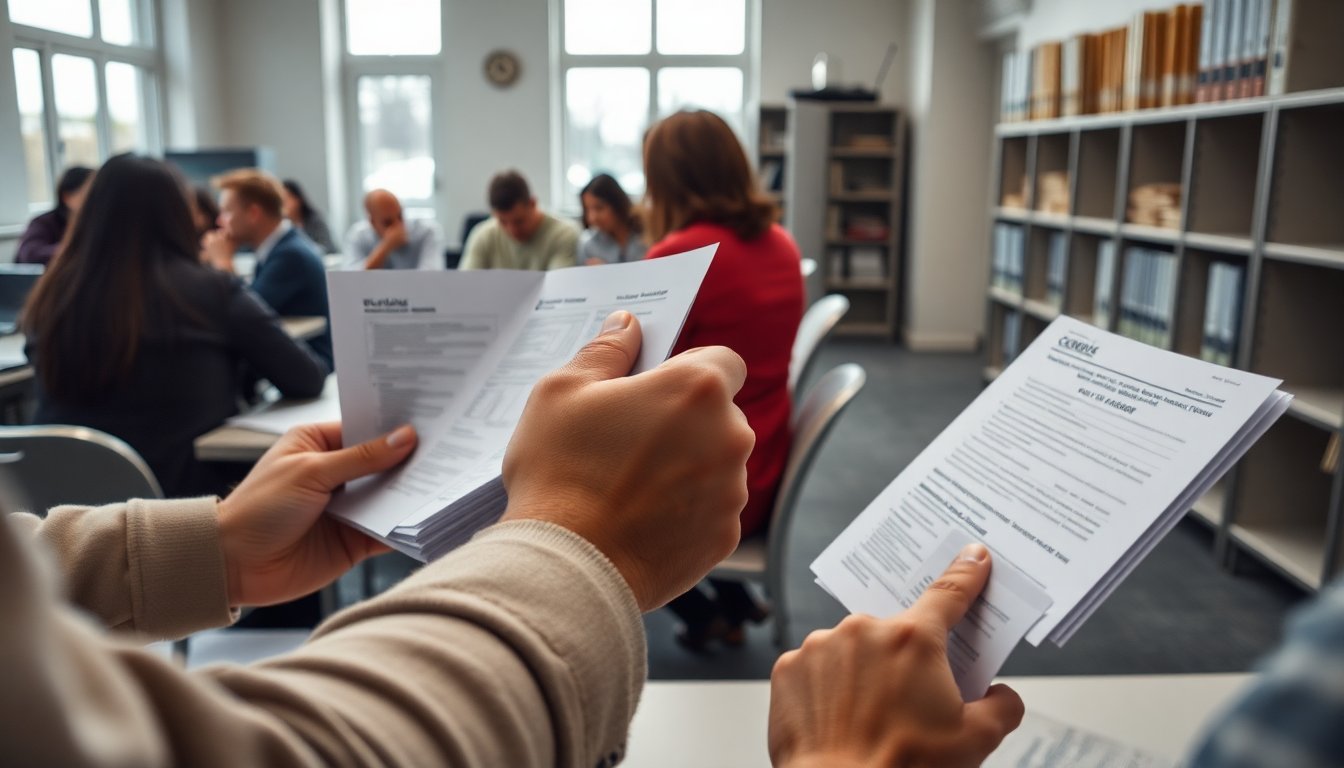
Who gets to vote is suddenly a frontline political fight. Across several states, Republican lawmakers are pushing tougher requirements to register and cast ballots — including demands for documentary proof of citizenship — while county clerks and voting-rights groups warn those rules could block eligible people from voting. At the same time, a federal verification tool used to check citizenship is producing frequent mismatches. The combined effect: higher workloads for local offices, more frustrated voters, and a risk that imperfect technology will determine who participates in elections.
What lawmakers are proposing
– The push: New laws would require people to show documentary proof of citizenship when they register or when registrations are cross‑checked. Backers say these steps protect the integrity of voter rolls; opponents say they create unnecessary barriers.
– Who’s involved: State Republican legislators and some secretaries of state are leading the effort. County clerks, civil‑rights groups and many local election officials oppose or urge caution.
– Where it’s happening: Proposals are moving through multiple state legislatures and prompting operational reviews at county election offices.
– Why it matters: Many registration systems rely on automated matching against federal or state records. When records are incomplete, names use different formats, or addresses have changed, automated checks can return false positives (flagging citizens as noncitizens) and false negatives. Those errors can trigger burdensome follow‑up steps or even wrongful cancellations.
The practical cost on the ground
– Administrative strain: Requiring extra documents increases processing time and creates backlogs. Clerks report routine mismatches over hyphens, middle names, and address histories — small differences that can cascade into major delays.
– Real voters, real consequences: For people without easy access to birth certificates or naturalization papers — including low‑income residents, seniors, and some minority communities — extra paperwork can be a real barrier. Legal advocates warn that litigation under equal‑protection clauses and the Voting Rights Act is likely if policies are implemented without safeguards.
– Policy tradeoffs: Tighter rules might weed out some improper registrations, but they can also erect new obstacles for legitimate voters. Election administrators say any new standard should be paired with testable matching algorithms and clear remediation steps.
Problems with the federal verification tool
– The SAVE system: Counties have relied on DHS’s Systematic Alien Verification for Entitlements (SAVE) to check citizenship status. Originally built for benefits eligibility, SAVE is now being used in voter‑registration workflows — and pilots have exposed serious mismatches.
– Types of errors: Incomplete records, outdated information, and inconsistent name formatting lead SAVE to flag people who have proof of citizenship. Officials have found many SAVE “noncitizen” hits are wrong after manual review.
– Consequences: False positives can force voters onto provisional ballots, require extra identity checks, or result in removal from registration rolls. Those outcomes are particularly harmful for people without quick access to internet or travel, effectively denying participation at the polls.
– Transparency and accountability: Relying on opaque, automated checks shifts weight from human judgment to algorithms. That raises questions about auditability, data accuracy, and responsibility when systems err.
How communities are responding
– Local organizing steps in: Civic groups, party clubs, faith organizations, and legal clinics are mobilizing where mismatches are common. Volunteers help people obtain documents, fill out provisional ballots, and challenge inaccurate records.
– Practical tactics: Pop‑up registration sites, multilingual outreach, workshops on acceptable ID, and mobile assistance are common. Groups also collect data on mismatches to support legal or administrative challenges.
– Scaling support: Train‑the‑trainer programs, short checklists for volunteers, and stipends for coordinators help sustain outreach during peak registration periods.
Recommended safeguards and next steps
– Test before you roll out: Election officials want pilot programs, independent audits, and clear error‑rate thresholds. Technical pilots can show where automated matching breaks down and how much human review is needed.
– Improve transparency: Public documentation of matching criteria, regular audits, and timely publication of error rates would make the process more accountable.
– Preserve access: Plain‑language notices, multilingual materials, multiple channels for submitting proof, and robust manual review procedures are essential. Legislatures could also require notice periods, alternative verification pathways, and limits on purge actions.
– Fund the fix: Any new verification regime has costs — staffing, training, outreach, and legal support. Without adequate funding, local offices may face impossible tradeoffs between speed and accuracy.
Why local choices will decide the outcome
States and federal agencies set rules and provide resources, but county clerks and municipal election offices decide how those rules work in practice. The operational choices they make — staffing levels, procurement decisions, and training programs — will determine whether reforms strengthen both confidence in elections and access to the ballot.
This debate is moving from abstract arguments about “integrity” into nitty‑gritty questions of feasibility and fairness. Watch for legislative hearings, attorney‑general opinions, and guidance from secretaries of state. Those decisions — combined with pilot results and independent audits — will show whether verification changes protect elections or unintentionally shut people out.