
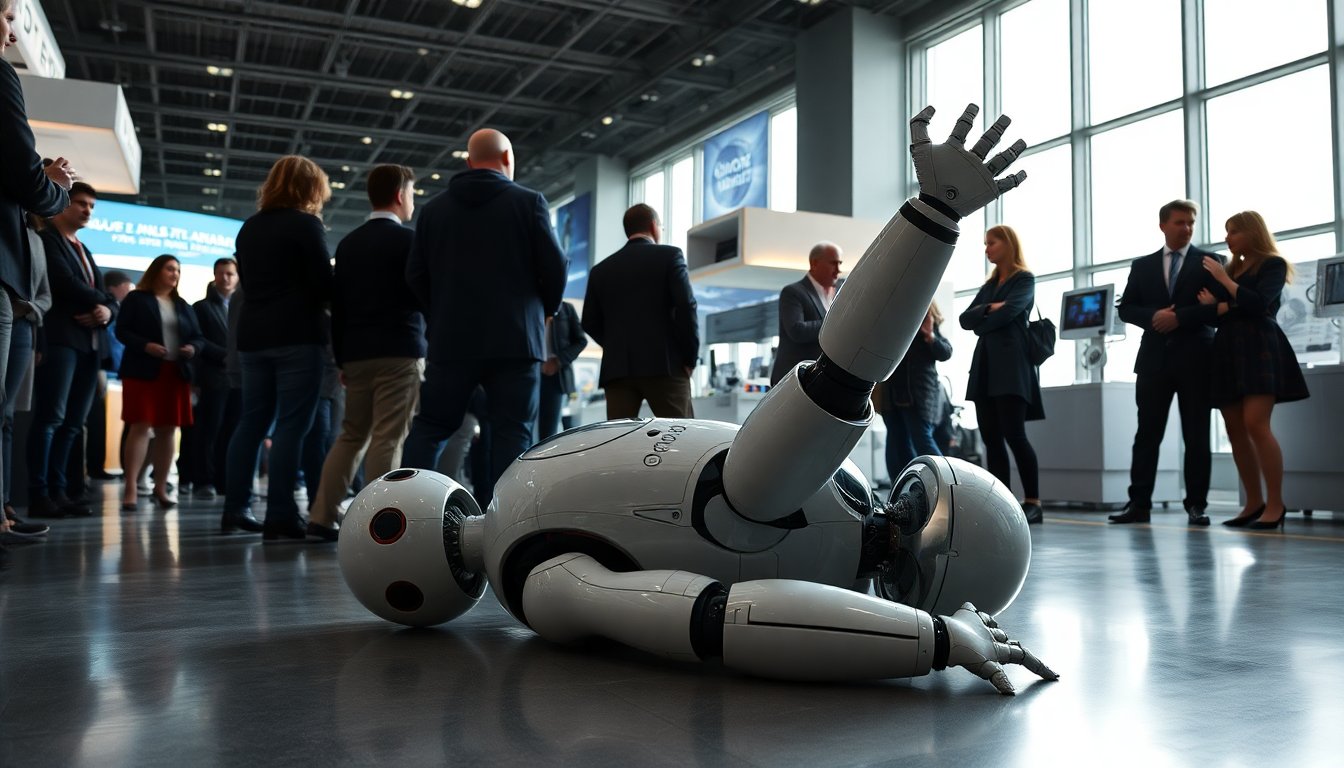
At a recent technology exhibition in Moscow, a significant moment in robotics was marred by an unexpected mishap. The humanoid robot, named AIDOL, was introduced with considerable excitement, showcasing advancements in artificial intelligence and robotics. However, during its debut presentation, AIDOL took an unfortunate tumble, drawing gasps from the audience and raising concerns about the reliability of such technology.
This unplanned fall highlighted potential flaws in AIDOL’s design and programming and served as a reminder of the challenges that accompany developing AI technology. Both enthusiasts and skeptics were quick to react, sparking conversations about the future of humanoid robots in domestic and industrial settings.
The implications of AIDOL’s debut
The incident left many pondering the implications of AIDOL’s performance on the broader field of robotics. As the public becomes increasingly aware of the potential benefits of humanoid robots, such failures could hinder trust and acceptance. The technology behind AIDOL promised to revolutionize various industries, from healthcare to entertainment, but this stumble could cast a shadow over its future.
Public perception and trust in robotics
As AIDOL’s fall made headlines, public perception of humanoid robots took center stage. Trust is a pivotal factor in adopting new technologies. If robots like AIDOL are to become commonplace in daily life, they must demonstrate reliability and safety. This moment of failure starkly reminds us how quickly public sentiment can shift, especially in an era where technology faces intense scrutiny.
Furthermore, the conversation raises important questions about the responsibility of developers and engineers. How can they ensure the robustness of their designs? What measures need to be taken to avoid such embarrassing situations in the future? Finding answers to these questions will be crucial in shaping the next generation of humanoid robots.
Future of humanoid robots post-debut
Despite the setback, it is essential to consider the future trajectory of humanoid robotics beyond AIDOL’s mishap. The field is evolving rapidly, with numerous companies investing in developing robots capable of assisting humans in various capacities. Each stumble in public demonstrations, like that of AIDOL, serves as a learning opportunity, helping engineers refine their designs and software.
Learning from failures
Failures are often the stepping stones to success in any technological domain. AIDOL’s fall may be seen as a setback, but it should also be regarded as a valuable lesson for developers. Testing and iterating on these designs in real-world scenarios will ultimately lead to more resilient systems capable of meeting user demands.
Moreover, continuous engagement of the public and stakeholders in discussions about integrating humanoid robots into society is fundamental. It opens avenues for collaboration between developers and the community, ensuring that technology aligns with societal needs and expectations.
AIDOL’s debut may not have gone as planned, but it has ignited a critical dialogue about the future of humanoid robotics and the importance of reliability and trust in emerging technologies. Moving forward, it is essential to learn from these experiences to pave the way for the successful integration of humanoid robots into our lives.


