
Table of Contents
Immigration and Customs Enforcement (ICE) is advancing a plan to sharply increase detention capacity nationwide. An internal memo dated Feb. 13, 2026 outlines steps to expand the agency’s ability to detain and process migrants. The proposal would create centralized facilities and repurpose purchased warehouses. ICE frames the expansion as necessary to support intensified enforcement and to manage individuals with final removal orders.
The document sets out a three-tiered approach. It calls for permanent, large-scale centers; shorter-term regional processing sites; and the use of existing, repurposed facilities. Agency officials say the strategy is intended to provide immediate surge capacity and a standardized, long-term infrastructure for detention and removal operations across the United States.
What the memo proposes
The memo describes each tier in operational terms. Permanent centers would house sustained detainee populations and centralize medical and legal services. Regional processing sites would offer temporary intake and screening during enforcement surges. Purchased warehouses would be converted to increase short-term holding capacity and processing throughput.
ICE officials told internal audiences the plan aims to reduce logistical variation between jurisdictions and speed removal processing. The document links expanded capacity directly to planned increases in enforcement activity and to the management of migrants with final removal orders.
From an ESG perspective, large-scale detention expansions typically prompt scrutiny over human rights, oversight mechanisms and operational sustainability. Sustainability is a business case for public agencies as well; planners must balance operational goals with legal, medical and fiscal obligations.
The memo proposes a nationwide detention network totaling 92,600 beds. Central to the plan are eight mega-centers, each designed to hold up to 10,000 detainees. The document says those facilities would be fully operational by Nov. 30, 2026. Funding is tied to congressional appropriations referenced under the informal name One Big Beautiful Bill Act. The proposal frames capacity expansion as necessary to meet projected operational needs while acknowledging legal, medical and fiscal obligations.
Regional and turnkey components
The memo also outlines smaller regional sites and turnkey options to supplement the mega-centers. It describes a mixed model that combines centrally managed large hubs with purchased or leased local facilities. The document does not provide a full inventory of regional locations or procurement timelines.
From an ESG perspective, the proposal notes potential efficiencies from consolidated operations. Sustainability is a business case, the memo asserts, arguing that larger, standardized facilities could reduce per-capita energy and logistic costs. The text adds that planners must still account for scope 1-2 emissions, life-cycle impacts and medical support capacity.
Dal punto di vista ESG, the memo highlights legal and humanitarian risks that could affect costs and timelines. It calls for compliance reviews and contingency funding tied to the appropriations process. Leading companies have understood that operational scale can cut unit costs—but the memo acknowledges scale also concentrates reputational and compliance risks.
Practical implementation steps in the document include phased activation of centers and the use of pre-negotiated contracts for construction and services. The memo recommends aligning procurement with existing federal standards and conducting localized impact assessments before site selection.
Next steps in the timeline depend on congressional action tied to the named appropriation. The document positions the mega-centers as the backbone of the system while leaving regional siting and turnkey procurement subject to further review and approvals.
The plan complements the eight mega-centers with 16 regional processing sites. Each site would hold about 1,000 to 1,500 detainees for short stays, typically three to seven days, for intake, screening and transfer. ICE would also acquire roughly 10 turnkey facilities where Enforcement and Removal Operations already operate. Agency officials present these elements as a way to streamline contracts and centralize detention operations nationwide, while internal reviews and approvals remain pending.
Logistics and enforcement implications
The network design prioritizes rapid intake and movement of detainees across tiers. Short-stay regional sites are intended to reduce travel times and concentrate processing tasks near enforcement activities. Turnkey acquisitions would reuse existing sites to shorten deployment schedules and lower upfront capital needs.
From an ESG perspective, the consolidation raises operational and reputational questions. Centralized contracts may produce cost efficiencies, but they also concentrate legal and human-rights risk. Leading companies have understood that risk concentration can create regulatory exposure and stakeholder backlash.
Operationally, the model demands robust transport, medical screening and data-sharing systems. Staffing must scale flexibly to manage high turnover at regional sites. Supply chains for food, medical care and security equipment will need consistent oversight to meet standards.
Local governments and service providers will face immediate practical choices. Some jurisdictions may welcome the jobs and contracts; others will weigh community and legal concerns. Sustainability is a business case when infrastructure choices affect long-term social license and operating costs.
Implementation will hinge on contract awards, site approvals and interagency coordination. The memo frames the structure as a nationwide model, but it leaves regional siting and turnkey procurement subject to further review and approvals.
The memo frames the nationwide model as a template for future operations and leaves regional siting and turnkey procurement subject to further review and approvals. It also reports that Immigration and Customs Enforcement has expanded its workforce, adding roughly 12,000 law enforcement personnel through surge hiring to support the plan. Agency leaders describe the expanded detention capacity as a necessary downstream resource to sustain projected spikes in arrests and enforcement activity in 2026.
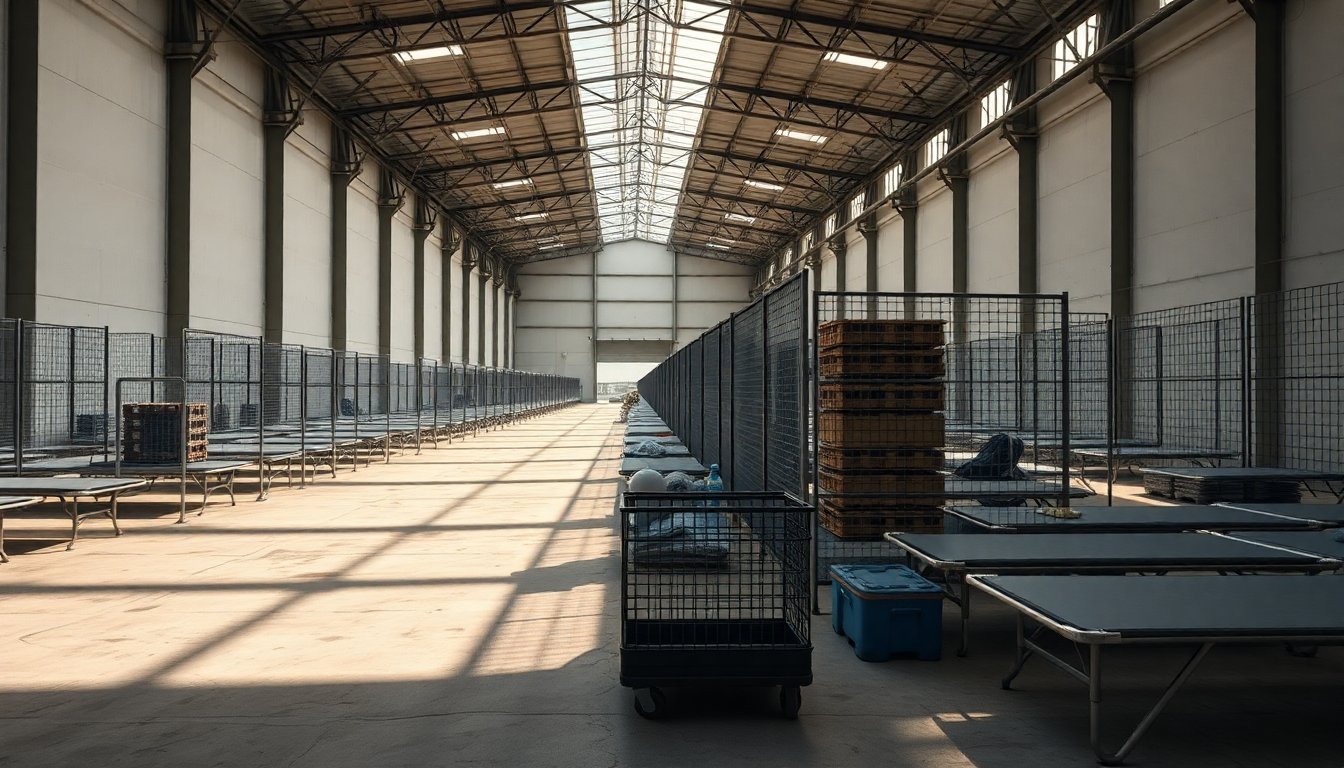
Part of the programme involves property acquisition. Reporting indicates ICE has purchased at least seven warehouses—some exceeding one million square feet—in multiple states, including Arizona, Georgia, Maryland, Pennsylvania and Texas. Other proposed purchases in additional cities were reportedly abandoned after sellers faced pressure from activists, while some deals, including one in New York, were said to be nearing completion. From an ESG perspective, the conversion of large commercial buildings into detention facilities raises questions about land use, local community impact and long-term asset repurposing.
Numbers tracked and political context
ICE officials say standardized facility design will permit scalable operations during both short-term surges and longer-term enforcement campaigns. Advocates and local officials have criticised the acquisitions and staff expansion, citing civil liberties and community disruption concerns. Congressional and municipal oversight mechanisms are monitoring purchases and contracts, and some local governments have signalled opposition to hosting converted warehouses.
Responses, oversight and operational pauses
Acting ICE Director Todd Lyons told lawmakers the agency is tracking about 1.6 million individuals in the United States with final deportation orders. He said roughly half of that population has criminal convictions. Lyons specified that those orders were issued by immigration judges within the Department of Justice, not by ICE or the Department of Homeland Security.
Lawmakers pressed agency officials on how and where enforcement actions will be carried out. Local officials in some jurisdictions have signalled opposition to hosting converted warehouses used for detention or processing. Oversight bodies are reviewing procurement records and contracts linked to those facilities, and some operations have been paused pending further review.
ICE officials identified geographic concentrations of outstanding orders. For example, Lyons cited 16,840 final orders at large in Minnesota, a state that has drawn notable resistance to enforcement operations. Agency sources said enforcement planning must balance legal mandates, resource constraints and community opposition.
From an oversight perspective, lawmakers sought clarity on case prioritization, access to counsel and coordination with local law enforcement. Congressional staff also requested detailed breakdowns of the population with final orders, including conviction status and immigration status categories.
From an ESG perspective, transparency in contracting and humane treatment during operations are emerging governance concerns. Sustainability is a business case when agencies convert private facilities for public use, affecting local economies, labor and environmental footprints. Leading companies have understood that clear accountability eases community tensions; public agencies face similar pressures.
Homeland security committees signalled they will continue hearings and document reviews. Officials said operational pauses will remain in place while auditors and legal advisers assess procurement, civil rights implications and enforcement priorities.
Implementation choices now will determine the scale and timing of future actions and the degree of congressional scrutiny the agency will face.
Lawmakers and community groups push back on proposed expansion
Implementation choices now will determine the scale and timing of future actions and the degree of congressional scrutiny the agency will face. Activists and local officials have mounted notable opposition to planned warehouse purchases and other expansion measures.
Democrats in Congress have threatened to tie funding to changes in enforcement methods and enhanced oversight. The pressure reflects concern about how expanded operations would affect communities and agency accountability.
Separately, the white house border czar said a temporary drawdown of enforcement resources in certain operations is underway. Officials described the shift as a recalibration while the agency scales up arrests and detention capacity nationwide.
From an ESG perspective, oversight and community trust shape the durability of policy choices. Leading companies have understood that transparent governance reduces operational risk; the same logic applies to public agencies facing expanded mandates.
Accountability questions cloud expansion plans
ICE officials face scrutiny over several recent use-of-force incidents and agency transparency. Agency leaders told lawmakers that multiple internal investigations are under way. They also said some body-worn camera footage is being reviewed.
Those accountability issues are shaping debate over whether the agency should expand its detention footprint. They also influence how any new facilities would meet national oversight standards.
Political and local obstacles
Key variables for the plan’s progress include congressional appropriations, local community resistance to property transactions, and ongoing legislative scrutiny. Each element can delay or reshape implementation choices.
Shifting toward centralized, large-scale detention infrastructure would change how interior immigration enforcement is resourced and executed nationwide. From an ESG perspective, governance and transparency will affect operational risk and public legitimacy.
Sustainability is a business case for institutions as well as companies: clear accountability reduces legal, financial and reputational exposure. Leading companies have understood that; public agencies expanding mandates must follow suit.
The memo marks a strategic pivot with potential nationwide effects on detention capacity and oversight. Policymakers, local authorities and oversight bodies will determine the plan’s final shape through funding decisions and regulatory review.