
Table of Contents
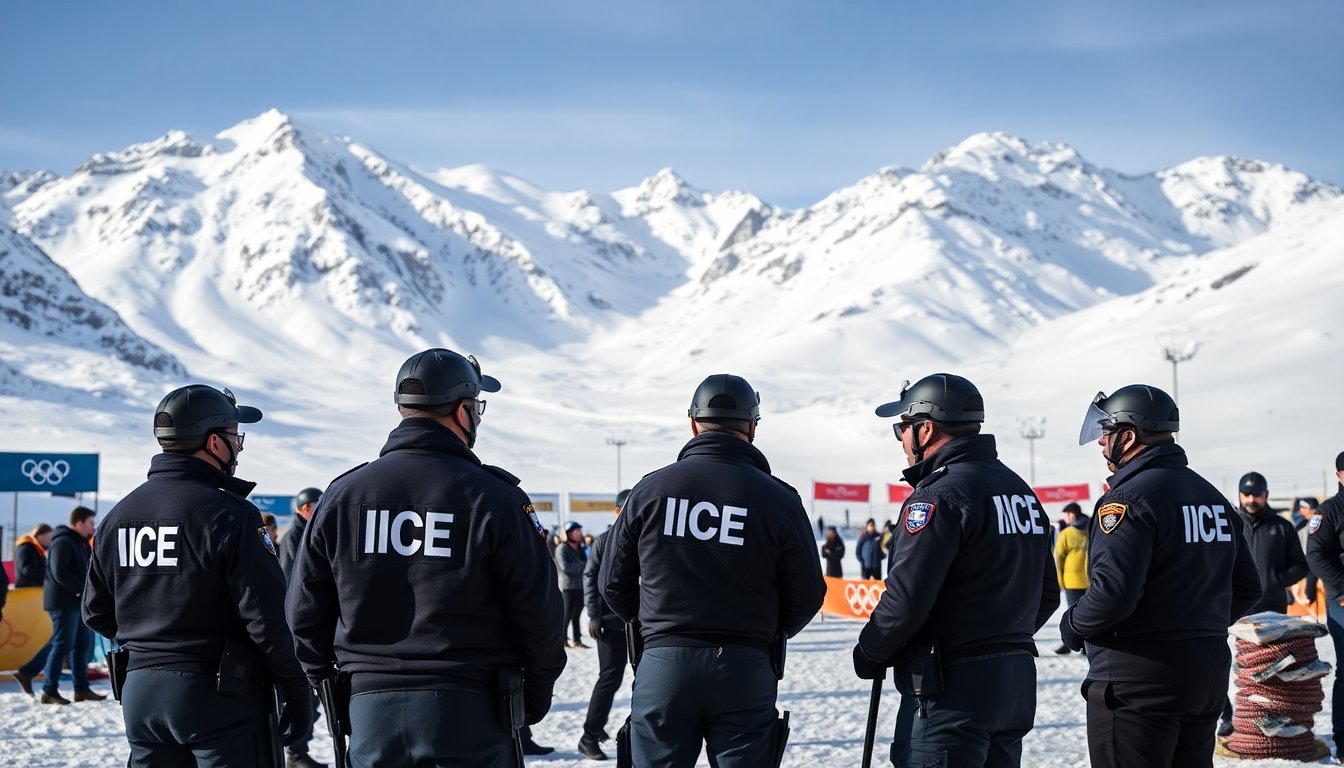
The upcomingMilan Cortina Winter Olympics, scheduled for February 6-22, 2026, will see the involvement of U.S.Immigration and Customs Enforcement(ICE) agents in a security capacity. This decision has sparked significant discussion among local officials and residents, particularly given the agency’s controversial reputation.
According to sources from the U.S. Embassy in Rome, ICE will focus on supportingdiplomatic security operationsand will not carry out any immigration enforcement activities during the games. This approach aligns with previous Olympic events where various U.S. federal agencies have provided security assistance for American diplomats.
Local reactions to ICE’s involvement
The announcement regarding ICE’s role has prompted a strong response from Milan’s Mayor,Giuseppe Sala, who has expressed his opposition. In a recent statement to RTL Radio 102, Sala emphasized, “This is a militia that kills, a militia that enters into the homes of people.” His comments reflect broader concerns among many locals about the presence of ICE agents in their city.
The mayor’s concerns
Mayor Sala’s resistance is based on the perception of ICE as acontroversial enforcement agencyknown for aggressive immigration tactics. He questioned the appropriateness of their involvement in an event aimed at promoting unity and sportsmanship, stating, “They are not aligned with our democratic way of managing security.”
This sentiment resonates within various communities in Milan, where apprehensions about ICE’s past actions, including operations leading to violent confrontations, have surfaced. A recent broadcast by RAI state TV highlighted an incident where ICE agents threatened a news crew, increasing public scrutiny of the agency’s methods.
Conflicting statements from Italian authorities
Amid the controversy, Italian authorities have issued mixed messages regarding ICE’s security role. While Interior MinisterMatteo Piantedosistated he had not received official confirmation of ICE’s deployment, he expressed a lack of concern, saying, “I don’t see what the problem would be.” This indicates a complex dynamic between U.S. security measures and local governance.
Potential implications for the Olympics
The involvement of ICE agents raises questions about the broader implications for the Olympic Games. As the event approaches, the U.S. delegation, led by Vice PresidentJD Vance, is expected to attend the opening ceremony alongside other high-profile officials. The inclusion of ICE in security operations may affect the
Furthermore, the Italian government has reiterated thatsecurity operationsduring the Olympics fall under Italian jurisdiction. Thus, while ICE may assist in certain functions, they will not operate independently or as an enforcement entity during the event. This distinction is crucial for understanding the role of U.S. agents in Italy, especially given the reservations expressed about their presence.
Looking ahead to the Winter Games
As the Winter Olympics draw closer, local sentiments and international dynamics will continue to evolve. The interplay between security, public safety, and community acceptance remains a critical aspect of the discussions surrounding ICE’s role. With protests and public demonstrations against ICE’s past actions in the U.S., the situation in Milan may become a focal point for broader discussions about immigration enforcement and human rights.
While ICE’s support role during the Milan Cortina Winter Olympics is positioned as a necessary security measure, the concerns expressed by local officials and residents underscore the complexities of hosting a global event in a politically charged environment. The coming weeks will reveal how these tensions unfold and whether they will influence the spirit of the games themselves.