
At the Milano Cortina closing gala, Ilia Malinin turned what had been a difficult Olympic week into a striking piece of theater. After an unexpected eighth-place finish—far below the expectations he carried into the Games—Malinin used the exhibition not to downplay the result but to speak through it. His routine read like a personal essay on scrutiny, anxiety and the pressure-cooker of life online.
A deliberate rethink of tone
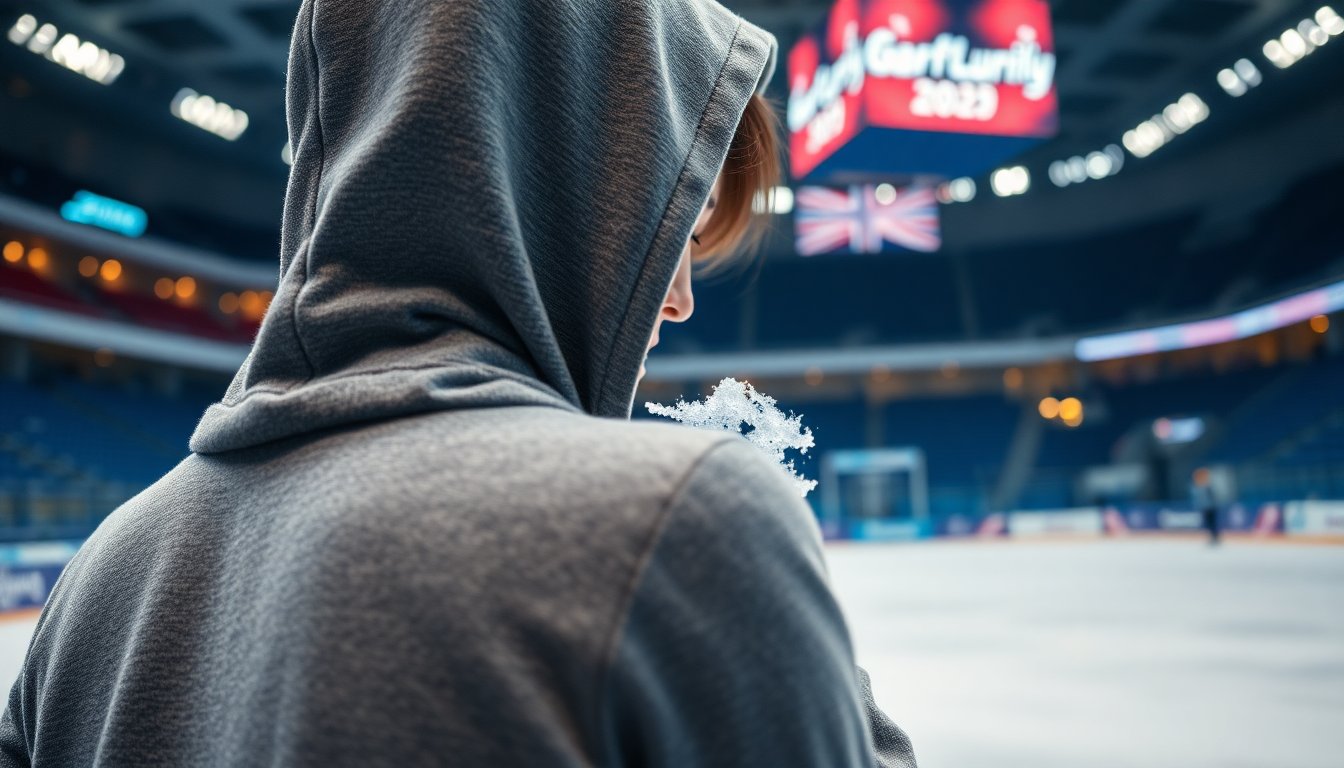
Dressed in a worn grey hoodie and frayed jeans, Malinin skated to NF’s raw, confessional track “Fear.” The staging was cinematic: he mimed scrolling and swiping, reacted to imaginary flashbulbs, and folded inward beneath his hood. Those small, repeated gestures—checking a phantom phone, flinching at phantom cameras—were simple but powerful, turning the ice into a set piece about exposure and retreat. The effect was less about spectacle and more about translation: competition reframed as storytelling.
Balancing drama with technique
The gala didn’t erase the technical inconsistencies he’d shown during the Games—there were missed elements—but it placed them against heightened dramaturgy. That contrast felt intentional. A quad landed earlier in the program reminded the audience of his caliber; later, more vulnerable moments asked them to see the athlete behind the jumps. The removing-of-headphones finale, followed by a hush in the arena, crystallized the routine’s point: this was both a display of skill and a staged rebuttal to relentless visibility.
Why exhibitions matter more now
Gala programs have quietly become a tool for narrative control. Choreographers and coaches are treating exhibitions as opportunities to process setbacks, reintroduce a skater’s personality, and reset public perception without the strictures of competition. Costume choices—softer textures and darker tones here—alongside measured pauses and breath-like stillness, helped frame the routine as an exploration of stress, recovery and resilience rather than a conventional showcase of difficulty.
Highlights across the evening
The gala wasn’t all somber reflection. Alysa Liu, fresh off winning the women’s title, brought bright, effervescent energy skating to “Stateside” by PinkPantheress and Zara Larsson; she told reporters she’d been at “peak happiness,” and the joy translated on the ice. Other champions offered contrasts: Laurence Fournier Beaudry and Guillaume Cizeron delivered a piano-driven, intimate ice dance to “Mad Rush,” while pairs champions Riku Miura and Ryuichi Kihara leaned into athleticism with Justin Timberlake’s “Can’t Stop the Feeling,” showcasing their season’s defining lifts and synchronized spins.
Moments that lingered
A few single moments punctuated the evening—a clean quad from Malinin that reaffirmed his technical range, a one-footed backflip that drew audible gasps, and subtle lighting shifts that kept focus tightly on posture and expression. One lighter highlight came when surprise men’s champion Mikhail Shaidorov skated in a Kung Fu Panda–inspired costume and was greeted by Jackie Chan on the ice, injecting humor into a night that also made room for introspection.
What this signals for the sport
Expect to see more exhibitions designed to do double duty: entertain and reframe. Coaches and federations are increasingly aware that gala programs can shape a skater’s narrative as much as podium results do. That means upcoming seasons will likely feature more pieces that foreground personal storytelling, calibrated technical risk, and presentation choices aimed at broader audiences. At the same time, the trend raises questions about athlete privacy and mental health—about how public processing helps recovery when it’s part of a supportive plan, and how it can backfire if it becomes another demand on already taxed competitors.
A larger, human story
The Milano Cortina gala showed how elite skating now sits at the intersection of sport and storytelling. Performances can be both spectacle and confession, and athletes are learning to use exhibitions to reclaim their own narratives. Malinin’s routine was a small, staged argument for humanity over headlines: a reminder that world-class ability coexists with very human struggles around expectation and exposure. Expect future galas to push this mix of artistry and advocacy further—testing how vulnerability, presentation and athleticism can be woven together to change the conversation around a season or a career.