
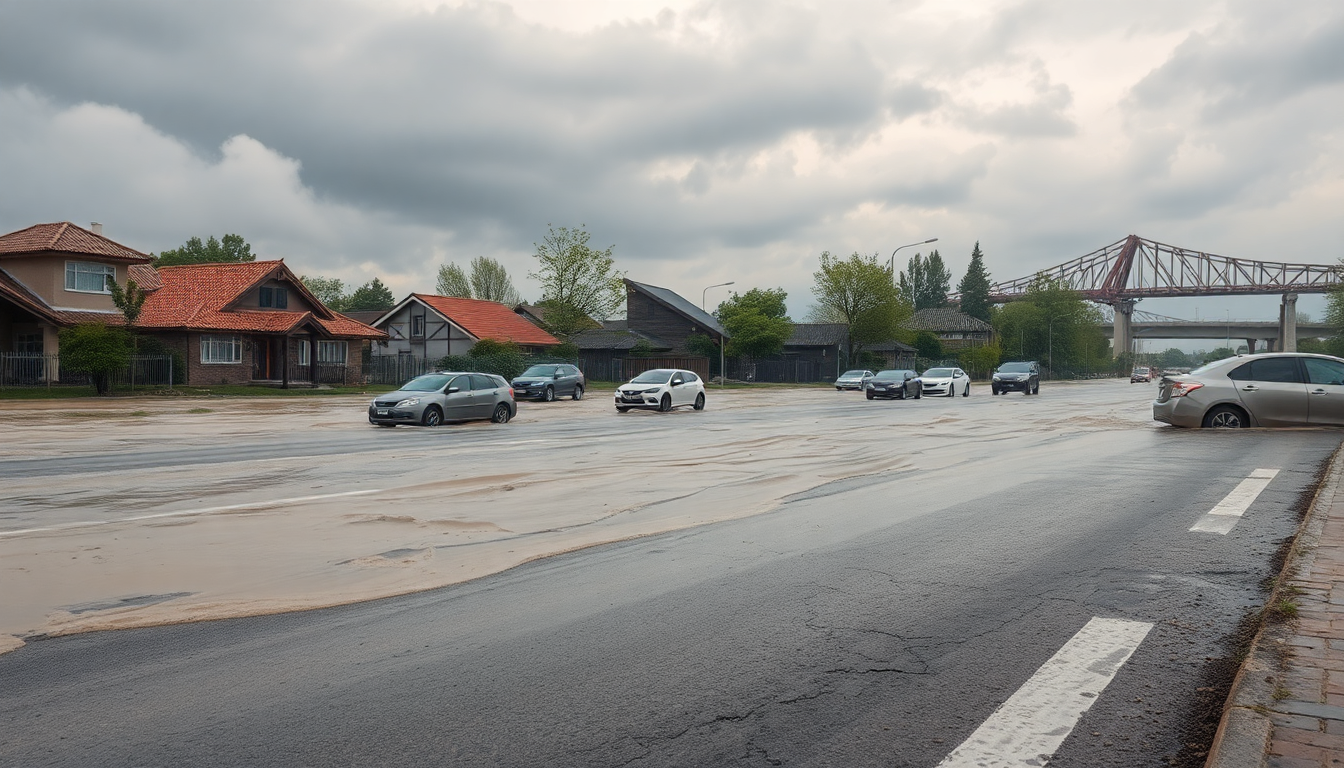
Recently, heavy downpours have wreaked havoc in northern China, leading to widespread flooding and landslides, especially in Beijing and its neighboring provinces. As the country enters its rainy season, the effects of these natural disasters are becoming more severe. Videos circulating on social media show chaotic scenes of destruction, highlighting the urgent need for effective disaster response. The government’s push for maximum flood control and disaster relief efforts underscores just how serious the situation is.
Current Conditions and Government Response
Chinese authorities are reporting significant casualties and property losses from this relentless rainfall that started over the weekend. In suburban areas of Beijing, particularly the Miyun district, residents are facing incredibly tough circumstances. The floods have forced over 3,700 people to evacuate from 149 villages, with emergency services working hard to assist those in need. Premier Li Qiang has stressed the importance of thorough search and rescue operations, urging officials to minimize casualties and ensure the safety of displaced residents.
Under the leadership of President Xi Jinping, the government has mobilized all available resources to tackle the flooding crisis. This includes rapidly deploying disaster relief supplies and organizing a systematic approach to handle emergencies as they arise. With the situation evolving quickly, the need for swift action is crucial, and officials are working tirelessly to coordinate their efforts.
Impact on Affected Regions
The northeastern region of Beijing, particularly Miyun, has been one of the hardest-hit areas. Reports show that the heavy rainfall has led to flash floods and landslides, severely disrupting daily life and causing extensive property damage. While specific casualty numbers haven’t been disclosed yet, the footage shared online paints a grim picture of the devastation, with homes submerged and infrastructure badly compromised.
Beyond the immediate humanitarian concerns, the flooding poses long-term challenges for recovery and rebuilding. Local economies might take a hit as businesses are forced to close or relocate, and restoring damaged infrastructure will require significant investment and time. For local governments, the focus now shifts to both immediate relief efforts and long-term planning to build resilience against such natural disasters in the future.
Looking Ahead: Challenges and Opportunities
As northern China navigates the aftermath of these catastrophic floods, the need for comprehensive flood management strategies becomes increasingly clear. This situation serves as a powerful reminder of the importance of being prepared, especially in regions prone to extreme weather events. The lessons learned from this disaster can inform future policies and investments aimed at mitigating the impact of similar occurrences.
Moreover, the ongoing crisis presents a unique opportunity for investment in disaster recovery and resilient infrastructure. Stakeholders, including government entities and private investors, might find value in supporting initiatives that bolster the region’s ability to withstand future flooding. As communities start to rebuild, there’s a chance to create more sustainable and resilient environments that can better face the challenges brought on by climate change.


