
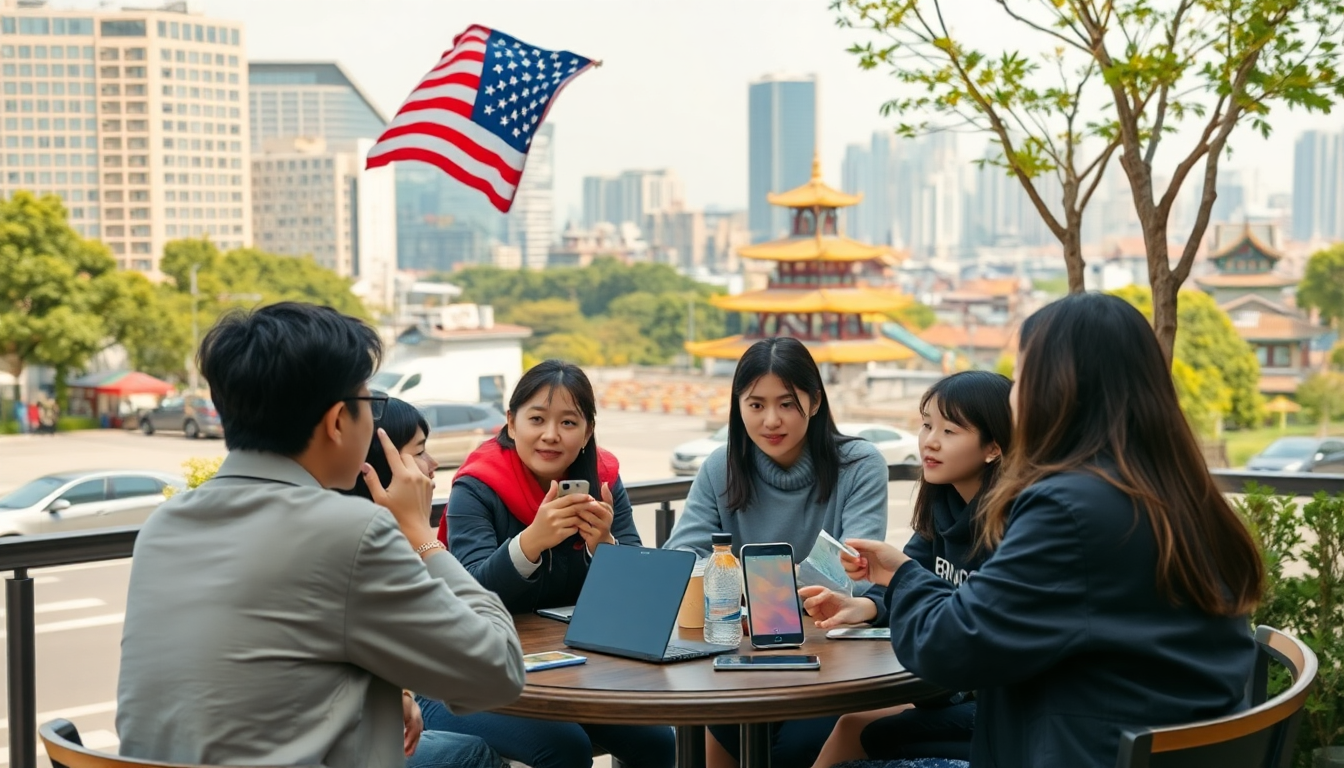
The relationship between South Korea and the United States has been a cornerstone of stability, woven together by rich cultural and economic connections. But have you noticed the subtle shifts in how South Koreans view their American ally? This change, influenced by former President Donald Trump’s ‘America First’ agenda, raises important questions about the future of this vital partnership. Let’s dive into the evolving attitudes of South Koreans towards the US and what it means for this longstanding alliance.
The Current Landscape of US-South Korea Relations
Historically, South Korea has seen the United States as an essential ally, especially given their shared concerns about North Korea. The presence of around 28,000 US troops in South Korea is a testament to this strong bond. However, recent surveys from the Pew Research Center indicate a noticeable decline in positive opinions towards the US, plummeting from 77% in 2024 to just 61%. What’s behind this shift? Many South Koreans feel a sense of betrayal, particularly in light of Trump’s tough trade policies, including the looming threat of a 25% tariff on South Korean goods.
Take Sidney Sim, for instance. Once a fan of American culture and economic might, he now views the US as a potential disruptor of geopolitical stability. This sentiment isn’t isolated; it resonates with a significant portion of the population. With South Korea’s economy heavily reliant on exports—especially electronics and automobiles—the stakes couldn’t be higher. The fear of economic disruption caused by tariffs only amplifies the anxiety surrounding US-South Korea relations.
The Economic Ramifications of Trump’s Policies
Trump’s policies have not just tested diplomatic ties; they’ve also created real economic hurdles for South Korea. Given that a large chunk of its GDP hinges on exports, the uncertainty surrounding potential tariffs has fueled resentment among the populace. Industries like automotive, steel, and semiconductors are already feeling the pinch, with reports of declining exports surfacing as early as July.
Experts like Kim Sung-hyeok from the Korean Confederation of Trade Unions highlight that smaller companies bear the brunt of this pressure, often lacking the flexibility to adapt or diversify. This situation raises legitimate concerns about job security and overall economic stability in South Korea, especially as the employment outlook dims amid rising trade tensions.
Long-term Implications for US-South Korea Relations
The changing dynamics of US-South Korea relations have sparked crucial conversations about what lies ahead. As South Korea grapples with the demands of the Trump administration, some analysts suggest a shift towards prioritizing economic interests over traditional alliances. This has led to suggestions that South Korea should explore new markets and build stronger connections with nations like those in the EU, Japan, and Canada.
As we look ahead, South Korea faces the challenge of navigating a complex geopolitical landscape. Balancing its historical ties with the US while adapting to modern trade realities will be key. As public sentiments continue to evolve, the long-term implications of these policies will likely have a profound impact on the future of US-South Korea relations, calling for a strategic approach to diplomacy and economic planning.


