
Table of Contents
In recent days, the air quality across the northwestern provinces of Canada has taken a serious hit due to raging wildfires. These fires have unleashed massive clouds of smoke, which have drifted southward, affecting the upper Midwest and northeastern United States. As a result, millions of residents are facing some of the worst air quality levels in years, sparking significant health concerns.
Current Situation and Air Quality Alerts
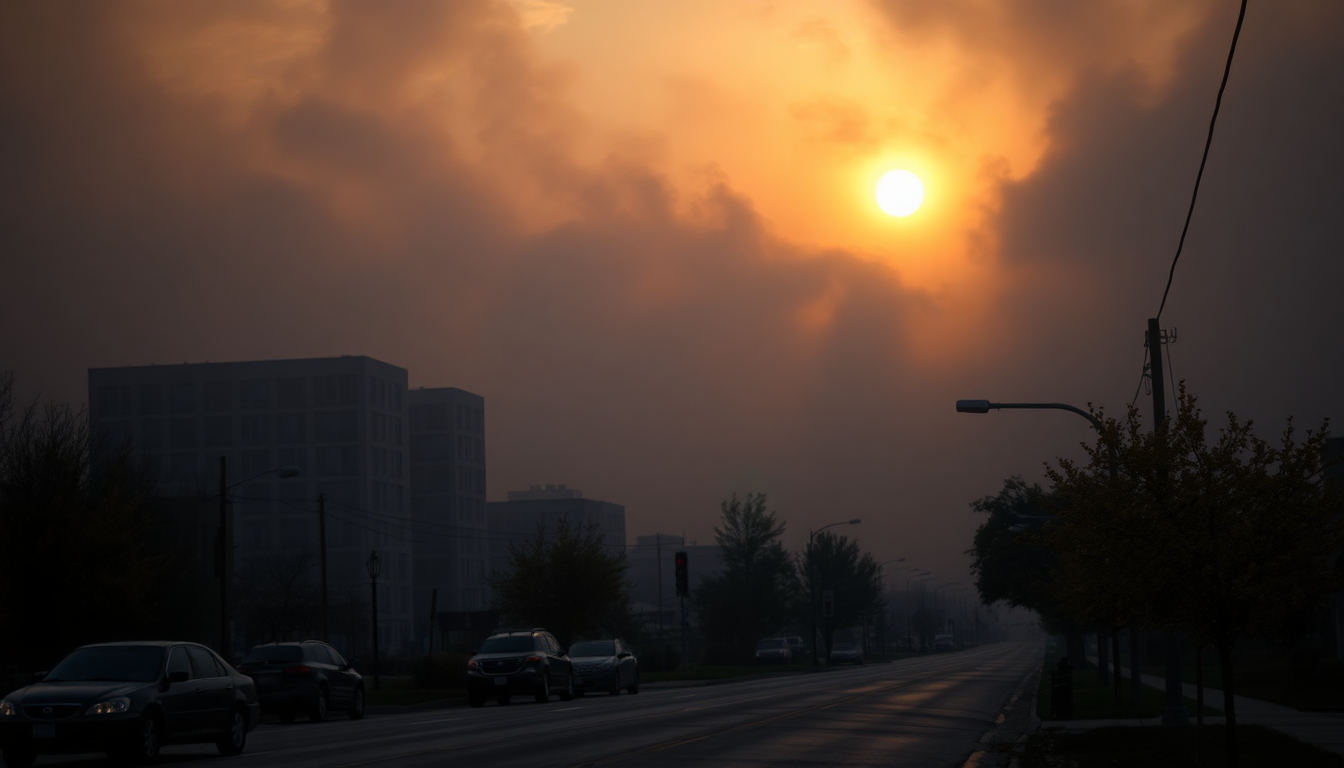
With northerly winds carrying smoke into states like Minnesota, Wisconsin, and Michigan, air quality alerts have been issued across several regions, including Iowa, Missouri, Illinois, and northern Indiana. This situation affects over 100 million Americans, especially in major urban centers like Minneapolis, Chicago, Milwaukee, and Detroit. Just picture Minneapolis early Thursday morning, shrouded in a thick haze—it’s a striking reminder of how serious this situation has become.
According to the IQAir index, Wisconsin has plunged into the “very unhealthy” category for air quality, ranking it among the worst states in the nation. Alarmingly, six of the ten most polluted cities in the country are in Wisconsin, underscoring the urgency for residents to be cautious.
By late morning, Chicago and Minneapolis found themselves among the top three cities in the world for poor air quality. The “very unhealthy” designation means that even healthy individuals could face negative effects if they spend too much time outdoors. Can you imagine stepping outside and feeling the weight of that air?
Smoke Dispersion and Future Impacts
The FOX Forecast Center reports that the smoke will continue to drift southward, impacting areas deeper into Illinois and Missouri, and even reaching parts of the interior Northeast. Alongside severely diminished air quality, this smoke haze is expected to reduce visibility in various regions, complicating daily activities for many.
But there’s a silver lining on the horizon; forecasts indicate that air quality in Minnesota and Wisconsin could return to safer levels by Saturday. However, the persistent wildfires in Saskatchewan, Alberta, and Manitoba have posed a continuous threat throughout the summer. Just last week, we saw smoke from these fires affecting air quality in the Northeast, including major cities like New York City and Boston.
Health Guidance and Recommendations
Given the current air quality crisis, residents in the affected areas are strongly advised to stay indoors as much as possible. This is especially important for those with pre-existing health conditions, the elderly, and children. Using air purifiers, avoiding strenuous outdoor activities, and keeping windows closed can help reduce exposure to harmful pollutants.
It’s vital for everyone to keep an eye on local air quality reports and follow any health advisories issued by local authorities. By staying informed and taking proactive measures, residents can better shield themselves and their families from the harmful effects of the ongoing wildfires.
Conclusion and Outlook
The wildfires in Canada serve as a stark reminder of the environmental challenges we face across North America. As smoke continues to affect air quality in the Midwest and Northeast, awareness and preparedness are more crucial than ever. Community efforts to mitigate the impacts of these wildfires will be essential for ensuring public safety and health in the coming days. Are we ready to face these challenges together?