
Table of Contents
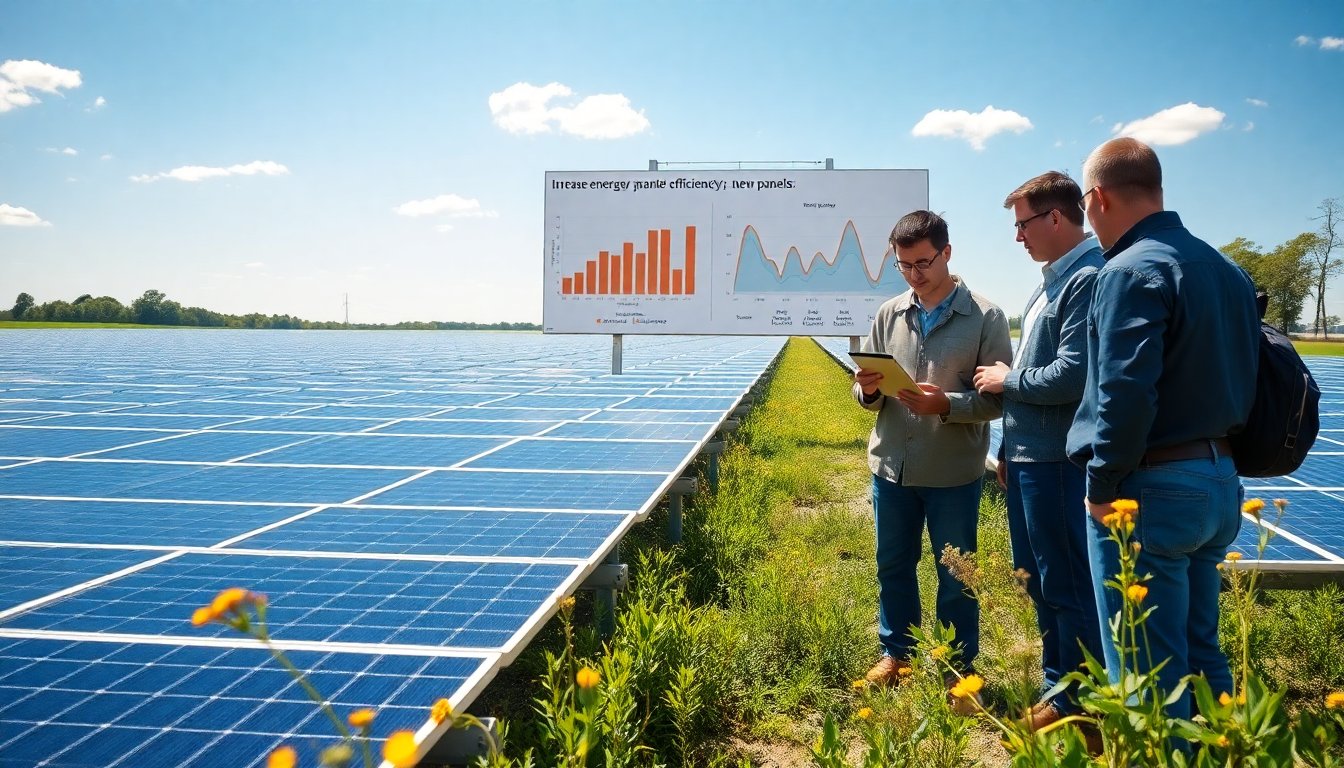
In a significant development for the renewable energy sector, researchers from the Global Institute of Renewable Energy have unveiled a new solar panel technology that vastly improves efficiency. This breakthrough, announced at the annual Renewable Energy Conference, promises to increase the energy output of solar panels by up to 30%, potentially transforming energy production worldwide.
The facts
The innovative technology utilizes a unique combination of materials that enhances light absorption and minimizes energy loss. Traditional solar panels have always faced challenges with efficiency, often converting only a fraction of sunlight into usable energy. The new panels employ a special coating that optimizes this process, allowing for greater conversion rates. This advancement not only makes solar energy more viable but also reduces the cost per watt of electricity generated.
Experts believe that this technology could lead to a paradigm shift in how solar energy is harnessed and used. By increasing the efficiency of solar panels, reliance on fossil fuels could diminish significantly. In regions with abundant sunlight, these panels could provide a reliable and cost-effective energy source.
The consequences
The implications of this breakthrough are vast. With enhanced efficiency, solar energy becomes more competitive against traditional energy sources, accelerating the transition to clean energy. Industry analysts predict that this could lead to a surge in solar panel installations globally, as homeowners and businesses seek to capitalize on the new technology.
Moreover, governments might be encouraged to invest more in solar infrastructure, offering incentives for adoption. As countries strive to meet climate goals, this technology could play a crucial role in achieving net-zero emissions targets. Furthermore, the reduction in energy costs could stimulate economic growth in sectors reliant on affordable electricity.
Next steps for commercialization
As researchers celebrate this breakthrough, the focus now shifts towards commercializing the new solar panel technology. Collaborations with major solar manufacturers are already underway to test and scale production. However, challenges remain, including the need for regulatory approvals and market readiness. The next few months will be critical for determining how quickly this technology can be integrated into existing solar energy systems.
The renewable energy sector stands on the brink of a significant transformation, with the potential to reshape energy consumption patterns significantly. As the world moves toward sustainable energy solutions, the developments from this research institute could pave the way for a greener future.