
Table of Contents
Harnessing digital health for improved patient outcomes
The healthcare sector has faced significant challenges, particularly in providing patient-centric care. An increasing number of patients require individualized treatment plans that cater to their specific needs. This shift underscores the necessity for innovative solutions that can bridge the gap between traditional healthcare practices and the evolving demands of modern patients.
Addressing the problem
The medical community is recognizing the need for personalized healthcare solutions. Patients often struggle to navigate complex treatment protocols and effectively manage their health conditions. The COVID-19 pandemic has further accelerated the demand for remote monitoring and telehealth services, emphasizing the urgent need for accessible and effective healthcare alternatives.
Proposed technological solutions
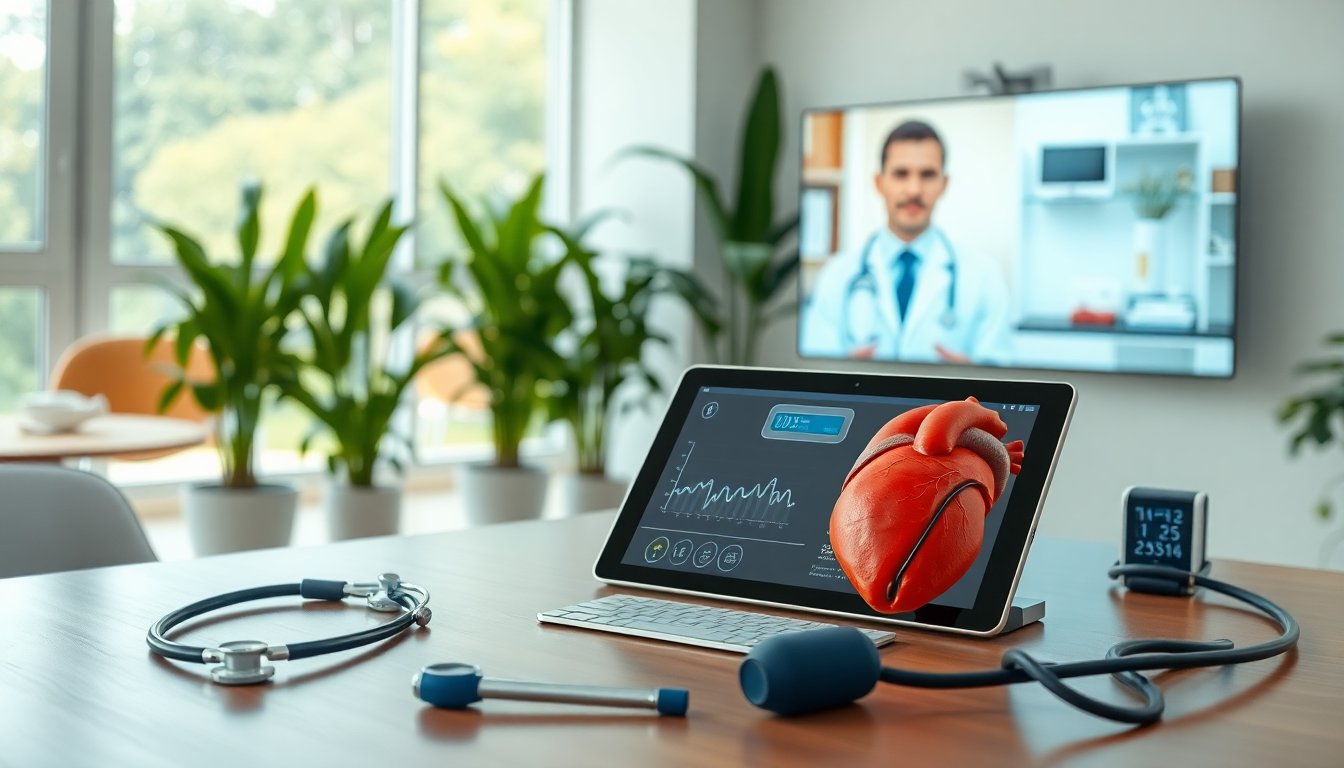
Digital health technologies, including mobile health applications, wearable devices, and telemedicine platforms, are emerging as viable solutions. These tools facilitate real-time health monitoring, enhance patient engagement, and streamline communication between patients and healthcare providers.
Scientific evidence supporting these innovations
Numerous clinical trials have demonstrated the efficacy of digital health interventions. For instance, a study published in Nature Medicine showed that patients using mobile health apps experienced a 25% reduction in hospital readmissions compared to those receiving standard care. Additionally, real-world data from the New England Journal of Medicine highlights significant improvements in patient satisfaction and adherence to treatment regimens when utilizing digital health tools.
Implications for patients and the healthcare system
From the perspective of patients, these digital health solutions empower them to take control of their health. Enhanced access to information and support enables better decision-making and promotes adherence to treatment plans. For the healthcare system, this shift could lead to reduced costs and improved health outcomes, ultimately benefiting both patients and providers.
Future prospects and developments
Looking ahead, the integration of artificial intelligence and machine learning into digital health platforms is expected to further refine personalized treatment approaches. Continued collaboration between technology companies and healthcare providers will be essential to ensure these innovations prioritize patient outcomes and adhere to ethical standards.