
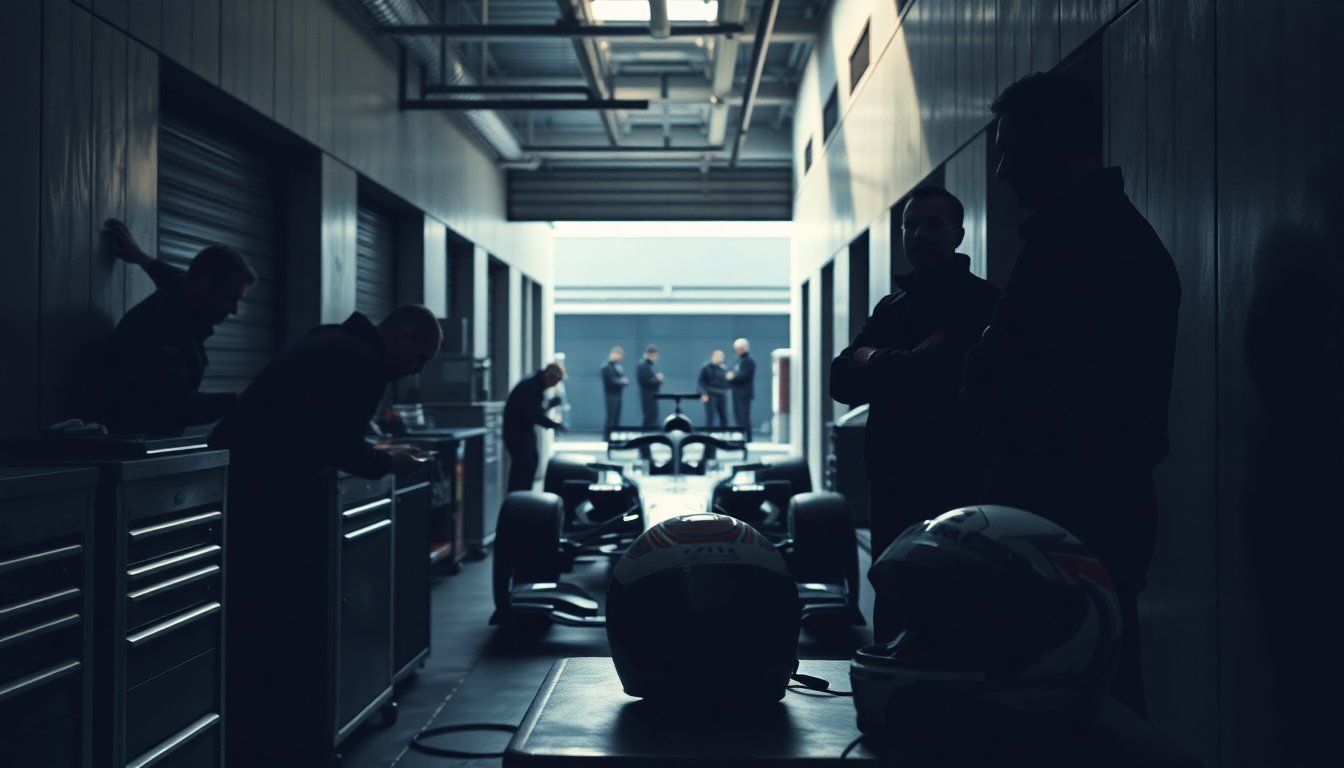
Netflix releases the eighth season of Formula 1: Drive to Survive on 27 February. The formula that made the show a global entry point to F1 is intact: stunning race footage, tight cuts between the garage and the grid, and off-camera moments that reveal drivers as people, not just athletes. It doesn’t replace live racing—rather, it amplifies the human stories that make the sport feel bigger than the circuits.
What the series does best is edit reality into a narrative. Producers cherry-pick tense team meetings, late-night strategy huddles and emotional podiums, then assemble those clips into story arcs that highlight turning points and interpersonal drama. That editorial shaping isn’t neutral: the series has widened F1’s audience and rewired how newcomers see drivers, teams and rivalries, often concentrating attention on specific episodes or clashes.
Those storytelling choices carry real-world consequences. A recurring subplot or a striking image can raise a driver’s profile, attract sponsors’ interest and shift merchandising trends. While Drive to Survive won’t change lap times or technical regulations, it can reshape market dynamics—affecting broadcast values, partner activations and the way teams present themselves to fans.
Balancing complex tech with human drama is another of the show’s tightropes. Technical details—wing updates, tyre strategies, pit sequencing—are translated into simple graphics and voiceover so non-experts can follow along. At the same time, edits compress practice sessions, qualifying and race incidents into dramatic beats, which makes for satisfying television but sometimes sacrifices chronological nuance. If you want a forensic account of what actually happened on track, official team releases and stewards’ reports remain the most reliable sources.
The camera’s intimacy is both illuminating and distorting. Close-ups, onboard audio and candid interviews expose the pressure drivers face and the habits that sustain them. But selecting the most charged moments can inflate routine disagreements into perceived feuds and turn private reactions into headline-grabbing narratives. In short: the lens reveals vulnerability, but it can also magnify it.
That magnification has contractual and commercial implications. Image rights, consent and sponsorship clauses suddenly matter in new ways—a single offhand remark captured on film can echo through endorsement deals and fan perception. For drivers, managing media exposure now ranks alongside racecraft as part of their professional toolkit.
Season eight spends notable time with Lando Norris, showing him composed in the cockpit and quietly anxious away from it. The series highlights how he deliberately carves out space for normal life—golf, trips with friends, small routines—that helps him cope with the pressures of racing. Those personal details humanize him and make his public victories feel earned. They also underline a broader point: teams and rights holders must carefully negotiate visibility, because modern drivers’ personal lives are intertwined with commercial obligations.
Finally, the show lays bare how tiny technical margins produce big competitive shifts. A small aerodynamic tweak, reliability improvement or pit-stop refinement can reorder the pecking list; Drive to Survive pairs telemetry and race metrics with narrative to show which upgrades genuinely mattered. It’s a reminder that behind every dramatic showdown are hours of engineering choices and resource trade-offs.
Think of Drive to Survive as an engaging invitation into the sport: a vividly edited primer that sparks interest, shapes perceptions and sometimes oversimplifies the chronology. For fans who crave more detail, the raw data—the telemetry, stewards’ reports and team briefings—will always be there. For everyone else, the series offers an accessible, often gripping window onto why Formula 1 captivates so many.