
Table of Contents
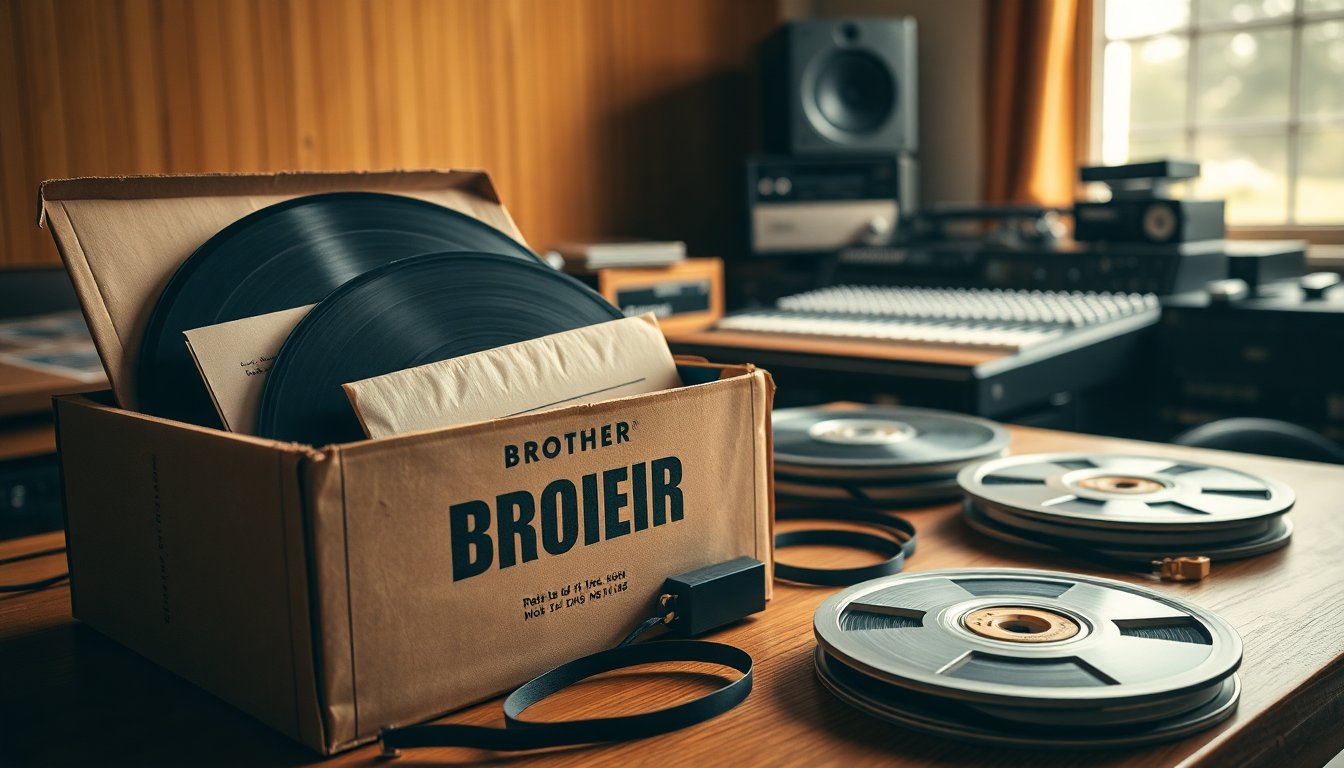
The release of We Gotta Groove: The Brother Studio Years reframes a turbulent chapter in the Beach Boys’ history by gathering material from a concentrated creative run in the mid-1970s. Packaged as a 3-CD, 3-LP collection, the set spotlights the sessions that produced 15 Big Ones, The Beach Boys Love You and the unreleased Adult/Child, bringing previously shelved mixes and outtakes to light. Fans and archivists treated the launch as an event, and the initial print sold out quickly online after the January announcement, prompting a second edition to ship on March 20 following the Feb. 13 release.
This archival package is both a document of a particular recording environment — Brother Studio in Santa Monica — and a portrait of a fluctuating creative period for Brian Wilson and his bandmates. The project’s producers and engineers described the set’s assembly publicly at a Grammy Museum panel on Feb. 12, 2026, where several original session participants joined present-day archivists and mixers to discuss the tapes, the choices that shaped the original albums, and the emotional logic behind reintroducing these records to a modern audience.
Why this era matters
The Brother Studio years mark a moment when Brian Wilson returned to a leadership role after an extended absence from frontline production. According to producers, the sessions generated roughly 40 songs in a roughly 15-month window, representing a burst of activity amid longer stretches of silence. The material collected is significant because it captures Brian as he was then: a creator with a different sonic palette and priorities than the mid-1960s Brian who made Pet Sounds and started Smile. The result is work that can feel simultaneously raw and intimately authored.
Commercially, the period was uneven. 15 Big Ones arrived with momentum but mixed results; it was followed by The Beach Boys Love You, an album embraced fiercely by a dedicated faction of listeners yet judged a commercial disappointment at the time. The contrast between contemporary marketplace reception and later critical and fan reappraisal is an important through-line for the boxed set’s curators.
Assembling the box: people and process
The Grammy Museum gathering featured several original engineers who worked in Brother Studio, including Earle Mankey and John Hanlon, alongside mastering engineer Jeff Peters. Modern contributors such as historian-producer Howie Edelson, mixing engineer James Sáez and band archivist Alan Boyd framed the restoration work and decisions behind remixing and sequencing. The conversation underlined a central tension: how to preserve the original era’s character while offering enhanced clarity and context for contemporary listeners.
Remixing, restoration and artistic choices
Archivists explained that some original mixes were altered at the time to appear more conventional for 1976, reducing certain eccentricities in Brian’s arrangements. The box rectifies some of that by presenting remixes that emphasize previously obscured details — layered backing vocals, instrumental textures and alternate arrangements. As Alan Boyd described it, the work reveals “little pieces of Eden” embedded in the sessions, elements that were hard to perceive on vinyl but clearer through modern remixing.
The story behind the songs
Part of the collection’s narrative arc is the contrast among the three projects. 15 Big Ones was conceived partly to ease Brian back into the studio with covers and a few originals; it includes the band’s hit cover that reached the top five, which Mike Love defended as a successful and playful choice. By contrast, The Beach Boys Love You stands as an idiosyncratic statement: synth-forward, intimately produced by Brian, and celebrated by a loyal subset of fans for its candidness and unusual production. The unreleased Adult/Child sits between ambition and eccentricity, a record that never reached shelves but offers context for Brian’s creative state at the time.
Band dynamics and the comeback campaign
Those present at the panel described a period when the other Beach Boys rallied around Brian. With the band behind on contractual obligations and record companies pressing for a fresh Brian Wilson-led statement, sessions took on both personal and commercial urgency. Engineers recalled Brian’s ambivalence about returning to the spotlight even as the group cultivated an environment intended to coax his creative strengths back into full expression. The boxed set documents that delicate interplay between familial support, industry expectation and individual will.
Beyond the archival value, the boxed set’s marketplace performance — an immediate sellout followed by a second pressing — illustrates how fans’ relationships to these records have evolved. What was once relegated to bargain bins now commands a premium among collectors who prize authenticity and depth of context. We Gotta Groove therefore functions as both a historical record and a modern reappraisal of a misunderstood phase in one of popular music’s most storied careers.
Upcoming live interest continues to reinforce the album-era focus: Al Jardine and the Pet Sounds Band planned a full performance of The Beach Boys Love You at the United Theater on Feb. 27, offering another form of public recognition for material that has taken decades to be fully appreciated. The boxed set, the museum program and the live shows together create a renewed chapter of engagement with the Brother Studio years — a reminder that archival curation can change how music is valued over time.