
Table of Contents
Reports indicate that Israel has been providing covert support to newly formed militias in Gaza, aimed at combating Hamas. This development underscores the complex dynamics within the region, where alliances and enmities often blur traditional conflict lines. The situation is further complicated by the geographical realities of Palestinian fighters operating in Israeli-controlled territories.
The emergence of new militias
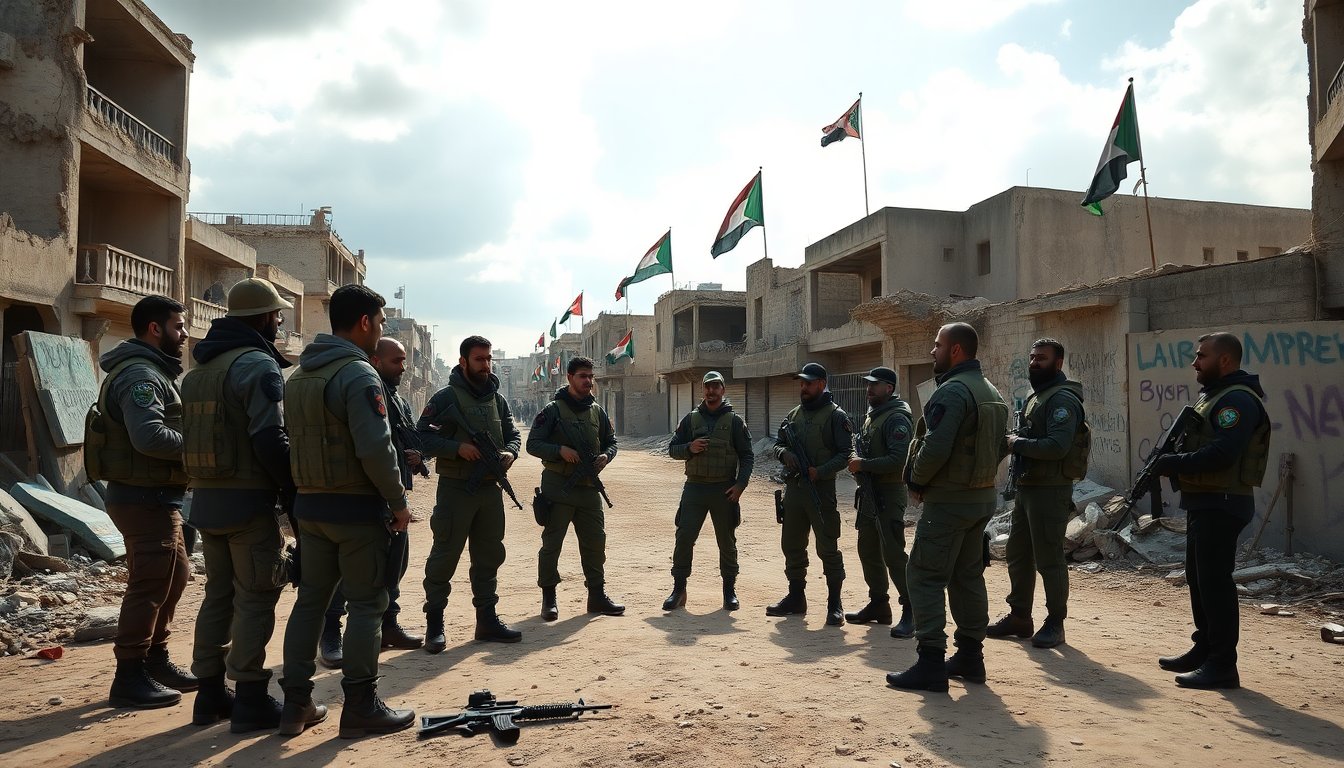
In recent months, various grassroots movements have formed among Palestinians, creating militias that challenge Hamas’s dominance. These groups, rooted in local grievances, have begun receiving tacit support from Israeli authorities. This support is characterized by a lack of military intervention against these factions, allowing them to operate freely against Hamas in areas typically off-limits to Israeli troops.
Operational zones and strategies
These militias have strategically established operations in regions where Israeli military presence is typically minimal. This choice allows them to conduct their activities without direct confrontation with Israeli forces. The fighters leverage their understanding of local terrain and political landscapes to target Hamas strongholds, creating a unique form of asymmetric warfare.
Implications of Israeli support
The implications of Israel’s support for these new militias are significant. While it may seem beneficial for Israel to weaken Hamas, this strategy could lead to unforeseen consequences. The rise of these militias could alter the balance of power within Gaza, creating a more fragmented and volatile environment.
Potential for increased conflict
As these militias gain strength, the potential for increased conflict within Gaza becomes evident. They may not only clash with Hamas but could also find themselves at odds with other factions, leading to a multi-layered conflict landscape. Israel’s involvement, albeit indirect, raises questions about the long-term stability of the region and the future of Palestinian governance.
The presence of multiple armed groups could complicate peace negotiations and hinder efforts toward a unified Palestinian front. The international community is closely monitoring the situation as developments unfold and the implications of this covert support become clearer.
Israel’s decision to bolster new militias in Gaza marks a significant shift in the Palestinian conflict landscape. While this may serve Israel’s immediate interests in weakening Hamas, the broader repercussions could reshape regional power dynamics for years to come.