
Table of Contents
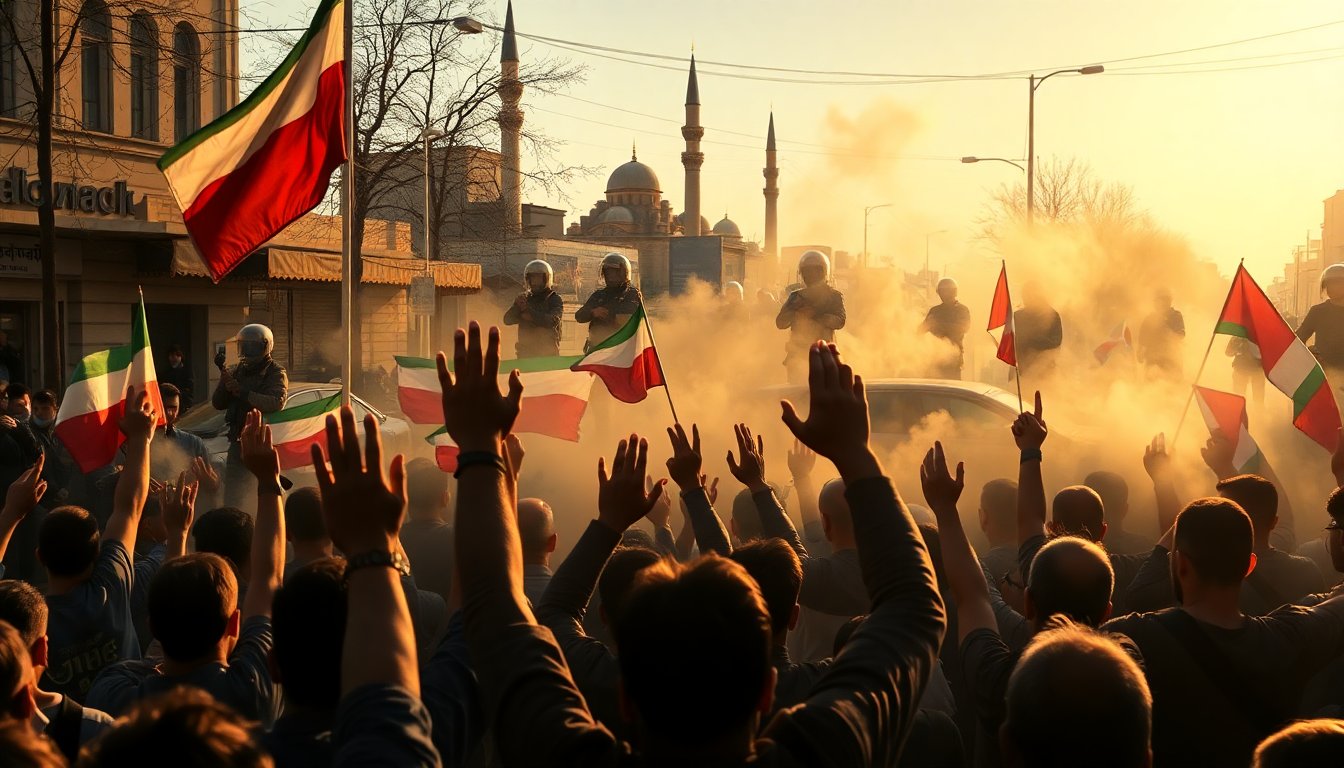
The situation in Iran has become increasingly critical as protests intensify across the country, fueled by severe economic difficulties. As unrest grows, the Iranian government has indicated a willingness to use force against demonstrators, which contrasts sharply with U.S. President Donald Trump’s earlier commitments to support peaceful protests. Recent reports confirm that the death toll has tragically reached at least 62, underscoring the urgent need for international awareness and action.
Government’s response to protests
In light of the ongoing demonstrations, Iranian Supreme Leader Ayatollah Ali Khamenei has described the protests as a threat to national security. In a recent address, he accused demonstrators of acting under foreign influence, specifically referencing support from former President Donald Trump. Khamenei stated, “They are destroying their own streets to please the president of the United States,” highlighting his opposition to foreign involvement in Iran’s internal matters. This language raises concerns regarding the possibility of a violent crackdown, as the government has labeled protesters as “terrorists” and has committed to imposing maximum penalties for acts of dissent.
Impact of internet blackouts
A nationwide internet blackout has been implemented, reflecting government concerns over potential dissent. Reports from NetBlocks reveal severe restrictions on connectivity, complicating efforts for activists to communicate and organize. This digital suppression echoes past crackdowns during unrest, restricting information flow and limiting external awareness of ongoing protests. Furthermore, attempts to connect with Iranian landlines and mobile networks from abroad have often failed, indicating a systematic approach to isolate the population.
Calls for support from exiled leaders
Reza Pahlavi, the exiled son of Iran’s last monarch, has become a prominent advocate for protesters amid ongoing unrest. He encourages citizens to persist in their demonstrations against the current regime. Pahlavi’s appeals resonate with many who seek change, as he underscores the need for international support in their fight for rights. In his outreach, he has contacted former President Donald Trump, expressing hope for intervention to aid Iranian citizens facing repression.
Pahlavi’s influence and international response
Pahlavi plays a notable role in the ongoing protests, symbolizing a link to Iran’s pre-revolutionary history. While some demonstrators express support for the former monarchy, the reasons behind these sentiments are multifaceted. Many protesters are articulating their dissatisfaction with the current regime rather than offering a straightforward endorsement of Pahlavi himself. Analysts observe that the international community, including the European Union, has started to take notice, condemning the violence directed at demonstrators and urging accountability from those in power.
The broader economic context
The ongoing protests in Iran are fundamentally linked to the country’s severe economic crisis, marked by soaring inflation and widespread poverty. The value of the Iranian currency, the rial, has experienced a significant decline, intensifying the frustrations felt by everyday citizens. As the economic situation worsens, many individuals believe that the government’s inability to meet their needs has driven them to protest. This unrest is not unprecedented; Iran has witnessed several waves of demonstrations in recent years, notably following the death of Mahsa Amini while in police custody. This incident triggered widespread outrage regarding women’s rights and government misconduct.
Future implications for Iran
Tensions are escalating in Iran, raising concerns about the potential for further violence. Former President Trump has issued a warning that any lethal force used by the Iranian regime against peaceful demonstrators will prompt decisive action from the United States. The international community is closely monitoring the situation, as the ramifications of these protests could extend beyond Iran’s borders. Should the government persist in its oppressive tactics, the risk of a more significant uprising may increase, potentially altering Iran’s political landscape.
The ongoing protests in Iran highlight profound grievances against a government seen as disconnected from its citizens’ challenges. As the situation evolves, it is vital for both domestic and international stakeholders to consider how best to respond to the calls for change emerging from the streets of Iran.