
Table of Contents
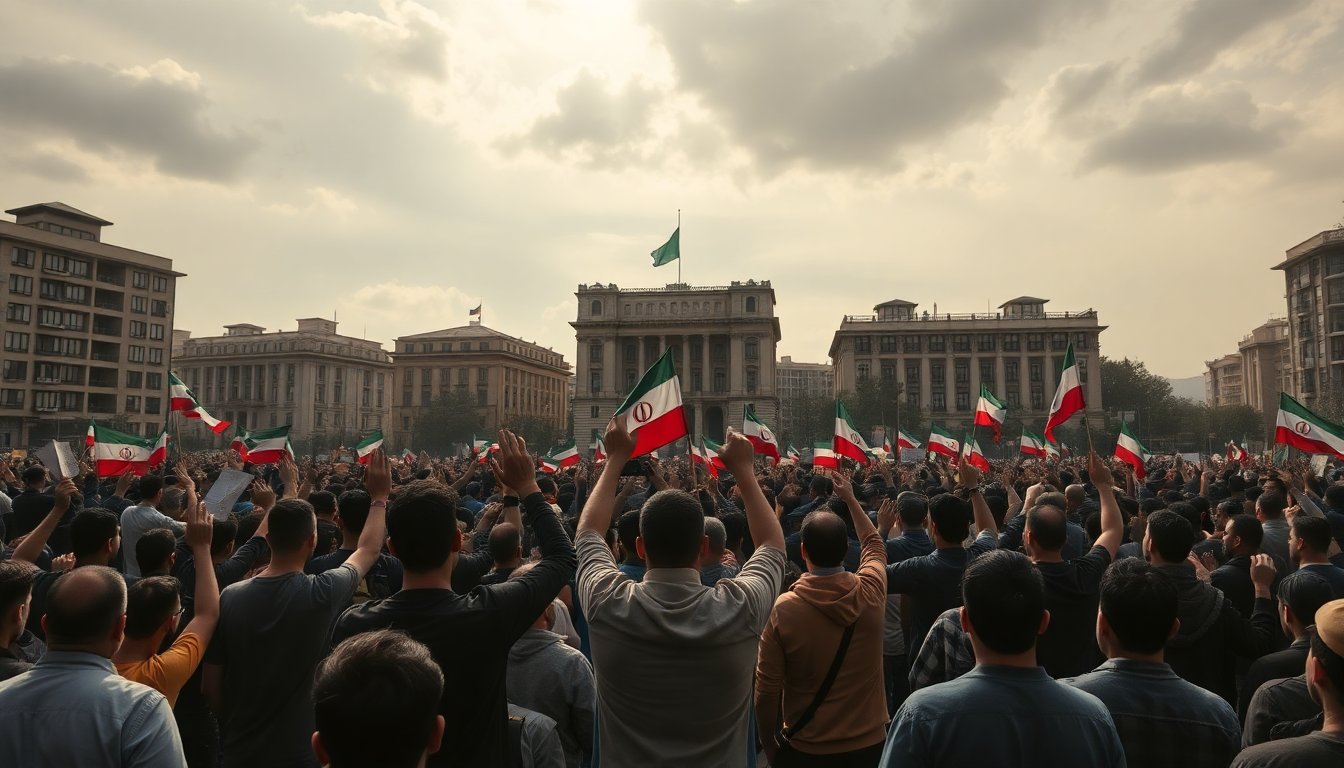
The political climate in Iran has reached a critical point as protests against the government intensify. Citizens are demanding change amidst severe economic hardship, while authorities respond with violence. A high-profile case involving Erfan Soltani, a 26-year-old man sentenced to death, underscores the risks faced by those opposing the regime.
Soltani’s sentence could set a dangerous precedent in the ongoing protests against the leadership of Supreme Leader Ayatollah Ali Khamenei. Reports indicate that the government has reacted to the unrest with excessive force, resulting in numerous fatalities among demonstrators. The prevailing atmosphere in Iran is marked by fear and desperation as the toll from the protests escalates.
The context of Soltani’s arrest
According to human rights organizations, Soltani was arrested on January 8 in Fardis, a city near Tehran. His family was informed of his death sentence shortly thereafter, with authorities indicating that it would be executed imminently. Alarmingly, there was no trial, and the charges against him remain undisclosed. This absence of due process raises significant concerns regarding justice in Iran.
Escalating violence against protesters
Witness accounts from various protests reveal that Iranian security forces have employed lethal measures against demonstrators. Reports from the Human Rights Activists News Agency indicate that the death toll has exceeded 2,000, with many individuals reportedly shot during peaceful protests. One witness described the harrowing scene, stating, ‘People fell where they stood,’ highlighting the brutal reality faced by those protesting the regime.
The response from the international community
The global response to Soltani’s case and the ongoing protests has been one of outrage. Organizations such as Iran Human Rights, based in Norway, have called for urgent intervention from the international community. They stress the necessity of stopping the violence against protesters and preventing possible mass executions. The situation has garnered attention not only for its human rights implications but also for its geopolitical consequences.
Political implications of foreign interference
The discourse surrounding the protests has been complicated by statements from international leaders, including U.S. President Donald Trump and Israeli Prime Minister Benjamin Netanyahu. Their comments have been interpreted by the Iranian government as indications of foreign interference, further justifying their crackdown on dissent. Analysts argue that such rhetoric may inadvertently strengthen the regime’s narrative that protesters are agents of foreign powers.
Political experts, including Mohamad Tavakoli-Targhi from the University of Toronto, warn that while some external support for Iranian demonstrators is essential, foreign involvement often complicates the situation. The emphasis on Iranian sovereignty remains a key topic in discussions about the future of the protests and potential regime change.
As protests persist, the Iranian government is contending with internal dissent while managing external pressures. The current situation bears similarities to historical uprisings, notably those preceding the 1979 Islamic Revolution. However, experts note a crucial distinction: there has not yet been a significant split within the government or military ranks, which historically has preceded major political changes.
A pivotal moment for Iran
The case of Erfan Soltani and the broader protests mark a significant turning point for Iran. The government’s heavy-handed response alarms human rights advocates, with the threat of mass executions looming. Furthermore, the international community’s reaction will be pivotal in shaping the future of these protests and the ongoing struggle for freedom in Iran.
As tensions escalate, the world watches closely, hoping for a resolution that honors the voices of the Iranian people while holding the regime accountable for its actions. The unfolding events in Iran not only underscore the urgent need for reform but also highlight the resilience of those who dare to resist oppression.