
Table of Contents
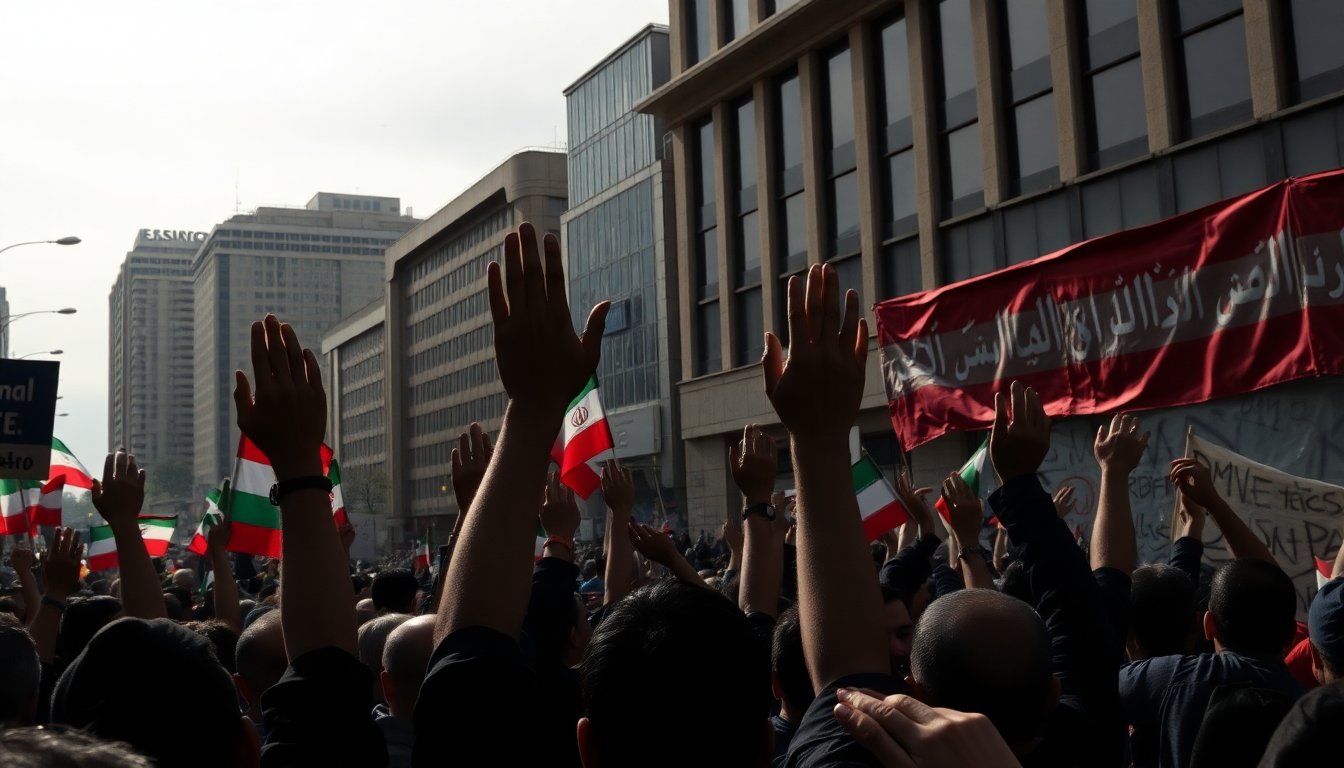
The streets of Iran are filled with protesters demanding change, expressing their dissatisfaction with the government’s actions. In response to escalating unrest, Ursula von der Leyen, the European Union’s chief, condemned the violent suppression of these protests and affirmed the legitimacy of the demonstrators’ demands.
Protests intensified starting December 28, driven by discontent over the plummeting value of the Iranian rial, challenging the Islamic Republic’s authority like never before. As the crackdown continues, the international community observes closely, with rising calls for accountability and support for the Iranian people.
Protests in Iran: A challenge to the regime
Protests have surged across Iran, especially in the capital city of Tehran, where demonstrators chant anti-government slogans. This unrest marks one of the most significant challenges to the ruling theocracy since the 1979 Islamic Revolution. Despite a brutal response from security forces, the protesters remain determined.
Government response to protests
To quell the demonstrations, Iranian authorities have implemented harsh measures, including an internet blackout that has disrupted communication and information flow. Lasting over 48 hours, the blackout raises concerns that the government seeks to hide the extent of violence against demonstrators. Reports indicate a rising death toll, with various human rights organizations estimating casualties in the hundreds.
The Iranian government has issued stern warnings, labeling protest participants as enemies of the state and threatening severe punishments, including the death penalty. Such rhetoric aims to instill fear and deter further dissent.
International reaction to the violence
The international response has been one of condemnation. Ursula von der Leyen reiterated the European Union’s support for the protesters, calling for the release of detainees and an end to the violence. The EU reflects concerns from global leaders expressing solidarity with the Iranian people in their quest for freedom and justice.
Statements from prominent figures
U.S. President Donald Trump has also commented, stating that the United States stands ready to assist the protesters in their fight against oppression. His remarks signal a willingness to support movements challenging authoritarian regimes worldwide. Trump emphasized the potential for change in Iran, declaring, “The USA stands ready to help!” This aligns with sentiments from many in the international community eager to see a shift toward democracy in Iran.
Additionally, Prince Reza Pahlavi, son of Iran’s former monarch, has called for sustained protests, urging citizens to target key locations within cities to express their demands more effectively. His advocacy for peaceful resistance underscores the importance of strategic action amid governmental repression.
The future of protests and the Iranian government
As the protests enter their second week, the Iranian regime’s strategy appears increasingly aggressive. Supreme Leader Ayatollah Ali Khamenei has blamed foreign influence, particularly the United States, for inciting unrest while reaffirming his government’s commitment to maintain order at any cost.
Despite the threats and violence, the protesters’ spirit remains resilient. Demonstrators have been seen waving flags from the pre-revolution era, symbolizing a desire for a return to a different time in Iranian history. This contrast of past and present reflects a deep-rooted yearning for change among the populace.
Protests intensified starting December 28, driven by discontent over the plummeting value of the Iranian rial, challenging the Islamic Republic’s authority like never before. As the crackdown continues, the international community observes closely, with rising calls for accountability and support for the Iranian people.0