
Table of Contents
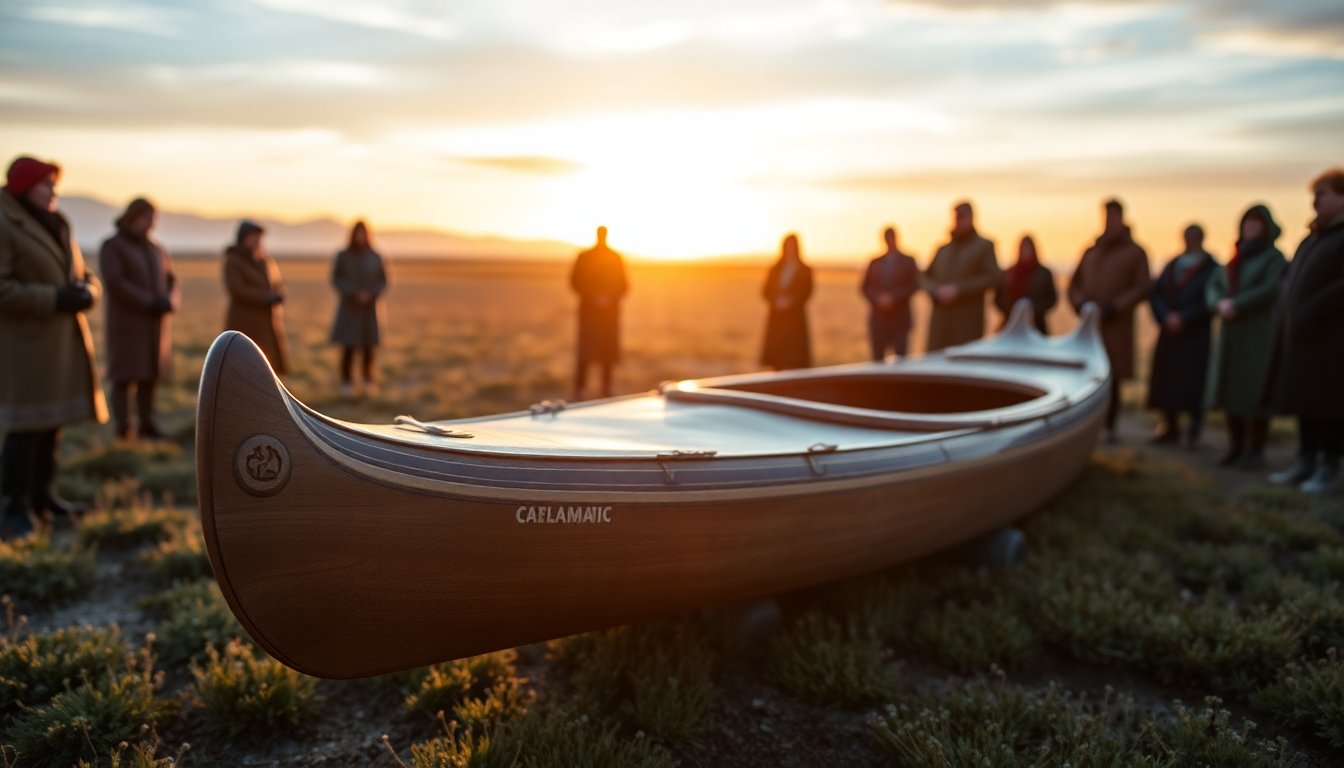
After being housed in the Vatican Museums for a century, a remarkable Inuvialuit kayak is making its way back to Canada. This event signifies not just the return of a cultural artifact, but it also embodies the broader efforts towards reconciliation with Indigenous communities. The kayak, which is unique to the Inuvialuit culture, has a distinctive design that marks its origin in the western Arctic.
Darrell Nasogaluak, a prominent figure from the Tuktoyaktuk area in the Northwest Territories, recognizes the kayak’s significance. “It’s identifiable by its unique features, especially the horn-like tips at the bow and stern,” he remarked while viewing the kayak’s image on a computer screen. Such characteristics made it easy to discern an Inuvialuit kayak from afar, a point of pride before the establishment of settlements over a century ago.
The journey of repatriation
This kayak, once a vital tool for hunting beluga whales, is now part of a larger initiative. In total, 62 sacred items belonging to Inuit, First Nations, and Métis communities are being returned from the Vatican’s extensive collection. This repatriation was the result of lengthy negotiations involving various organizations, including the Inuvialuit Regional Corporation (IRC) and the Canadian Council of Catholic Bishops.
Historic negotiations
The discussions to reclaim the kayak began in earnest in, coinciding with a historic visit by Indigenous leaders to the Vatican. During this visit, they not only met with Pope Francis but also toured the Vatican Museum, where the kayak was on display. Duane Smith, the chair and CEO of the IRC, emphasized the importance of this return, stating, “It represents a part of our history and culture, and it is essential for understanding the Inuvialuit identity within Canada.”
Initially focused solely on the kayak, the negotiations expanded to include numerous other cultural artifacts. The Vatican’s agreement also encompassed 60 additional items, with the inclusion of a Métis object as insisted upon by the CCCB. This collaborative effort highlights a significant step towards acknowledging past injustices faced by Indigenous peoples.
Historical context of the kayak
The kayak’s journey to the Vatican is shrouded in mystery. Originally sent there by Roman Catholic missionaries in 1925, it was part of a larger collection of over 100,000 items intended for a cultural exhibition. However, the circumstances surrounding its acquisition—whether as a gift or something taken—remain unclear. Smith speculates that such a crucial tool for survival would rarely be given away, especially considering the traditional practices of burial.
In Inuvialuit culture, tools and hunting equipment were often buried with individuals to be used in the afterlife. This practice raises questions about how the kayak and similar artifacts ended up in the Vatican’s collection.
Significance of the kayak in Inuvialuit culture
The craftsmanship of the kayak is a testament to the skills passed down through generations. Nasogaluak, who learned the art from his grandfather, now shares this knowledge with the youth in his community. He explains that the kayaks were tailored to fit individual hunters, ensuring optimal performance while hunting in the challenging Arctic waters.
Constructed from materials like driftwood, baleen, and sealskin, each kayak was a masterpiece of functionality and design. Nasogaluak reminisces about the days when the Mackenzie Delta was filled with kayaks, with stories of up to 250 being in use simultaneously before a devastating pandemic affected the community.
Looking ahead: A new chapter for Inuvialuit culture
The upcoming repatriation of the kayak is not just about reclaiming an artifact; it is also about fostering a renewed interest in traditional practices. Nasogaluak expresses excitement about the kayak’s return, envisioning it as a potential catalyst for revitalizing kayak-building skills among the younger generation. “Having this kayak back could inspire more people to engage with our traditions,” he noted.
Once the artifacts arrive in Montreal, they will be examined at the Canadian Museum of History, where Indigenous leaders will assess their final destinations. While the kayak will not return immediately to the Inuvialuit region due to the absence of appropriate facilities, plans are in motion to ensure it is preserved and accessible to those with the knowledge and skills to appreciate its cultural significance.
In conclusion, the return of the Inuvialuit kayak marks a pivotal moment in the journey towards reconciliation and cultural revival. As communities come together to celebrate this historic event, the hope is that it will inspire a renewed connection to heritage and traditions.