
Table of Contents
The region has seen a renewed wave of confrontation as Israel and Iran reported reciprocal military actions, while statements from the United States suggested that negotiations to wind down the conflict were in progress. Eyewitness accounts and official briefings describe strikes that touched both military and civilian sites, prompting alarms across neighboring states. At the same time, Tehran publicly rejected any direct meetings with Washington, creating a gap between claims from different capitals. The mix of battlefield developments and diplomatic assertions has complicated efforts to form a clear narrative about whether violence is ebbing or escalating.
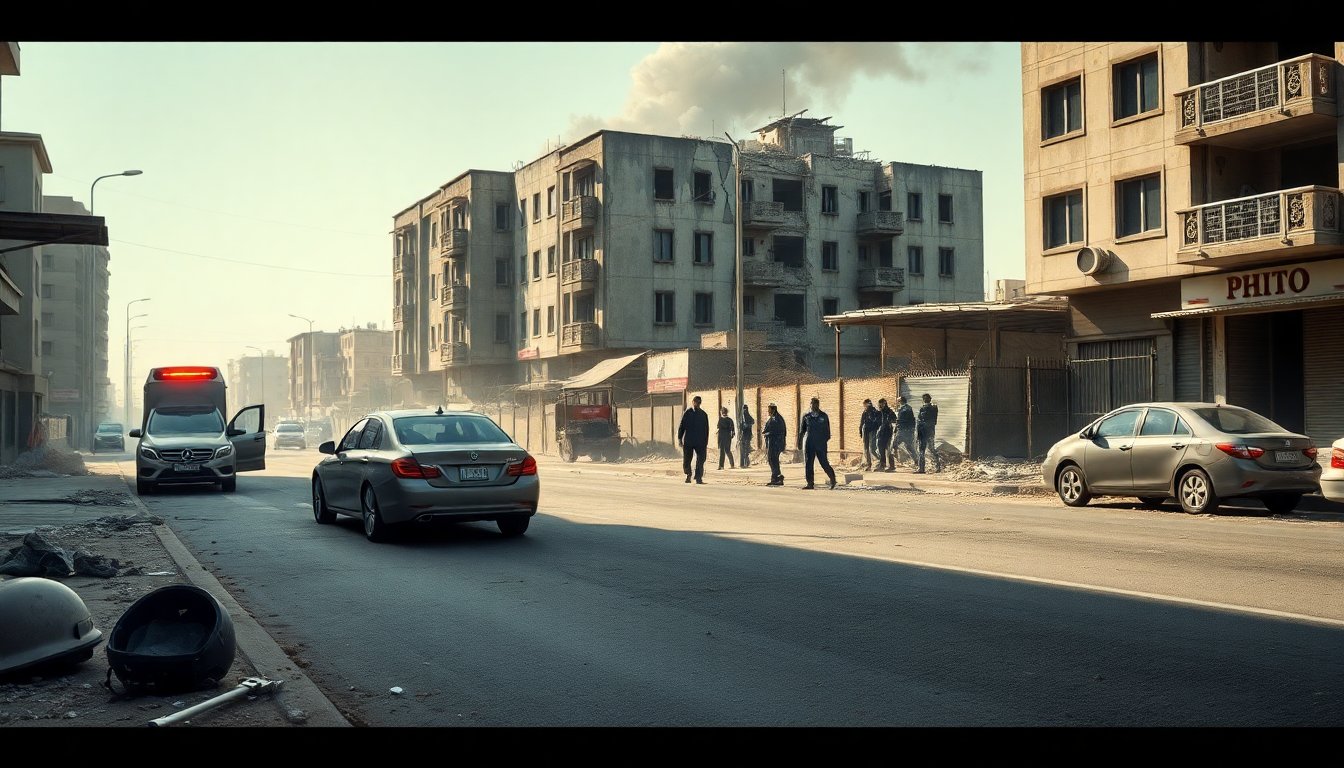
Within this unsettled atmosphere, media outlets and regional monitors documented explosions and damage in Tehran including harm to noncombatant locations such as a radio station and a hospital, underscoring the human cost of the confrontation. Meanwhile, Israeli sources and partners in the Gulf characterized some of the Iranian responses as coordinated attacks, expanding the front of concern beyond the immediate Israel-Iran axis. These events have triggered a flurry of military repositioning and international statements declaring both alarm and the need for de-escalation, all while information remains contested and fragmentary.
Sequence of strikes and reported targets
Authorities and independent observers have described a range of actions: aerial bombardments, missile salvos and drone strikes affecting installations inside Iran and military positions across the wider region. Reports emphasized that southern Iranian gas facilities were struck in operations described by some analysts as unusually complex, involving warplanes traveling long distances into areas where air defense systems remain active. That characterization highlighted both tactical daring and increased risk, since penetrating well-defended airspace raises the potential for escalatory mistakes. At the same time, domestic reports from Iran cataloged civilian fatalities and infrastructure damage, intensifying international concern about the conflict’s expansion.
Complementing these accounts, other items pointed to cross-border actions launched from neighboring territories. Syrian military statements said several bases were hit by missiles fired from Iraqi soil, and watchdogs reported drone activity near U.S. facilities in northeastern Syria. These incidents illustrate a dispersed battlefield in which different actors and proxies can project power across borders, blurring lines between direct state-on-state engagement and indirect confrontation via allied forces and local groups.
Regional and military movements
The operational picture has included not only strikes but also visible repositioning of forces. Western navies and air units have increased patrols and defensive sorties across the eastern Mediterranean and Gulf approaches, citing the need to protect bases and commercial lanes. A British destroyer was reported to have moved into the eastern Mediterranean to integrate with local defenses, while allied air patrols flew missions over several regional countries. These deployments reflect an effort by coalition partners to reassure local bases and allies, and to deter further attacks on vital nodes such as airfields and shipping routes.
Naval and air assets on alert
U.S. officials told media that one amphibious group will soon augment regional command posts with thousands of additional personnel, including a contingent of Marines embarked on amphibious ships. The Pentagon has signaled a broader logistical shift to reinforce deterrence near strategic chokepoints like the Strait of Hormuz, which has been a recurring flashpoint. Military planners emphasize that such moves serve both to protect freedom of navigation and to provide commanders with options should higher-level political decisions require a rapid response. Observers caution, however, that force concentrations can sometimes raise tensions even as they aim to prevent miscalculation.
Diplomacy, denials and the path forward
Amid the kinetic activity, Washington publicly described talks intended to end the conflict as ongoing, while Iranian officials denied engaging in direct negotiations with the U.S. The divergence between claims underscores a diplomatic challenge: statements by leaders or intermediaries can signal intent, but without transparent channels and mutual confirmation, they risk fueling confusion. Analysts note that back-channel contacts, third-party intermediaries and phased proposals are common tools for managing escalation, yet any credible plan typically depends on verifiable commitments such as guarantees on naval access or constraints on specific military capabilities.
What officials say
Israeli security outlets portrayed some strikes as carefully coordinated operations that required clearing allied airspace in advance, citing prior deconfliction to allow strikes on targets previously avoided. At the same time, statements from Tehran emphasized resilience and the promise of retaliatory measures if further infrastructure is targeted. With public messages, troop movements and battlefield events all occurring nearly simultaneously, the immediate future appears uncertain: policymakers and military planners face the task of aligning rhetoric with verifiable steps while trying to prevent local clashes from spiraling into wider war. The coming days will likely reveal whether diplomatic channels can translate competing claims into a stable cessation of major hostilities.