
Table of Contents
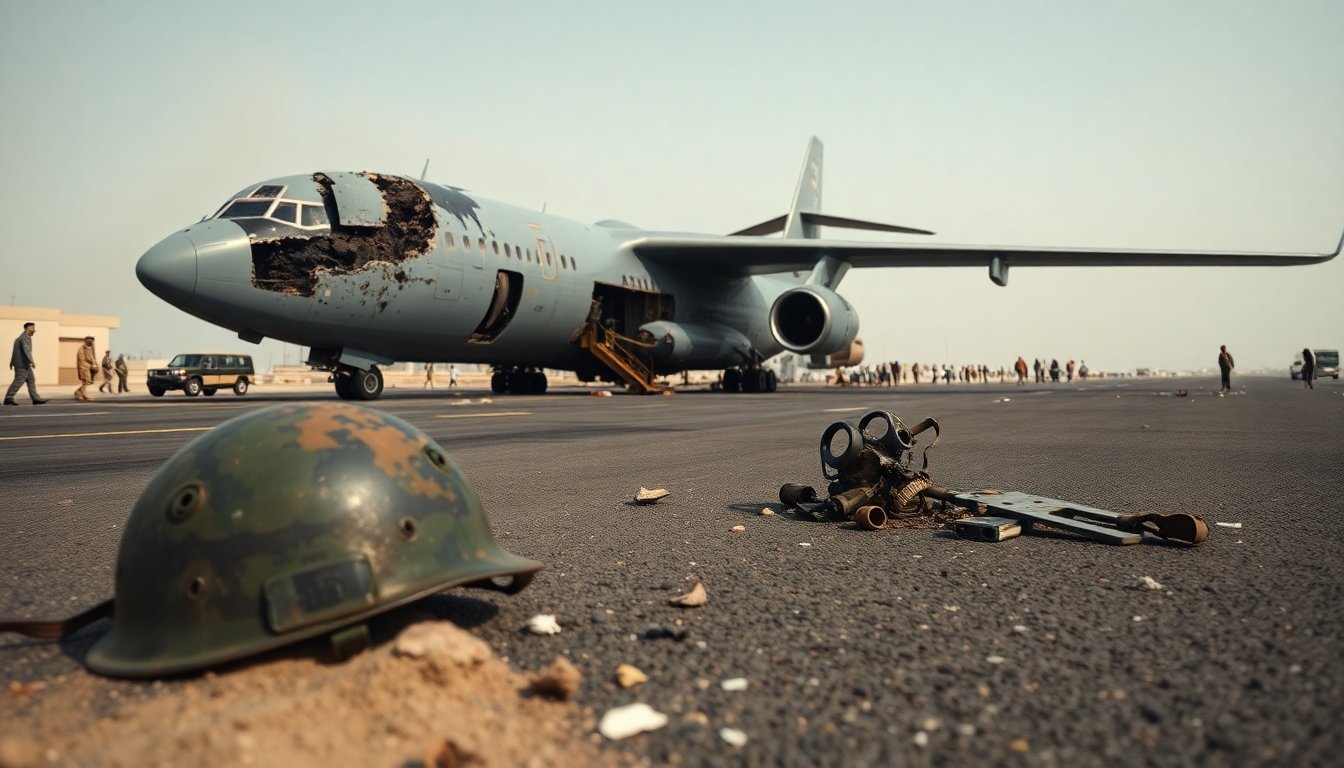
The latest blow in the widening confrontation reached U.S. forces stationed at Prince Sultan Air Base in Saudi Arabia, where a missile strike wounded at least 10 U.S. troops and damaged at least two Air Force refueling aircraft. Reports published on 28/03/2026 confirmed the casualties and equipment damage, highlighting that weeks of reciprocal strikes have not neutralized the threat posed by Iranian forces. The incident is a reminder that military operations have consequences for personnel and logistics far from the principal battlefields.
Officials told news outlets that among the wounded were service members in varying condition, with two described as seriously injured. The background toll in the campaign elsewhere has remained notable — U.S. combat deaths have been reported at 13 over recent weeks, according to coverage on 27/03/2026 — even as leaders offer differing assessments of battlefield progress. The combined human and material costs feed into strategic calculations in Washington and allied capitals.
The strike and immediate operational effects
The attack on the Saudi base caused visible disruption to air operations because the damaged platforms perform air refueling — the in-flight transfer of fuel that extends the range and endurance of combat and support aircraft. Losing refueling capability temporarily strains sortie rates and mission planning, forcing commanders to reallocate scarce assets. Beyond the wounded, the loss of even a small number of tankers can ripple across a theater where logistics and timing are already tight.
Strategic and regional consequences
Beyond direct damage, the strike highlights two longer-term strategic dynamics. First, the conflict has consumed valuable munitions stockpiles: public reporting has drawn attention to the depletion of high-cost systems such as Tomahawk missiles, which are expensive to replace and crucial for precise long-range strikes. Second, Iran has moved to exert control over the Strait of Hormuz, imposing de facto restrictions on shipping and raising insurance and fuel costs globally. Tehran has also reported strikes on nuclear-related sites, naming the Shahid Khondab Heavy Water Complex in Arak and the Ardakan yellowcake production plant in Yazd Province, according to Iran’s Atomic Energy Organization; authorities said there were no immediate casualties or contamination risks.
Economic ripple effects
Markets have reacted to the uncertainty: oil prices climbed amid shipping disruptions and investor anxiety, while U.S. equities have shown volatility, with coverage noting a protracted stretch of losses on Wall Street as traders weighed the escalating conflict. The combination of supply concerns and military expenditures adds pressure to governments and companies in the region and beyond.
Political messaging and public perception
The attack arrived amid contrasting tones from U.S. leadership. On 27/03/2026 the president publicly asserted that the campaign was going well and suggested victory was imminent, even as critics and many citizens expressed concern about the war’s scope and cost. That upbeat messaging — at times framed with casual anecdotes about domestic matters — has clashed with reports of continued Iranian strikes and the tangible injuries suffered by U.S. personnel. Polling cited in news coverage indicates a sizable portion of the public believes the military campaign has gone too far, complicating political support for an open-ended engagement.
Diplomatic posture and next steps
Diplomatically, the episode reinforces the limits of a solely military approach. Iran’s actions — including reported enforcement in the Strait and attacks on multiple facilities — suggest a willingness to sustain pressure even after weeks of strikes against it. U.S. and allied planners must weigh force protection, logistics, and the diplomatic avenues that could reduce risks to personnel and regional commerce. In the near term, commanders will likely boost base defenses and reassess force allocations while policymakers debate whether to intensify military action, seek negotiated pauses, or pursue other instruments of influence.
What to watch
Observers should monitor several indicators: official casualty updates from U.S. forces and allied hosts, assessments of damage to air refueling capacity, Iranian activity in the Strait of Hormuz, and statements from Tehran and Washington about negotiations or escalation. The interplay between battlefield events and political messaging will shape both immediate responses and longer-term strategy as the crisis continues to unfold.