
Table of Contents
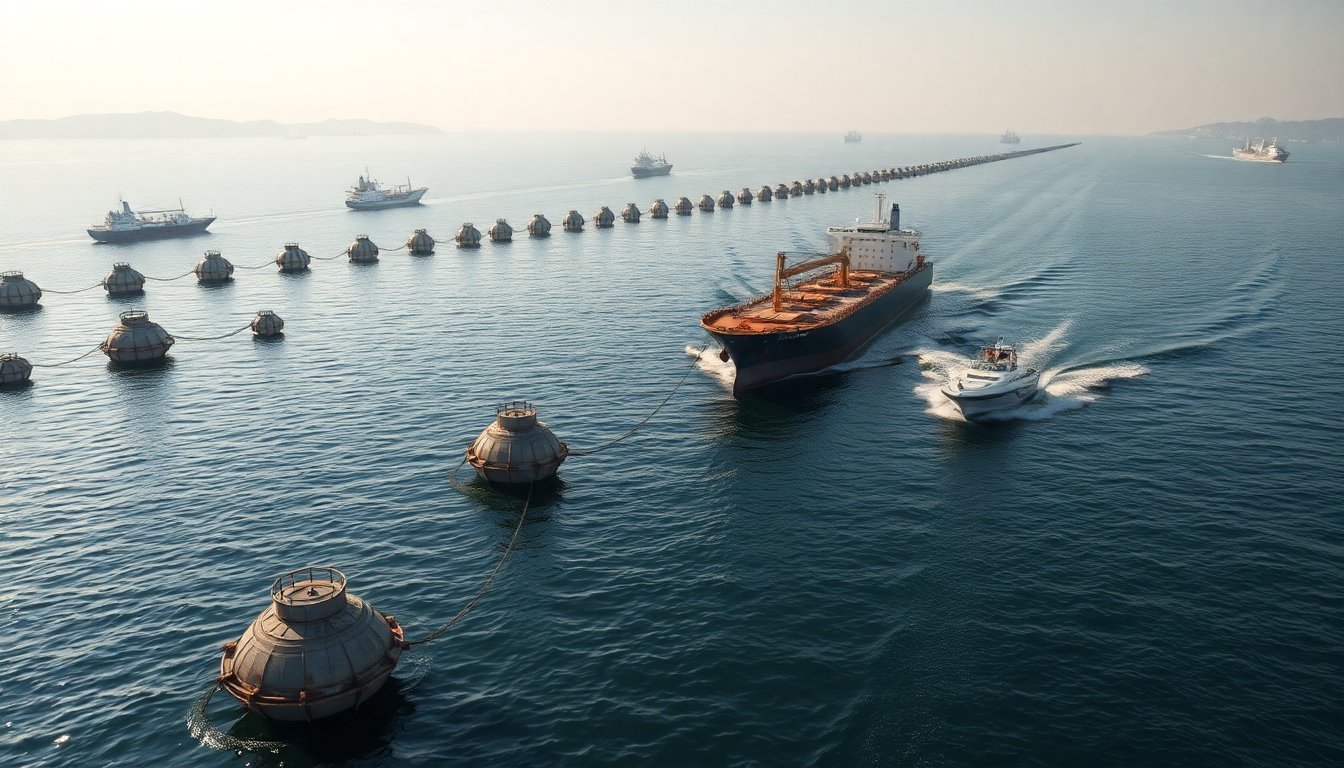
The maritime landscape around the Strait of Hormuz has shifted sharply as reports on March 20, 2026 indicated Tehran is building a formal system to screen vessels before they transit this strategic chokepoint. Shipping and analysis services have described the move as a transition toward a selective blockade — an approach that would allow some ships to transit while restricting others. The proposed mechanism, reportedly led by the Islamic Revolutionary Guard Corps (IRGC), would require advance disclosure of vessel ownership, cargo details and destinations, creating a layer of control not previously used at this scale.
That change comes amid a collapse in traffic after the recent regional hostilities: maritime flows through the strait have fallen dramatically since military operations involving the United States and Israel began roughly three weeks earlier, according to reporting. Because roughly one-fifth of global oil moves through this waterway, any sustained disruption has immediate ripple effects on energy markets and shipping schedules. Operators are now weighing whether short-term access under Tehran’s terms would outweigh the practical hurdles posed by insurance, sanctions and safety concerns.
What the new vetting measures would require
Under the plan described by maritime sources, ships would be expected to provide comprehensive documentation to Iran in advance of passage along an approved route. The prospective registration and vetting system would collect information about cargo manifests, beneficial ownership, and planned ports of call. Those disclosures are reportedly being routed through Iran-affiliated intermediaries operating outside the country, rather than through standard maritime clearance channels. The aim, from Tehran’s perspective, appears to be to manage who may use a narrow, state-sanctioned corridor while maintaining the right to deny transit to vessels it considers hostile.
From the shipping industry’s viewpoint, the requirements introduce new operational risks. Revealing cargo destinations and commercial partners can expose vessels to targeted action or legal complications under competing sanction regimes. Insurers and shipowners may classify transit under these conditions as high risk, raising premiums or refusing coverage. The combined effect could deter many operators even if Iran opens a corridor, because logistics and contracts are typically planned months in advance and not easily rerouted on short notice.
Which countries have been in talks and what has moved so far
Sources cite direct contacts between Tehran and several governments, including India, Pakistan, Iraq, Malaysia and China, to secure permission for their flagged or chartered vessels to transit via Iranian territorial waters. Maritime intelligence indicates a small number of ships — many linked to the region or to those countries — have used a corridor close to Iran’s coast, particularly around the Larak Island area. At least nine vessels reportedly passed through this route recently, and one tanker is said to have paid about $2 million for passage. Such transactions, if verified, underline how commercial and political calculations are colliding in real time.
Emergence of a “safe” corridor and operational choices
Analysts have described a de facto safe corridor that runs inside Iranian territorial waters and that appears to favor Iranian exports and a limited set of approved non-Iranian movements. Some ships have attempted to minimize visibility by turning off their AIS transponders, while others have broadcast affiliations or credentials to signal compliance. These tactical responses reflect the dilemma for captains and companies: accept state scrutiny and potential insurance exposure to maintain trade flows, or avoid the passage and accept longer, costlier routes around Africa or via alternate supply chains.
Legal and insurance hurdles
Maritime law specialists warn that even if a vessel secures IRGC approval, the journey may remain financially unviable because insurers and classification societies could refuse cover. The act of declaring cargo destinations and calling at Iranian ports may trigger breaches of sanctions for some operators, while others might face higher premiums or be excluded from global carrier networks. In short, the vetting framework may provide a short-term escape hatch for selected players, but widespread commercial use of the corridor would depend on convincing insurers, charterers and regulators that the risks are manageable.
As this story develops, stakeholders will watch whether Tehran formalizes the registration process and how shipping markets react. The combination of political control, commercial negotiation and maritime risk assessment is reshaping a narrow but globally significant stretch of water, with long-term implications for energy security and international trade routes.