
Table of Contents
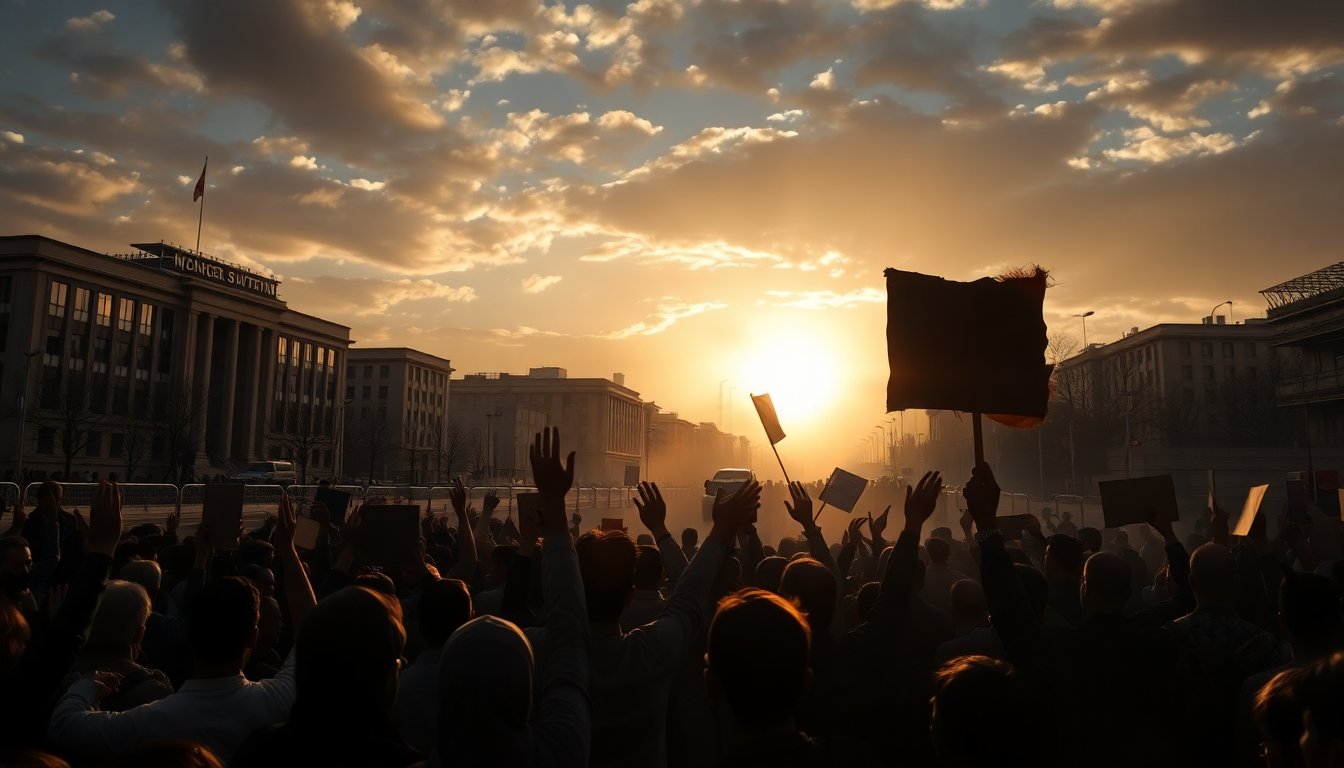
The recent protests in Iran, which began in late December, have evolved into a significant challenge for the ruling authorities. The unrest is fueled by widespread anger over economic hardship, state violence, and political repression. As tensions rise, reports indicate that the government has implemented drastic measures to suppress dissent, including a complete internet blackout that has severely hindered communication efforts within the country.
Activists report that the government’s violent crackdown has resulted in a death toll of at least 5,002 lives. This alarming figure suggests the situation may be more severe than reported. However, the Iranian government claims that approximately 3,117 individuals have died during these protests, with most classified as either civilians or security personnel.
Government denial and rising casualties
Iran’s top prosecutor, Mohammad Movahedi, has dismissed U.S. President Donald Trump’s claims of intervention in halting the execution of 800 detained protesters, labeling these assertions as “completely false.” The Iranian government maintains that the protests have been effectively quelled, proclaiming, “The sedition is over now,” according to Movahedi.
Challenges in reporting accurate data
The ongoing internet blackouts, which have now lasted three weeks, complicate efforts to obtain accurate casualty figures. Human Rights Activists in Iran (HRA) report severe repercussions from the protests, including the arbitrary detention of over 26,800 individuals across various Iranian cities. Additionally, reports indicate that many detainees are subjected to inhumane treatment, including allegations of sexual assault against minors, underscoring the brutal nature of the government’s response.
The Iranian authorities’ classification of protesters as mohareb—meaning “enemies of God”—has heightened fears among the populace. This designation carries severe penalties, including the death sentence, and has historically justified mass executions, as seen during the 1988 executions when thousands lost their lives.
International response and tensions with the U.S.
The situation in Iran has not only garnered significant domestic attention but also escalated international tensions. Iranian leaders continue to mock and criticize U.S. President Trump, while the U.S. military buildup in the region raises concerns about potential military action. Trump has described the movement of U.S. naval assets towards Iran as a precautionary measure, indicating that military options remain on the table.
Call for accountability
International organizations, including the International Bar Association’s Human Rights Institute (IBAHRI), have expressed deep concern over the Iranian government’s actions. The IBAHRI has condemned the mass killings and called for an end to the excessive use of force against protesters. They emphasize the need for accountability and adherence to international human rights laws, urging the United Nations to intervene to ensure that those responsible for human rights violations are held accountable.
The IBAHRI, along with other human rights advocates, has urged the Iranian government to immediately halt all executions of protesters and comply with its obligations under international law. The ongoing violence and repression only intensify calls for change and justice among the Iranian populace, who continue to demand their fundamental rights.
The situation in Iran remains fluid, with the potential for further escalation. As protests continue, the need for accurate information and international support for the Iranian people becomes increasingly essential. The world watches closely as the struggle for freedom and justice unfolds during this critical moment in history.