
Table of Contents
Iran protests escalate amid government discontent
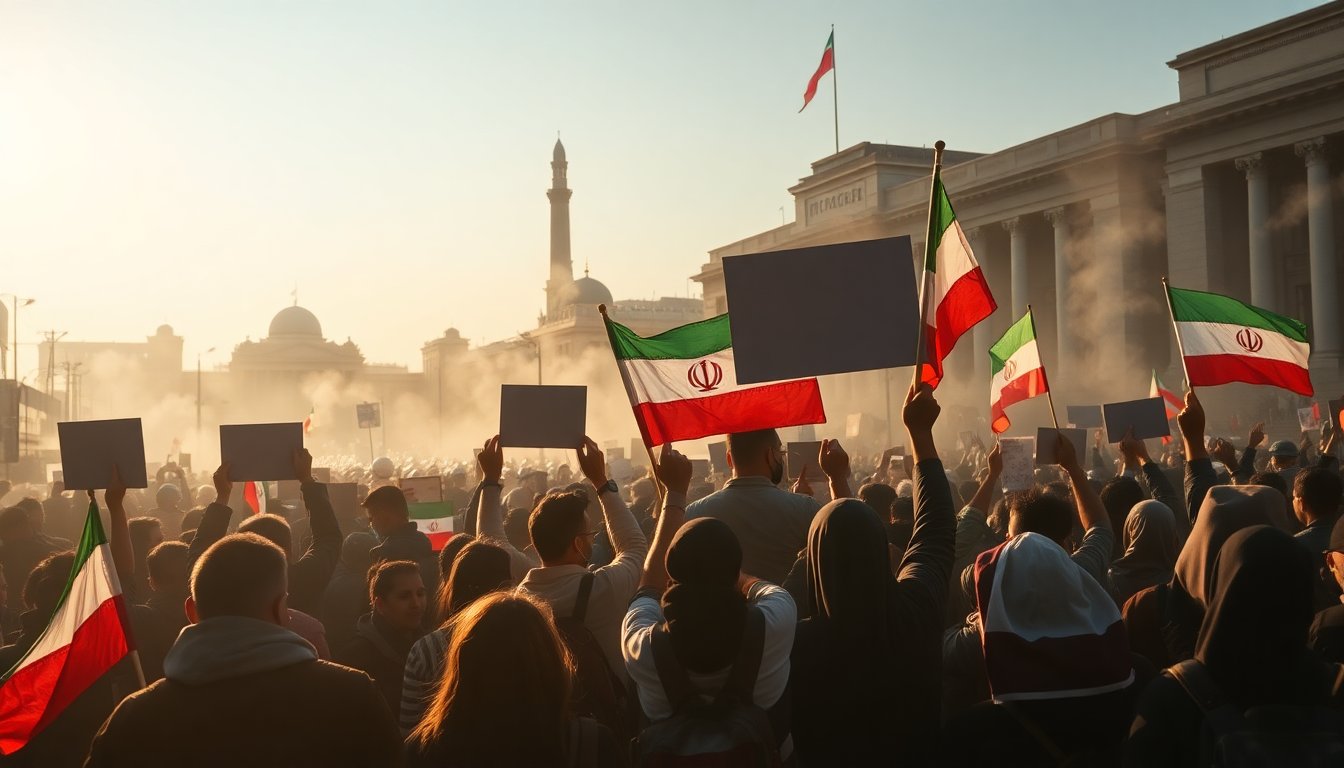
Iran has recently experienced a significant rise in protests, driven by escalating living costs and widespread dissatisfaction with the ruling government. In the midst of this unrest, Iran’s Foreign Minister, Abbas Araghchi, has leveled serious accusations, claiming that the turmoil is being manipulated to create a justification for potential military intervention by the United States. Araghchi made these remarks during a briefing in Tehran, where he pointed out that the protests have taken a more violent turn.
Claims of foreign interference and violence
Abbas Araghchi, a senior Iranian official, stated that the violence during the protests was not spontaneous. He described it as a calculated strategy by terrorist groups aimed at provoking foreign intervention. Araghchi highlighted that warnings from former President Trump about military action against Iran may have encouraged these groups to attack both security forces and demonstrators. “We are prepared for both conflict and dialogue,” he said, emphasizing Iran’s readiness to address the ongoing tensions.
Government’s response and control measures
Araghchi stated that the situation is now under control, asserting that the government has gathered evidence, including footage showing weapons being distributed to protesters. This announcement coincided with promises to release confessions from detainees, suggesting a government closely monitoring the unrest. He alleged that foreign entities are inciting the protests and vowed to pursue those responsible for escalating the violence.
Impact of internet blackout on protests
The protests in Iran have entered their third week amid a nationwide internet blackout, which has drawn significant criticism from human rights organizations. This blackout has severely hindered communication and on-ground reporting. Watchdog group NetBlocks has confirmed that internet connectivity has been down for over 84 hours. This strategic action appears to have reduced the number of videos documenting protest activities on social media. Observers speculate that the government is attempting to conceal its crackdown on dissent.
International reactions and potential military escalation
As unrest continues in Iran, U.S. President Donald Trump has warned of serious consequences if the situation escalates. He indicated that the United States is considering “strong options,” which may include military action if the Iranian government reacts violently to peaceful protests. This statement highlights the ongoing tensions, with the Trump administration closely monitoring the developments in Iran.
In response, Iranian officials have issued stern warnings to the U.S. Parliament Speaker Mohammad Baqer Qalibaf stated that any attack on Iran would provoke a retaliatory response targeting U.S. bases and allies in the region. This assertion emphasizes the precarious state of affairs and the potential for conflict.
Broader implications for Iranian society
The ongoing protests signify a major challenge to the Iranian regime, marking one of the most significant crises since the 1979 Islamic Revolution. Initial grievances regarding economic hardship have evolved into widespread demands for governmental reform and accountability. Iranian official Abbas Araghchi noted that the government declared three days of mourning for the “martyrs” among security forces killed during the protests, highlighting the deep divisions and emotions surrounding the unrest.
In response to these developments, Iranian President Masoud Pezeshkian has discussed economic strategies aimed at stabilizing the nation. He has also urged citizens to distance themselves from “rioters” and “terrorists.” The situation is further complicated by reports of casualties among both security personnel and protesters, with various estimates suggesting a higher death toll than the figures officially acknowledged.
Iran faces pivotal moment amid protests
The recent protests and their aftermath represent a pivotal moment for Iran as internal and external pressures intensify. The government’s response, along with international reactions, is poised to influence the future of Iranian politics and society.