
Table of Contents
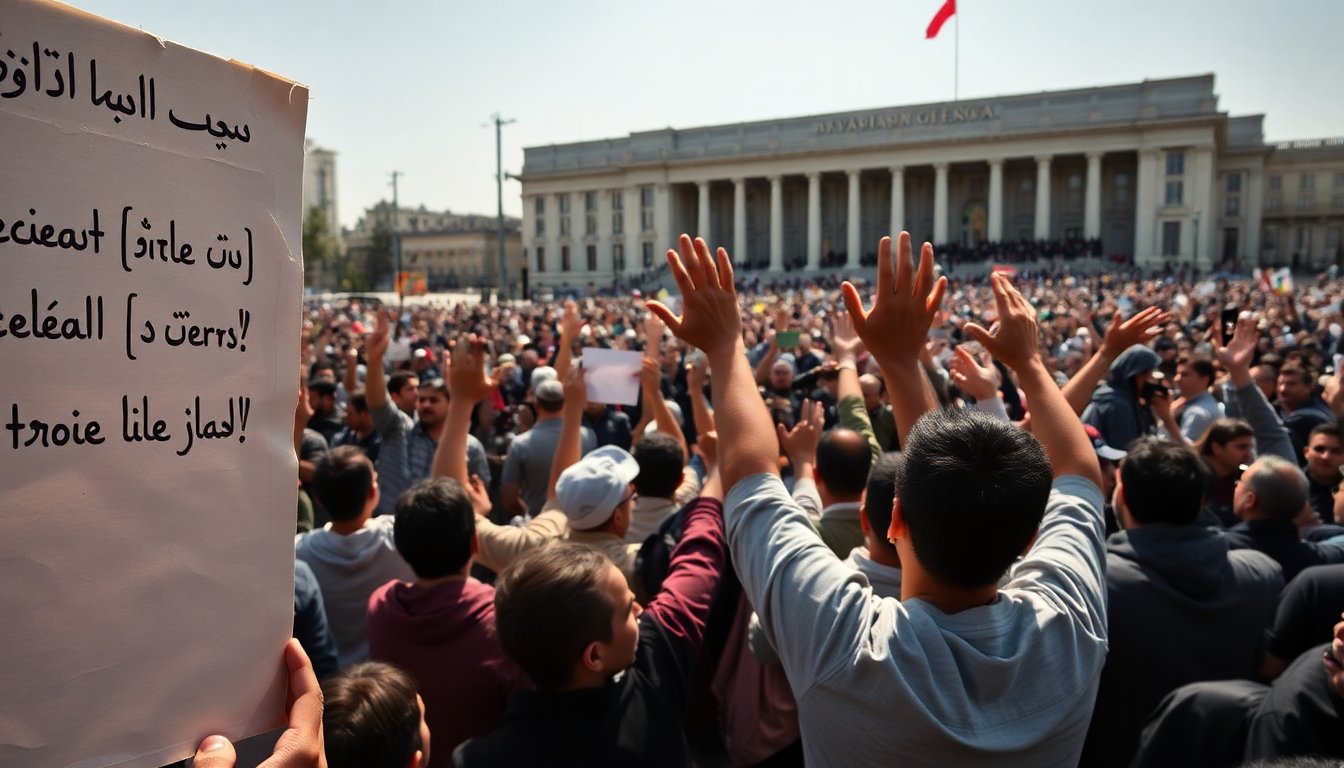
As Iran faces a significant wave of protests, global attention has turned to the nation. The unrest began in late 2026, triggered by a sharp decline in the value of the Iranian rial. What initially started as economic discontent has evolved into widespread calls for political reform. Citizens are expressing their frustrations with chants demanding an end to governmental oppression, seeking international support against violent responses from security forces.
Reports indicate that the Iranian government is struggling to control the escalating protests. Security forces have resorted to increasingly violent measures, leading to fatalities among protesters, including tragic losses involving children. By January 7, 2026, protests had erupted in over 280 locations, resulting in at least 36 reported deaths and the arbitrary arrests of thousands.
Protests spread nationwide amidst violence
The unrest has not been confined to specific areas; it has spread across at least 21 provinces. Major cities like Tehran have turned into battlegrounds, with demonstrators clashing violently with law enforcement. Authorities have reportedly used live ammunition, heightening the dangers for those participating in the protests.
The government has employed intimidation tactics to suppress dissent, including raids on hospitals treating injured protesters. Human rights organizations have condemned these actions, emphasizing the regime’s harsh strategies to maintain control. Additionally, the protests have severely impacted daily life, with bazaars closing in major cities due to the unrest.
A symbol of defiance in Tehran
Amid the turmoil, unique expressions of resistance have emerged. In Tehran, nighttime gatherings have become a powerful symbol of defiance. A moment captured by Iranian-Canadian political analyst Goldie Ghamari shows a large crowd raising the pre-1979 Iranian flag—a symbol of the monarchy—high above the streets. This act resonates deeply, representing a rejection of the current regime and a yearning for a different era.
Ghamari’s declaration on social media that this is the Iranian Revolution has resonated with many Iranians, who believe they are on the brink of significant change. The image of the flag being raised amidst cheers highlights a pivotal moment in the ongoing struggle against oppression.
Social media amplifies the protest narrative
In a striking development, influential figures from outside Iran have begun engaging with the protests on social media. Notably, tech entrepreneur Elon Musk’s mockery of Iranian Supreme Leader Ayatollah Ali Khamenei has resonated widely. Musk’s tweet, which translates to “What a false illusion,” has gone viral, capturing the sentiments of many Iranians who view it as validation of their struggle.
This unexpected support from international figures has further fueled the protests. As Musk’s phrase echoed in chants across Iran, it solidified his standing among the Iranian diaspora, enhancing the international dimension of the protests.
Calls for international support
Initially sparked by economic hardships such as soaring inflation and unemployment, the protests have evolved into broader demands for regime change. Protesters are expressing their grievances openly, chanting slogans like “death to the dictator” and urging international leaders, including the newly elected U.S. President, to intervene. The urgency of their pleas underscores the desperation felt by many Iranian citizens.
In the Kurdish regions, the situation remains particularly dire, with authorities responding to protests with extreme violence. Reports from the Institute for the Study of War highlight a rapid increase in demonstrations, reflecting a growing momentum that the regime cannot ignore.
Global implications of the unrest
Reports indicate that the Iranian government is struggling to control the escalating protests. Security forces have resorted to increasingly violent measures, leading to fatalities among protesters, including tragic losses involving children. By January 7, 2026, protests had erupted in over 280 locations, resulting in at least 36 reported deaths and the arbitrary arrests of thousands.0
Reports indicate that the Iranian government is struggling to control the escalating protests. Security forces have resorted to increasingly violent measures, leading to fatalities among protesters, including tragic losses involving children. By January 7, 2026, protests had erupted in over 280 locations, resulting in at least 36 reported deaths and the arbitrary arrests of thousands.1
Reports indicate that the Iranian government is struggling to control the escalating protests. Security forces have resorted to increasingly violent measures, leading to fatalities among protesters, including tragic losses involving children. By January 7, 2026, protests had erupted in over 280 locations, resulting in at least 36 reported deaths and the arbitrary arrests of thousands.2