
Table of Contents
Protests in Iran lead to severe internet blackout
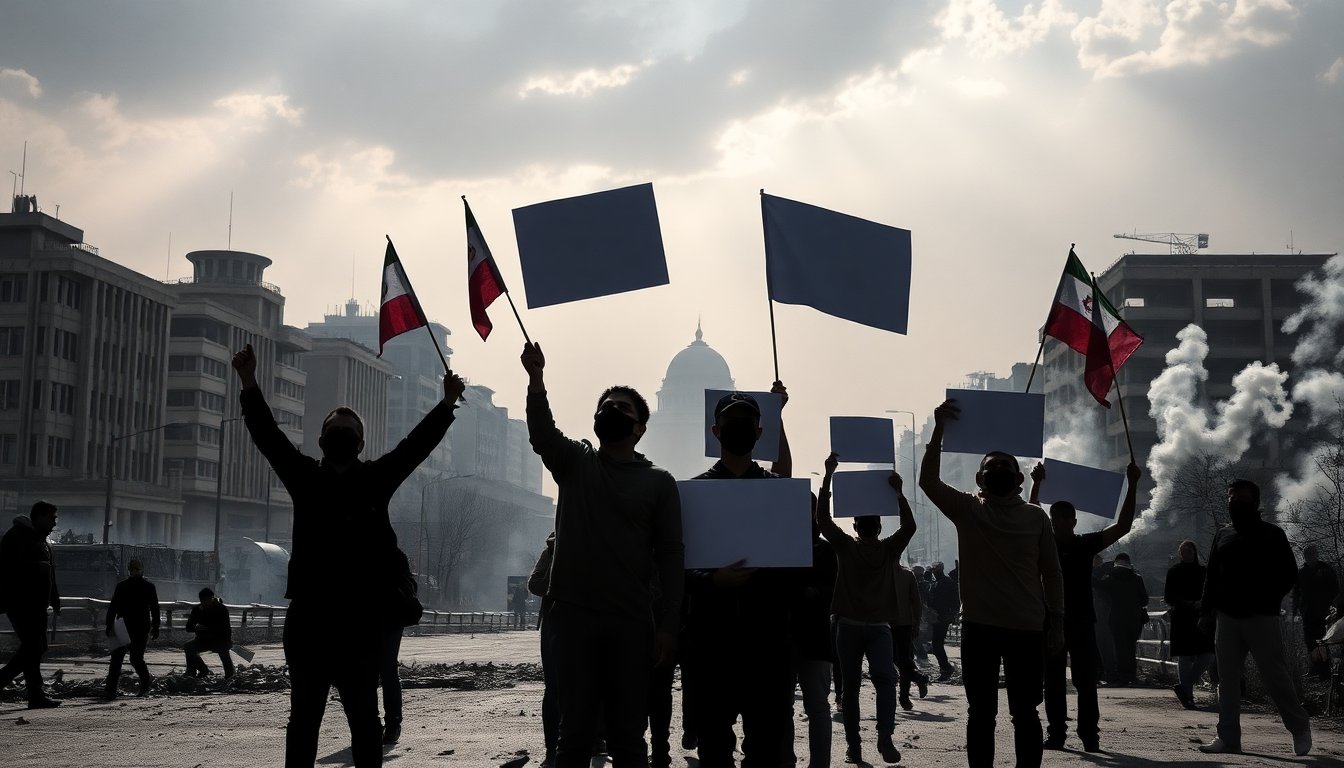
The recent protests in Iran have resulted in significant turmoil, culminating in a severe internet blackout that obscures the realities on the ground. As the government’s violent response escalates, reports indicate that the death toll has surpassed 4,000, marking this crackdown as one of the most brutal in the nation’s history. Observers emphasize that the situation is dire, with international reactions to the ongoing violence becoming increasingly urgent.
Protests and the government’s response
The unrest began in late December when citizens took to the streets to express their discontent over economic hardships. The demonstrations quickly evolved from protests against inflation into widespread calls for an end to the theocratic regime. In response to the escalating unrest, the Iranian government imposed a sweeping internet blackout on January 8, cutting off all communication with the outside world and severely limiting citizens’ ability to seek help or share information.
Death toll and humanitarian crisis
Reports from various non-governmental organizations, including the Human Rights Activists News Agency, indicate that the number of verified deaths has reached alarming levels. While state media claim the figure is around 3,000, activists assert that the actual toll is significantly higher. Soran Mansournia, an Iranian activist residing in the Netherlands, emphasizes the chilling reality: “Once the internet is restored, the true extent of the fatalities will be shocking.” Many families are facing dire situations, including being charged bullet fees for the release of deceased loved ones.
International reactions and implications
Global responses to the ongoing situation in Iran have varied, with some leaders advocating for immediate intervention. In a recent televised address, Ayatollah Ali Khamenei condemned demonstrators, alleging they were influenced by foreign powers, particularly the United States. Khamenei vowed to uphold a stringent approach against the protests. Concurrently, U.S. President Donald Trump expressed solidarity with the Iranian people, indicating that the United States might offer assistance if the Iranian regime persists in its violent suppression of dissent.
The future of the Iranian regime
The Iranian government’s stringent measures have temporarily suppressed protests. However, experts caution that significant unrest is likely to resurface. Reza Pahlavi, the exiled son of the former Shah, asserts that public discontent runs too deep for the regime to overlook. Mahmood Amiry-Moghaddam, head of the Norway-based Iran Human Rights group, highlighted the looming threat of executions of protesters. He called on the international community to intervene to prevent further bloodshed.
The role of technology in activism
Following the government’s attempt to suppress dissent through an internet shutdown, many Iranians are finding ways to bypass these restrictions. Recent estimates indicate that approximately 50,000 individuals have turned to Starlink, a satellite internet provider, to communicate and share vital information regarding the ongoing situation. According to Soran Mansournia, these users play a critical role in disseminating information about the protests and the harsh measures employed against demonstrators.
The impact of sanctions and economic factors
The Iranian regime is currently facing a significant crisis, worsened by ongoing U.S.-led sanctions that have severely impacted its economy. The absence of viable economic relief options has created a daunting challenge for the government, which is struggling to manage rising discontent among its citizens. Analysts indicate that if the regime does not address the root causes of this unrest, the current climate may lead to further protests within a few years.
The situation in Iran remains precarious as the government deals with the fallout from the protests and the repercussions of its drastic measures. As global attention focuses on the country, the resilience of the Iranian people continues to be evident, even amid overwhelming challenges.