
The backdrop
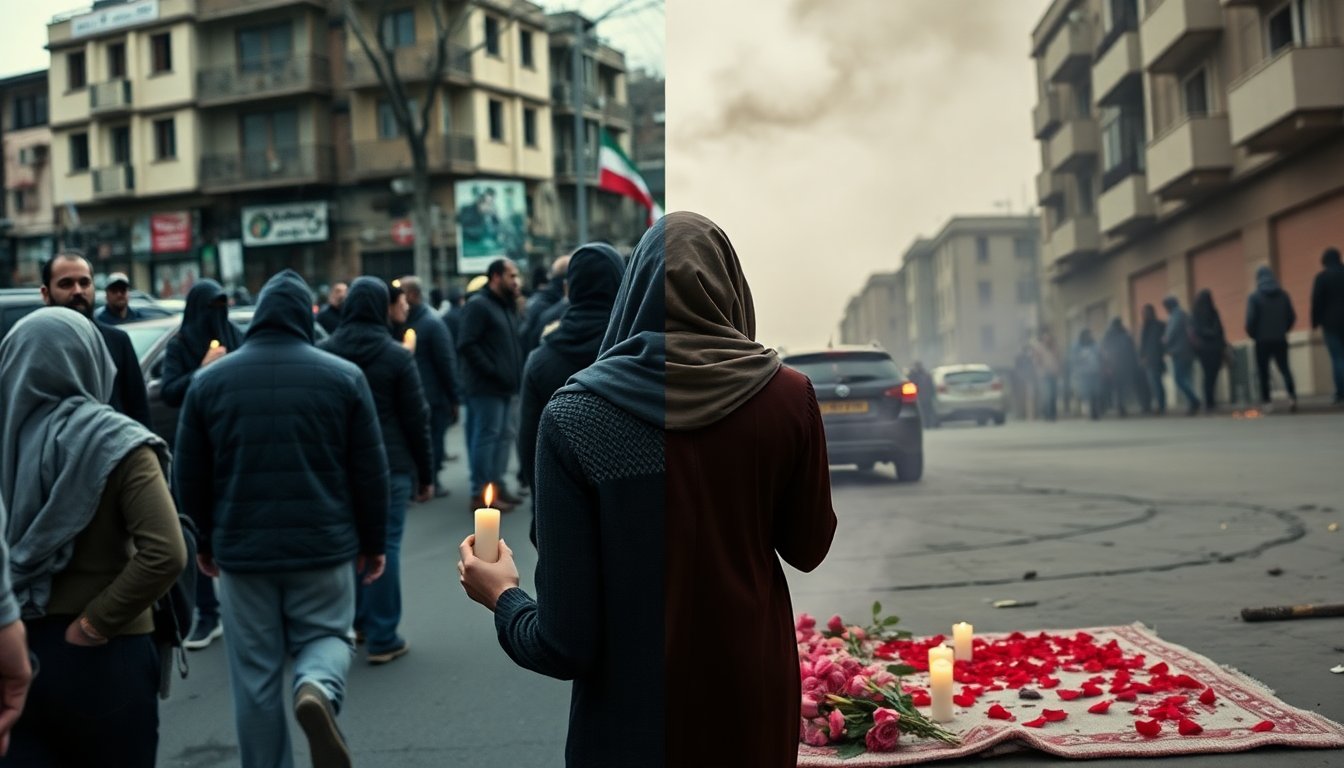
A volatile mix of public fury in Iran and stepped‑up U.S. pressure has scrambled the diplomatic map around Tehran’s nuclear program. A recent security operation inside Iran — said to have caused many deaths — ignited protests and grief that meet a Washington determined to squeeze Tehran through sanctions and public diplomacy. Official channels remain open, but the atmosphere around any talks is tense and unpredictable.
How the domestic crisis reshapes negotiations
Street anger has reshaped the bargaining environment. Mass protests and calls for accountability have pushed public opinion toward a zero‑tolerance stance: any leader or faction that appears to give ground risks being branded weak. That narrows the political room for maneuver. Officials who might once have favored cautious engagement now face powerful incentives to harden their posture.
Opposition figures and advisers add a second layer of pressure. They treat negotiations not simply as policy tradeoffs but as tests of legitimacy; concessions could spark more unrest. For negotiators, technical progress at the table must be balanced against the risk that perceived softness fuels further domestic instability.
U.S. posture: pressure, with a toe in diplomacy
Washington’s approach mixes coercion and limited engagement. The United States is intensifying sanctions and public signaling while keeping technical and verification channels alive. The goal is to maintain leverage without foreclosing the possibility of a deal that can be verified.
That combination forces negotiators into a narrow corridor: sustain credible deterrence to preserve bargaining power, but avoid so much public pressure that the technical work — inspections, monitoring and step‑by‑step confidence building — is shut down. Coordination among capitals is critical; unsynchronized political messages could harden positions on both sides and undermine any fragile progress.
Practical negotiating challenges
If talks are to produce results, sequencing and clarity matter more than rhetoric. Key practical hurdles include:
– Who makes the opening offer, and what form should it take? Timing affects credibility.
– How to translate inspection, compliance and limits into verifiable, enforceable steps.
– Managing public messaging so that official postures don’t sabotage quiet, technical diplomacy.
Expect cycles of calibrated pressure followed by narrow, targeted outreach. Officials report discreet consultations are already underway even as public rhetoric grows louder. The coming days will show whether that push‑and‑pull yields openings or simply deepens the stalemate.
Regional ripple effects
Outcomes at the negotiating table will reverberate across the region. Neighboring states are already recalibrating their security postures and alliance calculations — some prioritizing deterrence, others economic stability. Energy markets, shipping routes and trade corridors are being watched for disruption risks, while humanitarian groups brace for spillovers that could affect civilians.
These dynamics complicate coalition‑building. Countries allied with Washington and those closer to Tehran often read the same events through different lenses, making coordinated responses harder. Defense planners emphasize the need for alignment across intelligence, logistics and diplomacy if crisis management escalates.
Technology and the longer view
Beyond the immediate crisis lies a longer contest over capabilities and verification. Advances in enrichment technology, missile guidance and clandestine procurement all change the margin for error: the faster technical capabilities evolve, the narrower the window for negotiated limits and intrusive verification.
How the domestic crisis reshapes negotiations
Street anger has reshaped the bargaining environment. Mass protests and calls for accountability have pushed public opinion toward a zero‑tolerance stance: any leader or faction that appears to give ground risks being branded weak. That narrows the political room for maneuver. Officials who might once have favored cautious engagement now face powerful incentives to harden their posture.0
How the domestic crisis reshapes negotiations
Street anger has reshaped the bargaining environment. Mass protests and calls for accountability have pushed public opinion toward a zero‑tolerance stance: any leader or faction that appears to give ground risks being branded weak. That narrows the political room for maneuver. Officials who might once have favored cautious engagement now face powerful incentives to harden their posture.1
How the domestic crisis reshapes negotiations
Street anger has reshaped the bargaining environment. Mass protests and calls for accountability have pushed public opinion toward a zero‑tolerance stance: any leader or faction that appears to give ground risks being branded weak. That narrows the political room for maneuver. Officials who might once have favored cautious engagement now face powerful incentives to harden their posture.2