
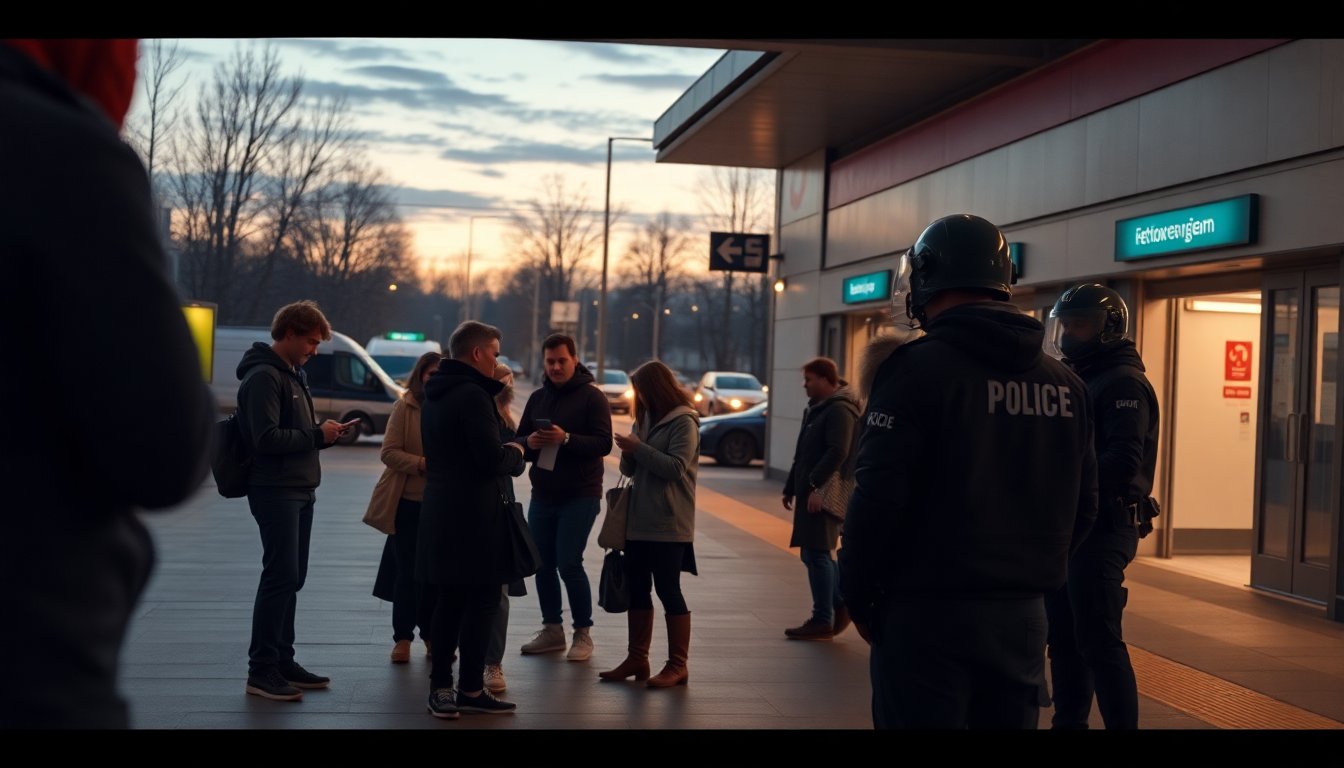
A small gathering outside Moscow’s Salaryevo metro on the evening of March 1 ended with several Iranian nationals fined or briefly detained, and a lot of unanswered questions about what actually took place.
What happened
An Instagram invitation from a woman known to followers as Reyhane — a Russia-based dentist with roughly 15,000 followers — encouraged fellow Iranians to meet near Salaryevo. Estimates of who showed up range from about 20 to 45 people. Reyhane told attendees the meetup was meant to be social and asked that no political materials be brought; she later said the event was just friends grilling shashlik.
Police say they dispersed the group after officers heard slogans they interpreted as praising recent U.S. and Israeli strikes in the Middle East, and quoted some participants as chanting “Thank you, United States of America.” Those detained deny the accusation. Several witnesses and people who later spoke in court described the gathering as a casual barbecue with no organized chanting.
Legal actions and outcomes
Authorities treated the meeting as an unauthorized public event and opened administrative cases. Court records show more than 20 foreign nationals were fined for taking part in an event without prior notification. Reyhane was charged with organizing a rally without notification and handed a 10‑day detention sentence; others received fines or short administrative detentions. Full charges and court documents had not been published in detail at the time of reporting.
Competing narratives
The situation is defined by two conflicting stories. Police maintain the group engaged in politically charged chanting; detainees insist there was no coordinated protest. Defence statements filed by attendees and witness testimony contest the official account, while independent verification of the alleged slogans is limited to those opposing statements and police reports.
Why social media and diaspora dynamics matter
The episode highlights how quickly small, informal gatherings can become visible — and vulnerable — when organized on public social platforms. Organizers suggested several possible sources for the complaint: embassy staff, other expatriates who saw the Instagram post, or local residents alarmed by the visibility of the meet-up. Police reportedly followed up the next day with detentions at a student dormitory, indicating continued law-enforcement scrutiny beyond the metro encounter.
Unresolved questions and broader implications
Key facts remain unclear: who filed the complaint, which legal threshold police used to classify the meeting as a public rally, and whether evidence of chanting met the standard for dispersal and arrests. The distinction matters because rules about prior notification apply differently to private social gatherings versus public demonstrations. Observers and civil‑liberties groups have urged clearer guidance so that informal diaspora meet-ups aren’t mistaken for protest actions. On the ground, however, participants and community members continue to dispute what the event was and why it drew such a swift response. As administrative appeals or further proceedings unfold, clarity about legal thresholds and the origin of the complaint will be crucial for expatriate communities thinking about future gatherings.