
Table of Contents
Iran faces economic turmoil amid military tensions
In the heart of the Middle East, Iran is grappling with a challenging situation characterized by economic hardship and the threat of military conflict. Following a wave of nationwide protests, Iranian officials are reaching out to neighboring countries to ease the rising tensions associated with fears of a potential U.S. military strike. As protests persist, the value of Iran’s currency has fallen to historic lows, underscoring a wider economic crisis.
Growing military tensions and regional diplomacy
On Wednesday, Iranian representatives began discussions with several Middle Eastern nations as a response to the increased threat of U.S. military intervention. The USS Abraham Lincoln aircraft carrier and a fleet of guided missile destroyers have been deployed to the region, heightening concerns about a potential military escalation. In a decisive statement, both Saudi Arabia and the United Arab Emirates have asserted that they will not allow their airspace to be utilized for attacks against Iran.
U.S. President’s red lines
President Donald Trump has made clear that any aggression would incur serious repercussions. He has outlined two critical conditions: the safeguarding of peaceful protesters and the prevention of mass executions of detainees. The situation following the protests has been dire, with reports indicating that over 6,221 individuals have lost their lives due to the government’s violent crackdown on civil dissent.
Iran’s response to U.S. threats
In response to escalating tensions, Iran’s foreign minister, Abbas Araghchi, stated that the nation’s armed forces are prepared to act decisively against any aggression. “Our forces are ready—fingers on the trigger—to respond swiftly and powerfully to any threat against our territory,” he conveyed via social media. This statement highlights Iran’s determination to protect its sovereignty amid growing external pressures.
Calls for diplomacy amidst conflict
Despite the ongoing tensions, there is a growing interest in diplomatic engagement. Egypt’s Foreign Ministry has confirmed that its top diplomat has reached out to officials in both Iran and the United States. This effort aims to foster dialogue and diminish regional hostilities. Such initiatives reflect a collective desire among neighboring countries to prevent further instability, particularly given the risk of a refugee crisis if military actions escalate.
Additionally, Turkey has joined these diplomatic endeavors. The Turkish foreign minister has emphasized the importance of reducing hostilities in discussions with Iranian leadership. Furthermore, Saudi Arabia’s crown prince has committed to ensuring that the kingdom’s airspace will not be utilized for military operations against Iran. This statement underscores a regional consensus on the necessity for peaceful resolutions.
Domestic implications of unrest
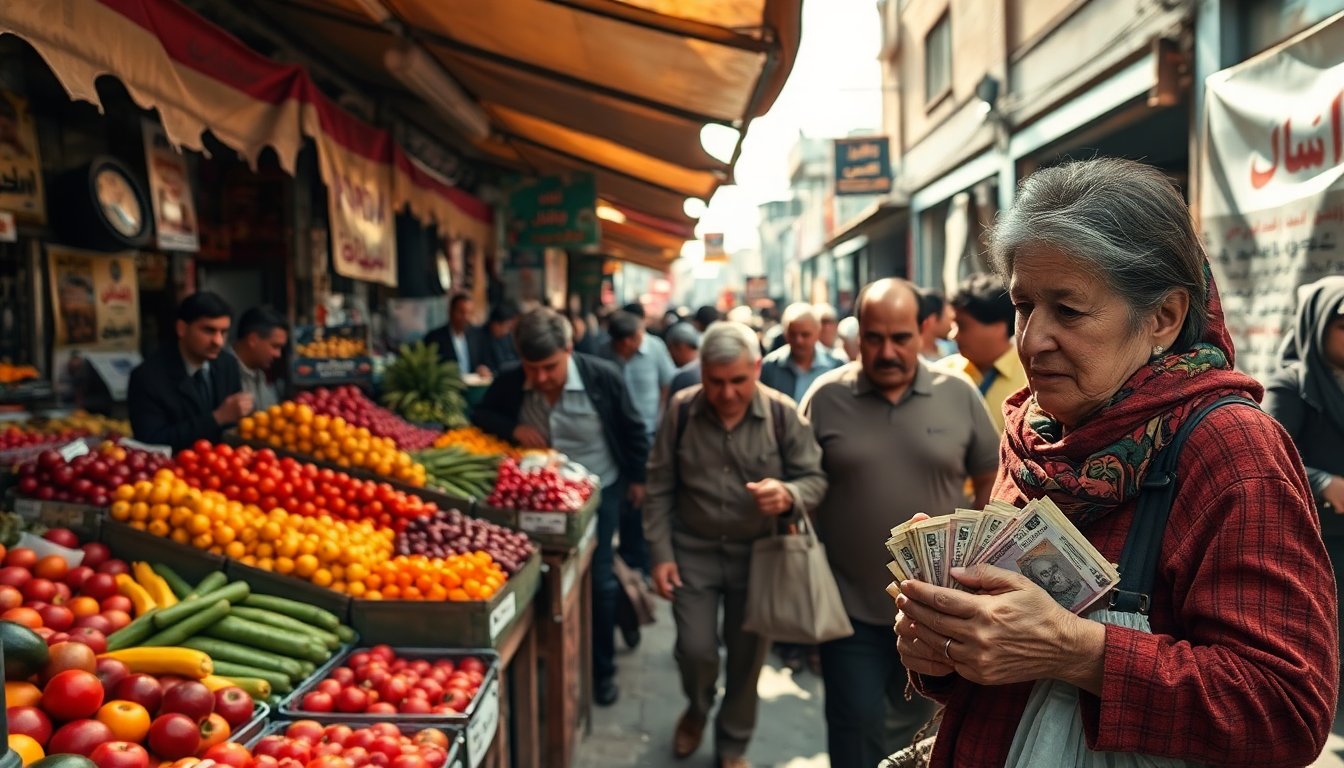
As Iran faces external threats, the internal situation remains precarious. Protests that began in December, triggered by the collapse of the Iranian rial, have led to widespread anger and disillusionment among citizens. The government’s violent suppression of dissent has intensified public frustration. A teacher from Tehran, Mohammad Heidari, expressed his despair, stating, “I feel that my generation has failed to provide a better future for the youth.”
With internet access severely restricted, many Iranians have turned to state-run media, which now portrays protestors as terrorists. This narrative serves to justify the government’s crackdown on dissent while obscuring the initial economic concerns that sparked the protests.
Human rights and accountability
Reports from human rights organizations reveal alarming statistics regarding the ongoing unrest. The Human Rights Activists News Agency reported a staggering death toll of more than 6,221, representing both protestors and security personnel. However, the Iranian government maintains a significantly lower estimate, attributing the deaths to terrorism and labeling many of the deceased as insurgents.
This discrepancy in reported fatalities underscores the complexities of the situation. The Iranian government has a history of underreporting casualties during periods of unrest. The scale of the violence has drawn comparisons to previous uprisings, including the turmoil during the 1979 Islamic Revolution. Such comparisons highlight the severity of the current crisis and the ongoing struggle for accountability amidst conflicting narratives.
Iran’s critical juncture
As the situation unfolds, Iran stands at a crucial point, balancing the need for economic stability with the demands of its citizens for change. External military threats intensify the urgency of the government’s response. The nation’s leadership faces the challenge of addressing domestic unrest while working to restore its position in the international arena.
The coming weeks will be pivotal for Iran as it seeks to tackle both the internal pressures from its populace and the external challenges posed by the United States and its allies.