
Table of Contents
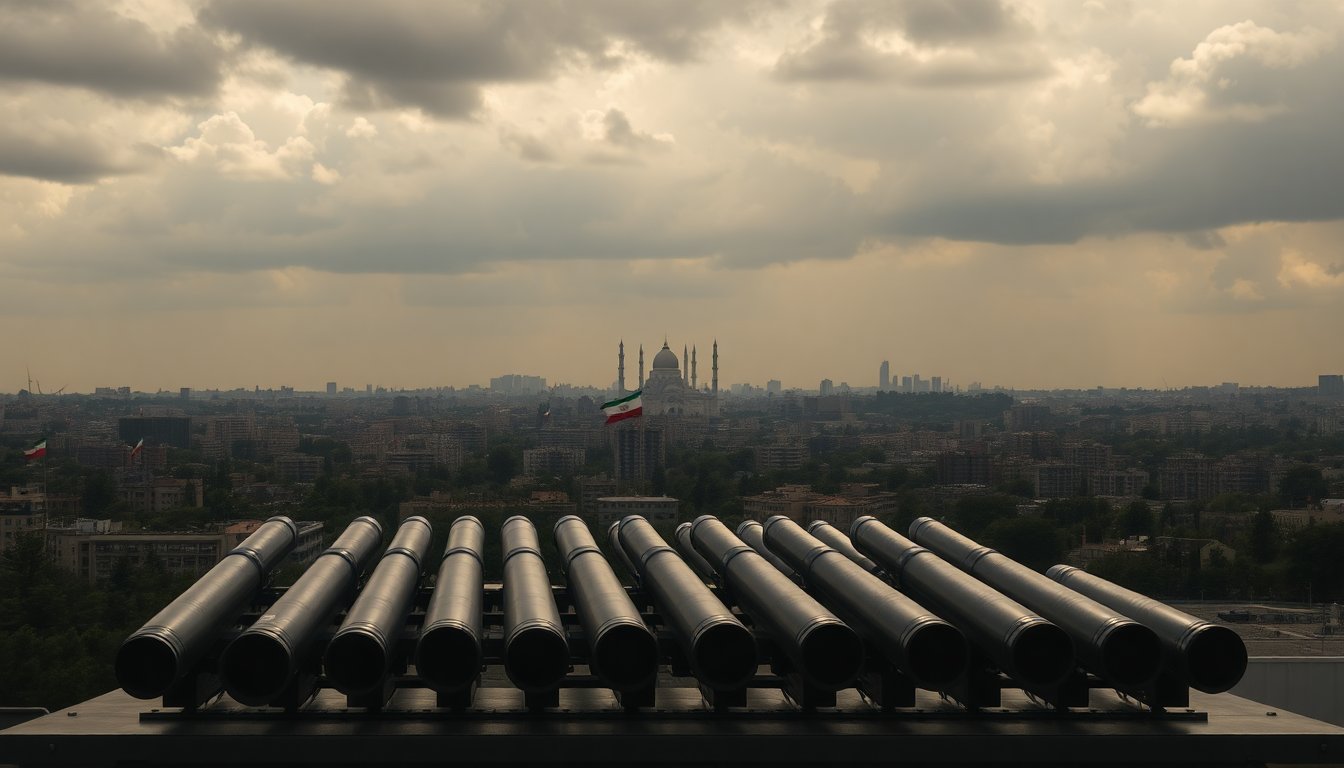
The ongoing diplomatic engagement between the United States and Iran has encountered significant challenges, particularly concerning Tehran’s missile program. While Washington demands limitations on Iran’s missile capabilities, Tehran remains steadfast, asserting that this component of its defense strategy is non-negotiable. This situation adds further complexity to the already strained relations between the two nations.
In a recent interview, Iran’s Foreign Minister, Seyed Abbas Araghchi, emphasized that discussions surrounding Iran’s missile development are off the table. He underscored that the missile program is integral to national security and should not be subjected to external demands. This refusal to engage in missile negotiations highlights Iran’s intention to maintain its defense posture amidst perceived threats from the U.S. and its allies.
The backdrop of U.S.-Iran negotiations
The current negotiations are rooted in a history of conflict and mistrust. Following a series of military actions and heightened tensions, both countries find themselves at a critical juncture. The U.S. has expressed concerns regarding Iran’s missile capabilities, linking them to broader regional security issues. Despite these pressures, Araghchi remains hopeful for constructive dialogue, although he acknowledges the long road ahead in building mutual trust.
Persistent U.S. demands
The U.S. has made it clear that curbing Iran’s missile program is vital for any potential agreements. The Biden administration has called for restrictions on Iran’s missile development as a prerequisite for further negotiations. However, Tehran’s unwavering stance on this issue complicates the diplomatic landscape, as Iranian leadership views its missile capabilities as essential to its defense strategy.
Araghchi’s remarks reflect a deep-rooted belief within Iran that its military initiatives are crucial for safeguarding national interests. He stated, “The missile program is never negotiable as it is a defense issue.” This assertiveness is indicative of Iran’s broader strategy to assert its sovereignty in the face of external pressures.
Military tensions in the region
In conjunction with diplomatic efforts, military tensions have escalated in the region. Following U.S. and Israeli military operations targeting Iranian sites, Iran’s nuclear and missile capabilities have become increasingly precarious. Although significant damage was inflicted, Iran’s ability to recover and adapt its military strategy has raised concerns among its adversaries.
Possibilities of military confrontation
The fear of potential military escalation remains palpable. Iran’s Foreign Minister has acknowledged the possibility of targeting U.S. military bases in the region, heightening the stakes. While direct conflict with U.S. soil is considered implausible, the threat to American interests in the Middle East is evident. This precarious situation underscores the need for diplomatic solutions that address Iran’s security concerns while mitigating risks of military confrontation.
As negotiations continue, both parties must navigate a complex web of interests and demands. The U.S. aims to leverage its military presence and the prospect of further strikes to extract concessions from Iran, particularly regarding its nuclear ambitions. However, the Iranian government remains resolute, viewing its military capabilities as a deterrent against perceived aggression.
Looking ahead: the path to resolution
Finding a way forward will require innovative diplomacy and a willingness from both sides to engage in meaningful dialogue. The U.S. must recognize that Iran’s missile program is a deeply entrenched element of its defense strategy, while Iran must acknowledge the broader implications of its military initiatives on regional stability. The potential for a grand bargain involving comprehensive discussions on nuclear issues, missile capabilities, and human rights could pave the way for a more stable relationship.
Ultimately, the challenge lies in establishing a framework that satisfies both nations’ security needs while fostering an environment conducive to peace and cooperation. With tensions simmering, the world watches closely as the U.S. and Iran navigate this fraught diplomatic landscape, hoping for a resolution that can avert further conflict.