
Table of Contents
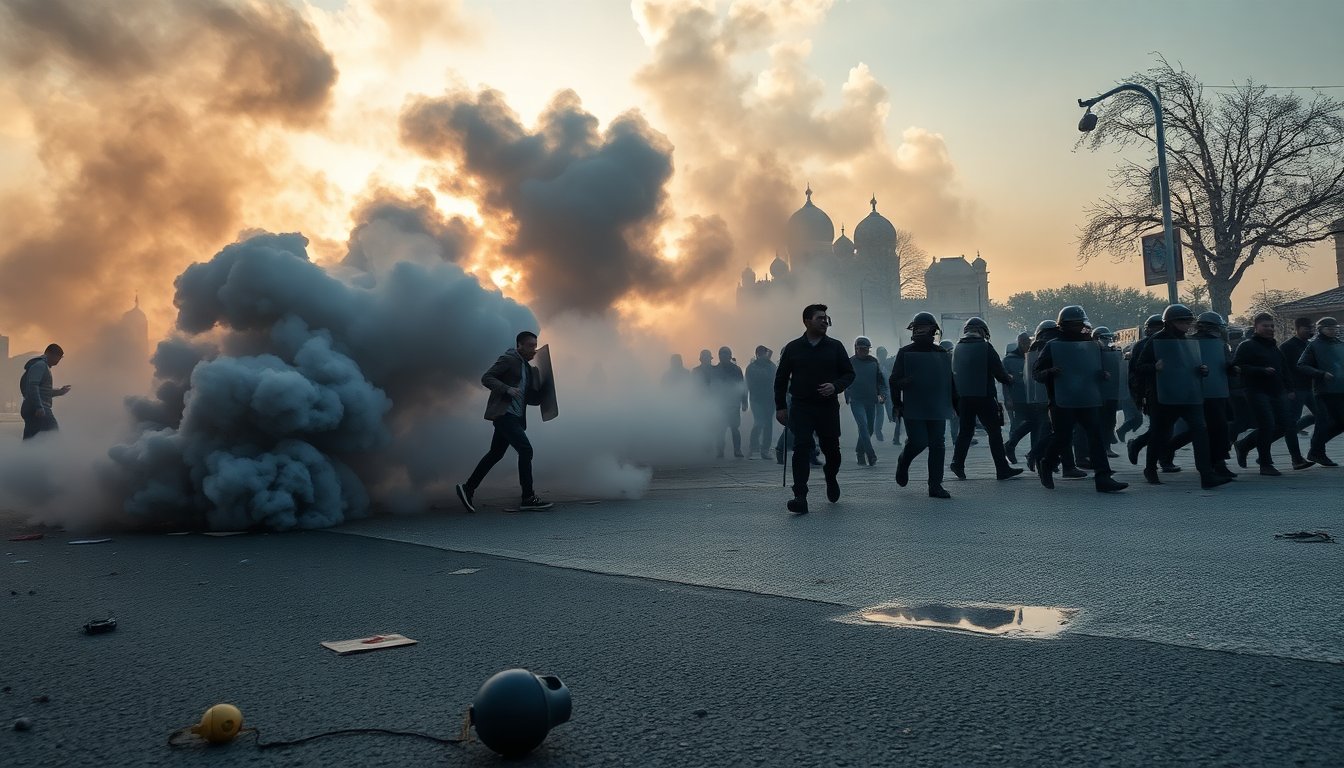
The situation in Iran has escalated significantly as the government intensifies its crackdown on widespread protests. These demonstrations stem from long-standing discontent with the ruling regime, which has responded with severe force. This has led to numerous casualties. Reports indicate that Iranian authorities have killed hundreds, if not thousands, of protesters in an effort to quell dissent and restore order.
Casualties and international reaction
Human rights organizations report that the death toll from the protests has surpassed 2,000 individuals. The Mohammadi Foundation, a Nobel Peace Prize-winning organization, has shared alarming accounts of mass shootings targeting demonstrators by Iranian security forces. Representatives of the foundation have characterized the situation as a large-scale repression, highlighting a significant increase in arrests and violence against peaceful protesters.
Eyewitness accounts and grave consequences
Eyewitnesses across Iran have reported distressing stories of violence. One account details the tragic death of 24-year-old student Robina Aminian, who was shot during protests in Tehran. This incident has intensified outrage against the government’s oppressive tactics. Social media platforms, despite enduring a government-imposed internet blackout, have become essential for disseminating information and rallying support for the protestors.
Political implications and sanctions
As the situation escalates, international leaders are beginning to take notice. Kaja Kallas, the Prime Minister of Estonia and a significant figure in the European Union, has suggested the potential for stricter sanctions against the Iranian regime. The EU is closely monitoring the situation, with various member states advocating for a decisive response to the ongoing violence.
Global leaders weigh in
In a recent cabinet meeting, Israeli Prime Minister Benjamin Netanyahu expressed support for the Iranian people. He suggested that a change in governance could foster a renewed partnership between Israel and Iran. Netanyahu stated, “We hope for the liberation of the Persian nation from tyranny, and when that day comes, we can work together for prosperity and peace.” This statement reflects the growing concern among the international community regarding human rights violations in Iran.
Future outlook for Iran
The ongoing protests have highlighted a divided society, with citizens increasingly voicing their grievances against the ruling regime. Although the Iranian government remains steadfast, the persistent unrest indicates that public discontent is far from resolved. The prospect of international intervention, particularly from the United States, remains significant and could have substantial implications for the region’s geopolitical landscape.
Iran faces critical moment amid unrest
The world is closely monitoring the situation in Iran. A mix of domestic unrest and international pressure may compel the Iranian regime to reassess its strategies. The coming weeks will be crucial, as both protestors and government forces prepare for a potentially defining moment in Iran’s history.