
Table of Contents
The changing dynamics of Iran’s oil exports
The landscape of Iran’s oil exports is experiencing notable changes. The country is managing to sell larger quantities of crude oil, yet its financial returns are declining. This paradox arises from a complex interplay of international sanctions and the actions of various intermediaries. These intermediaries take advantage of Iran’s limited options for oil sales. Understanding this dynamic is crucial for grasping the broader implications for Iran’s economy and its geopolitical positioning.
Understanding the dynamics of Iran’s oil sales
Despite facing severe sanctions primarily from the United States, the country has shown a remarkable ability to sustain its oil export levels. From late to early, Iran managed to export significant volumes of hydrocarbons, which has been crucial for its economic stability. However, the financial returns from these exports may not be as substantial as they seem. The increase in export volumes has led to decreased revenue, primarily due to a reliance on a complex network of middlemen and obscure buyers.
The role of intermediaries in oil sales
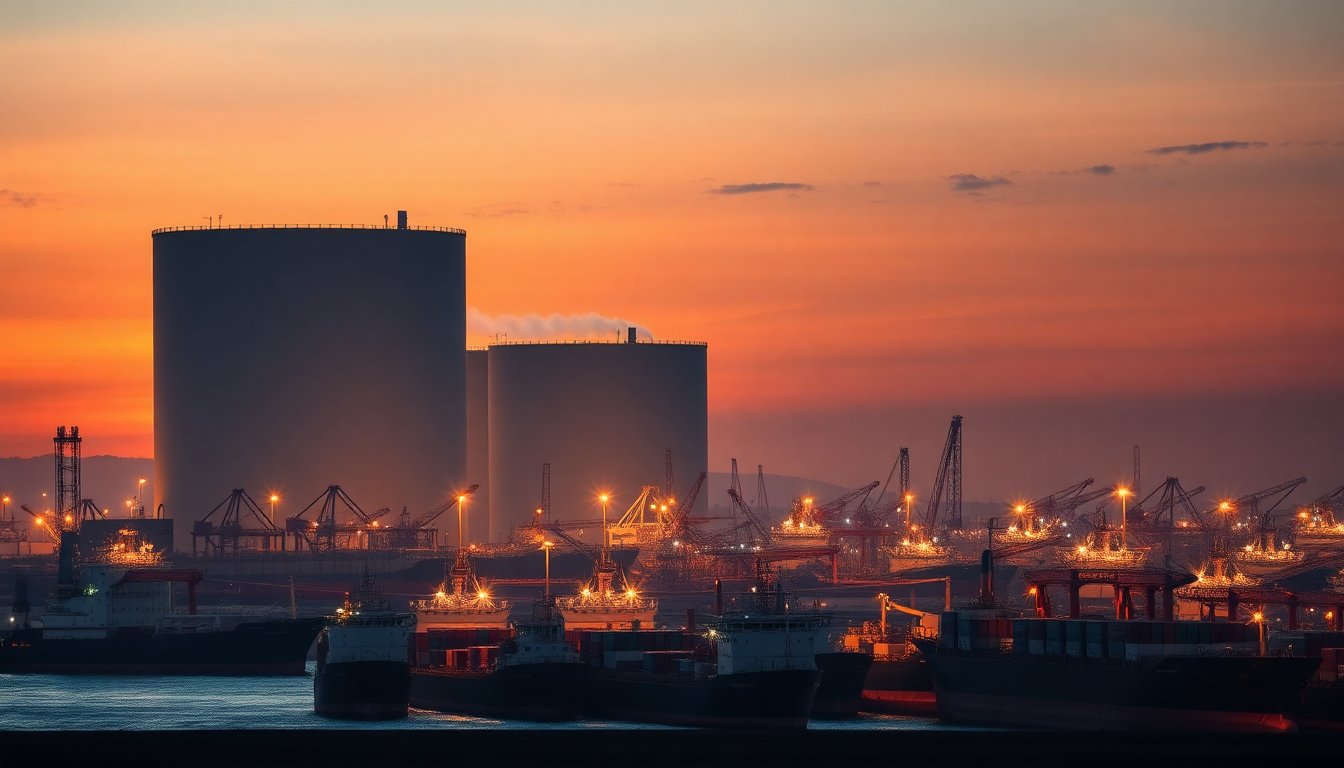
The shadow fleet of tankers is crucial to Iran’s oil trade strategy. Operating under flags of convenience, these vessels can evade detection and sanctions. They transport Iranian oil to various destinations, primarily in Asia, including significant hubs like the United Arab Emirates and Djibouti. However, the U.S. government is intensifying scrutiny of this network, placing additional pressures on its operations.
New sanctions targeting these intermediaries aim to disrupt their activities and, in turn, limit Iran’s ability to profit from its oil sales. The effectiveness of these measures remains to be seen as the geopolitical landscape continues to evolve.
The implications of U.S. sanctions on Iran’s oil economy
U.S. sanctions significantly affect Iran’s oil economy. The Office of Foreign Assets Control (OFAC) has enacted measures that target not only Iranian companies but also international shipping firms involved in the transportation of Iranian oil. This extraterritorial reach complicates the operations of any financial institution seeking access to the U.S. banking system, as they must avoid transactions linked to these sanctioned entities. Consequently, Iran’s oil revenue faces increasing challenges, contributing to a precarious economic situation.
Financial consequences of sanctions
The financial fallout from these sanctions is both immediate and severe. U.S. authorities can freeze assets linked to sanctioned entities, severely limiting their operational capabilities. Additionally, the 50% rule stipulates that any subsidiary with substantial ties to these groups will also be impacted, resulting in a cascading effect across various sectors.
While the primary aim of these sanctions is to induce behavioral changes within Iran, the reality is that the global oil market is adapting. New players are emerging to fill the void left by sanctioned entities. As a result, Iran’s oil flows continue, albeit through more complex routes that may increase operational costs.
Consequently, Iran’s oil revenue faces increasing challenges, contributing to a precarious economic situation. The ongoing adjustments in the oil market highlight the resilience of global supply chains, even in the face of significant political and economic pressures.
Geopolitical implications of Iran’s oil strategy
The relationship between Iran’s oil exports and international relations introduces significant complexity. As the United States tightens its restrictions on Iran’s oil market, countries like China face critical choices. These nations must weigh their energy requirements against the geopolitical consequences of maintaining ties with Iran. Approximately 80% of Iranian oil is consumed by Chinese refineries, underscoring the importance of this connection. This dependency poses a considerable challenge for China as it seeks to balance U.S. pressure with the need for reliable energy supplies.
The future of Iran’s oil exports
The future of Iran’s oil exports is marked by uncertainty. The country has adapted to sanctions, yet the financial viability of its oil sector remains fragile. The potential for new sanctions or increased enforcement could exacerbate these challenges. Furthermore, as the global energy landscape shifts towards renewable sources, Iran’s dependence on oil raises concerns about long-term sustainability. The nation’s ability to navigate these difficulties will heavily rely on its adaptability and the actions of other geopolitical players.
Although Iran’s oil sales may be increasing, the reality is that the country is generating significantly lower revenue due to sanctions and the complexities of the international market. These dynamics have implications beyond Iran, affecting global energy prices and shaping geopolitical relationships.