
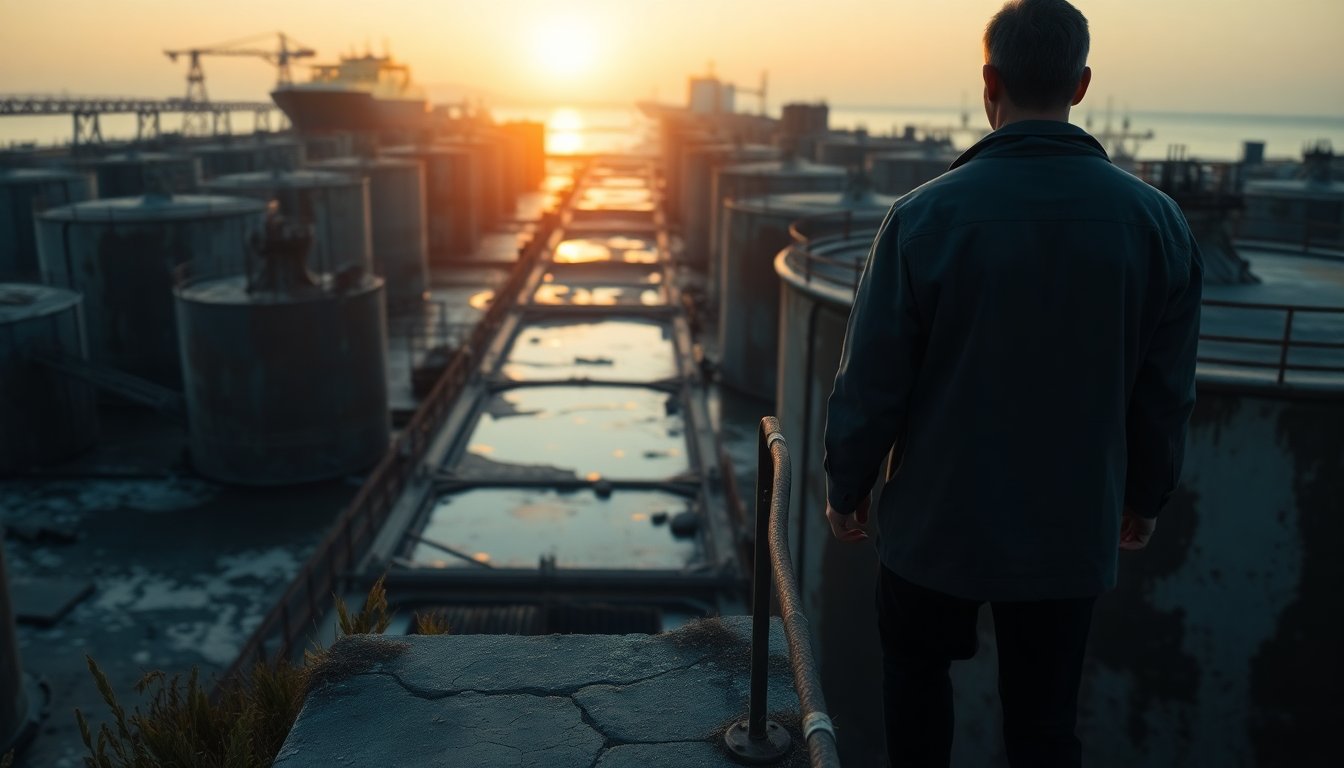
As reported on 28/04/2026, Iran is accumulating large volumes of oil that it cannot sell or ship, and authorities have begun storing that crude in old, out-of-service facilities. The move has been described by observers as a stopgap measure by Tehran to buy time while regional tensions and shipping interruptions limit its ability to get barrels to market. The accumulation is not merely an accounting issue: it represents a growing logistical challenge for a country whose oil industry depends on moving crude from wells through pipelines onto tankers, and now into improvised storage.
In late April 2026 several U.S. voices and analysts raised alarms about what happens when production cannot be exported. On 26/04/2026 former U.S. president Donald Trump warned that, if loading and shipping remain blocked, the internal systems of wells and pipelines could fail — using the stark image that pipelines and production lines might “explode” within three days. That warning, whether literal or rhetorical, highlights the technical risk posed by sustained bottlenecks: when export capacity is constrained, pressure management and storage planning become urgent engineering problems.
How crude ends up in old storage
The mechanics are straightforward but consequential. With tanker movements curtailed by regional conflict and sanctions-related frictions, Iranian operators face chronic export bottlenecks and limited access to regular loading points. Unable to move crude onto ships, the oil accumulates at terminals and has to go somewhere, so some volumes are being diverted into derelict tanks. By derelict tanks we mean storage infrastructure that is no longer in active service, often lacking the pumping, heating or monitoring systems of modern terminals. Keeping oil in such facilities reduces immediate losses but introduces operational hazards and environmental risks, from leaks to contamination.
Technical hazards and economic implications
When production cannot be shipped, the risk runs beyond simple revenue loss. Crude reservoirs and surface equipment require steady throughput to maintain designed pressure regimes and safe operating parameters. Prolonged inability to offload product can cause reservoir pressure complications, forced flaring, and equipment strain. Analysts caution that even temporary solutions like tanking crude in abandoned sites may leave fields and processing plants damaged, reducing long-term output. Some statements have been dramatic — including the idea that damaged systems might only be recoverable to about half their previous capacity — but even modest declines would reverberate through markets already sensitive to Iranian volumes.
What Washington and regional actors are saying
U.S. officials have publicly pressed Tehran to resolve logistics and de-escalate, while suggesting alternatives for engagement short of confrontation. Reports paraphrase U.S. comments as inviting Iranian negotiators to come to talks or call to avert technical calamities, a posture that mixes pressure and an offer to assist. Diplomatically, Iran has been active too: Iranian Foreign Minister Abbas Araghchi met regional hosts, including a reception in Muscat, as part of shuttle diplomacy that also includes outreach to Moscow. These movements reflect a dual strategy of managing immediate storage problems and seeking political space to reopen export channels.
Possible scenarios and the near-term outlook
Looking ahead, several pathways exist. Tehran may cut production to match available storage and shipping capacity, sell through clandestine routes at a discount, or undertake accelerated maintenance and transfers to more secure facilities. Each option carries trade-offs: lower output reduces income and influence, clandestine sales risk penalties, and rapid transfers raise safety concerns. Markets and regional consumers face a race: either buyers accept tighter availability and higher prices, or producers take technical and economic hits. For now, monitoring continues and engineers and diplomats alike are working to keep pressure from becoming permanent damage.
In sum, the decision to stash unsold crude in derelict tanks is a temporary fix that reveals deeper vulnerabilities in both infrastructure and geopolitics. The coming days and weeks will show whether storage improvisation is enough to avoid lasting harm, or whether the strain on production lines and export routes will force harder choices with global implications.


