
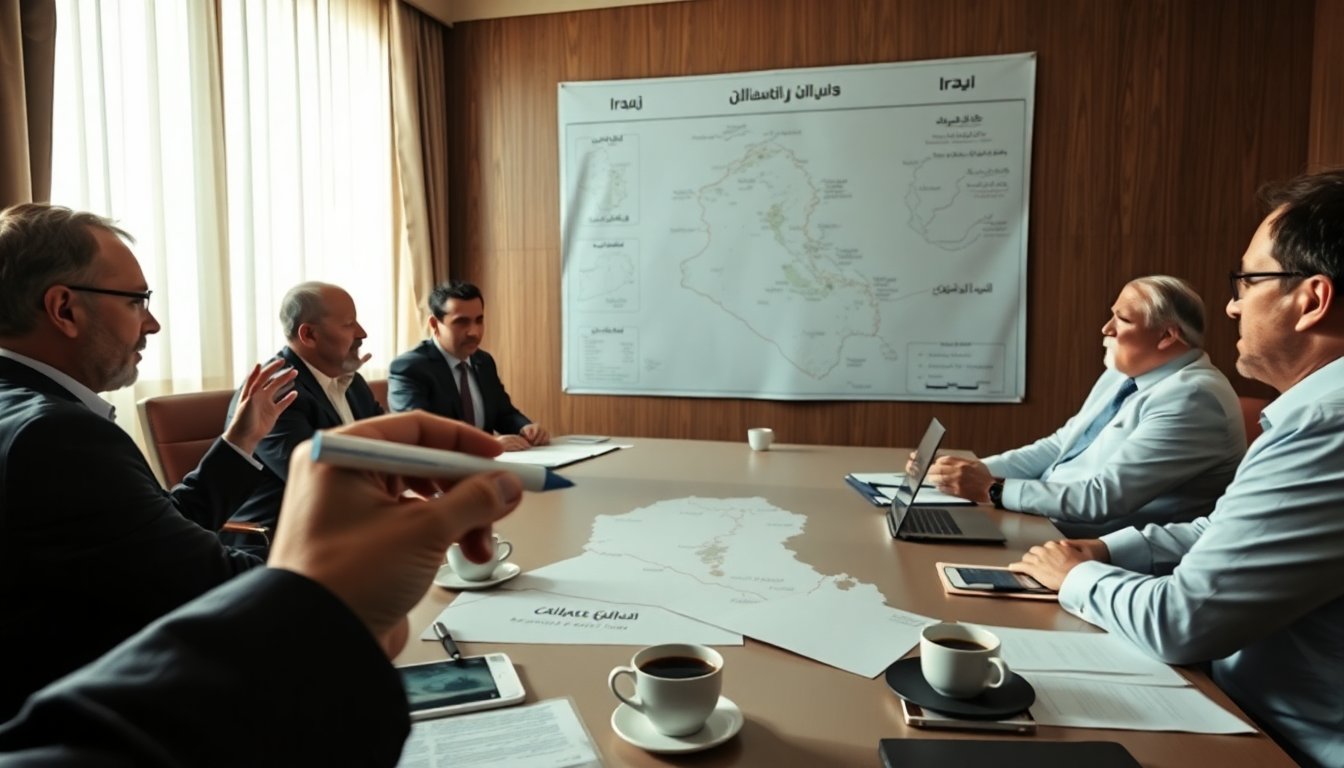
The recent elections in Iraq have revealed a complex political landscape. The coalition led by the prime minister has emerged as the frontrunner. However, the strong performance of Iran-backed militias indicates that establishing the next leadership will not be straightforward. This situation is likely to initiate a prolonged period of negotiations, potentially reshaping governance in the country.
As the election results are analyzed, it is clear that they signify a power struggle that may persist for months. Various factions are competing for influence, creating a challenging political environment that will require careful navigation.
The electoral landscape and implications
In these elections, the coalition led by the prime minister secured a significant share of the vote, reflecting some level of public support. However, the presence of strong Iranian-backed groups complicates the situation. These factions have shown their ability to mobilize effectively and influence political discourse in Iraq.
The rise of Iranian influence
The Iran-backed militias have made substantial gains and entrenched themselves within the political framework. Their success stems from various factors, including strategic alliances and a robust grassroots presence. As they continue to gain influence, their role in forthcoming negotiations will be crucial.
Moreover, Iran’s influence in Iraqi politics is significant. With deep-rooted ties and a shared ideological framework, these militias are positioned to shape Iraq’s future, raising concerns about foreign influence over domestic affairs.
Challenges ahead for coalition building
Following the election results, the prime minister’s coalition faces the challenging task of forming a government. This process will necessitate extensive dialogue and compromise among various factions, each with distinct agendas and priorities. Collaboration is essential, as failure to unite could lead to increased instability.
Negotiation dynamics
The dynamics of negotiation will be intricate. The coalition must engage with not only the Iran-backed groups but also other influential political entities in parliament. Each party brings different interests to the table, complicating consensus-building.
Additionally, the potential for conflict emerges when these interests clash. If the coalition does not adequately address the demands of all stakeholders, it risks alienating key players and fostering distrust. This situation could result in a fragmented political landscape characterized by ongoing power struggles.
Looking ahead: what’s next for Iraq?
As Iraq navigates this uncertain political climate, the focus will be on the leaders’ ability to implement effective governance. The forthcoming months will be critical as discussions unfold, with the potential for both collaboration and contention remaining high.
The implications of these elections extend beyond immediate power dynamics. They underscore the need for a political framework that accommodates diverse voices and fosters national unity. Only through such efforts can Iraq hope to achieve stability and progress.
As the election results are analyzed, it is clear that they signify a power struggle that may persist for months. Various factions are competing for influence, creating a challenging political environment that will require careful navigation.0


