
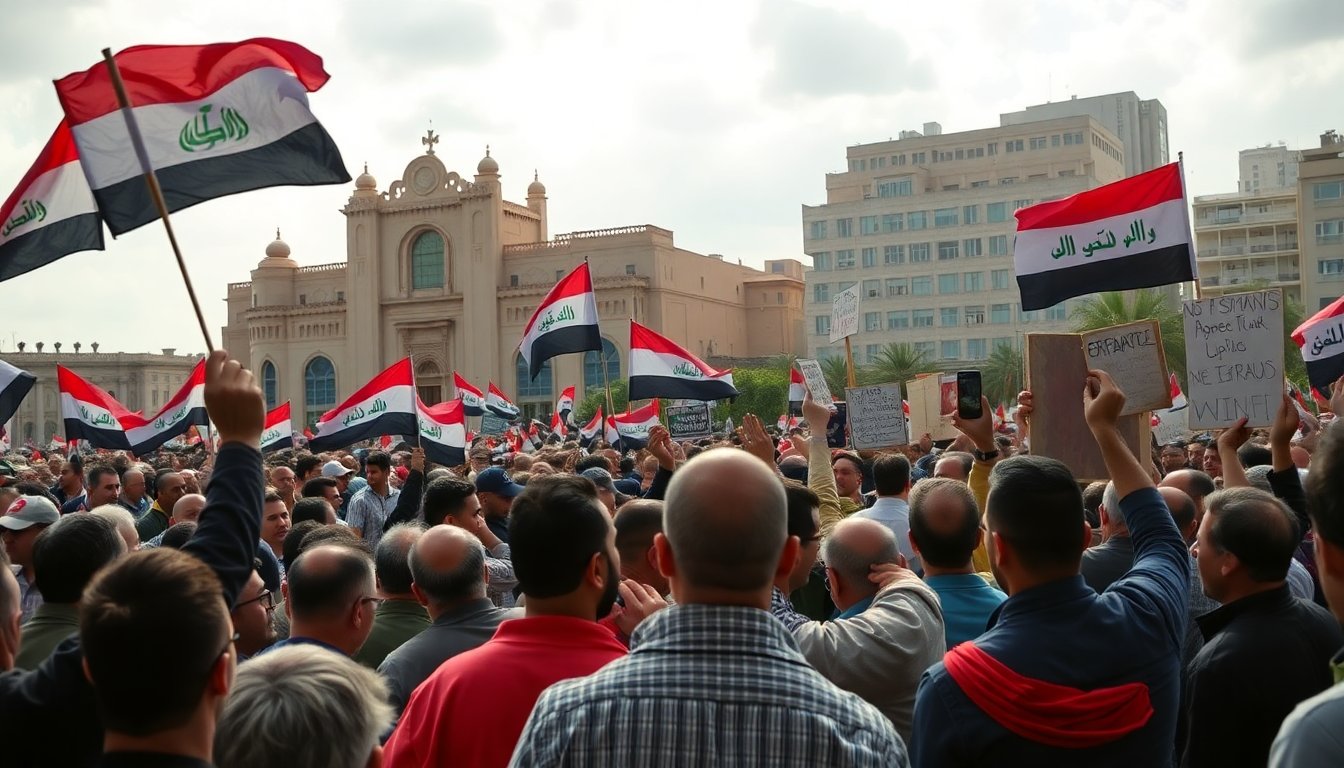
The recent elections in Iraq have marked a significant moment in the nation’s political journey, presenting a landscape that is both promising for negotiations and fraught with potential discord. While the coalition led by the current prime minister has secured a leading position, the substantial performance of Iran-backed militias complicates the situation considerably. This development indicates that intense discussions will be necessary in the months ahead to determine Iraq’s next leader.
As Iraq navigates this complex political terrain, the implications of the election results extend beyond mere statistics. The interplay of power among various factions is likely to influence the country’s governance and stability, making it essential to understand these dynamics to grasp how Iraq’s future may unfold.
Initial election results and implications
Following the election, the prime minister’s coalition emerged as the frontrunner, which would typically suggest a clear path forward. However, the significant showing of militia groups, many with close ties to Iran, introduces a layer of uncertainty. These militias wield considerable influence and represent a faction that could disrupt the political balance if their interests are disregarded.
Understanding the role of Iranian-backed militias
The presence of Iranian-backed militias in the election results highlights the intricate nature of Iraq’s political landscape. These groups have played a crucial role in regional conflicts and have established a substantial foothold in Iraqi politics. Their ability to mobilize support and exert pressure on political processes raises serious questions about the future direction of governance in Iraq.
As these militias gain visibility and influence, the potential for political fragmentation increases. They may leverage their electoral success to negotiate for greater representation or influence within the new government, leading to a protracted power struggle as various factions contend for control.
The path to leadership selection
The journey to select the next leader of Iraq is likely to be lengthy and challenging. With multiple stakeholders involved, including traditional political parties and emerging militia groups, the negotiation process is expected to face significant obstacles. Achieving consensus among diverse factions will be vital, as sidelining any significant player could lead to unrest.
Challenges ahead for coalition building
Building a coalition in such a fragmented environment will require strategic diplomacy and compromises. Leaders must navigate the interests of various groups while maintaining a semblance of unity. The prime minister’s coalition may need to reassess its approach to include voices from the militia groups to foster stability and prevent further divisions.
Moreover, the international community is closely monitoring Iraq’s political developments. Countries with vested interests in the region, including Iran and Western powers, may influence the negotiation process, seeking to secure their own strategic goals. This external pressure could further complicate internal dynamics.
A precarious future
As Iraq enters this new political phase, the outcomes of the recent elections serve as a reminder of the delicate balance of power within the country. Although the coalition led by the prime minister may have initially garnered the most votes, the presence of influential militias suggests that a straightforward path to leadership is far from assured. The coming months will determine whether Iraq can establish a government that genuinely reflects the diverse interests of its populace or if it will be mired in prolonged negotiations and potential conflicts.
The need for effective governance and stability is critical for Iraq. How these political dynamics unfold will have profound implications for its future. As the nation grapples with the realities of its electoral outcomes, the pursuit of cohesive and representative leadership remains a top priority.


