
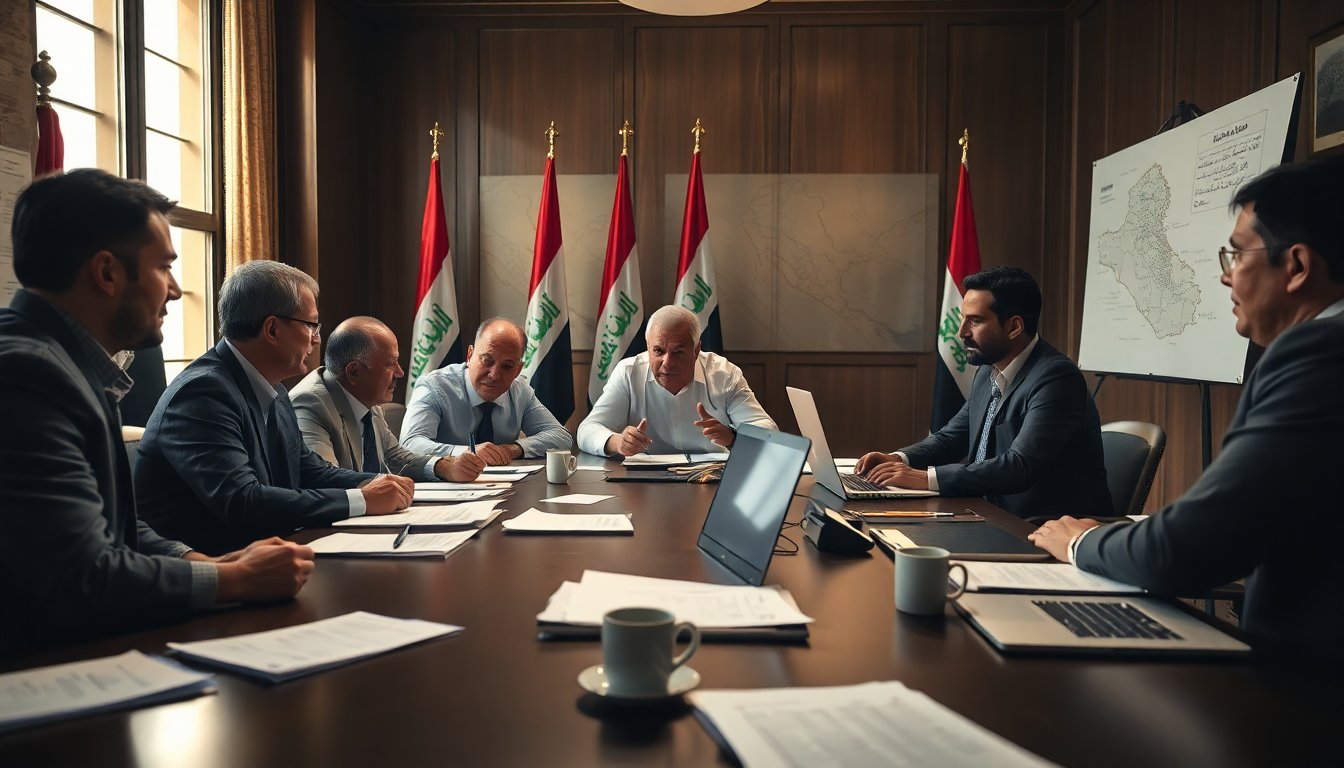
The recent parliamentary elections in Iraq, held on November 11, have led to significant political consequences for the nation. The coalition led by Prime Minister Mohamed Shia al Sudani has secured a notable lead, setting the stage for complex negotiations among various factions. This election, the sixth since the fall of Saddam Hussein, underscores the ongoing struggle for stability in a region characterized by intricate alliances and historical tensions.
Election outcomes and implications
Documents in our possession show that the Coalition for Reconstruction and Development, associated with al Sudani’s political faction, has secured approximately fifty seats in parliament. This positions the party as a significant influence in Iraqi politics. The investigation reveals that this electoral success coincides with rising expectations among the Iraqi population. Citizens seek improvements in employment, infrastructure, education, and healthcare. However, evidence collected indicates that the path ahead is complicated. Endemic issues such as corruption and ineffective governance present substantial obstacles that the new parliament must address.
Negotiations on the horizon
The formation of a new government in Iraq is expected to involve extensive discussions. Various factions aim to address the diverse aspirations of the Iraqi people. The current political climate requires careful balance between the interests of two key allies: Iran and the United States. Both countries are deeply invested in Iraq’s stability, especially amid rising regional tensions.
Challenges of governance
Following the elections, the new Iraqi government faces significant challenges in navigating its complex political landscape. The electoral commission reported a participation rate exceeding 55%, marking a notable increase compared to previous elections. This rise in voter engagement occurred despite a boycott from influential Shiite leader Muqtada al Sadr, who criticized the electoral process for being driven by sectarian interests. This increased participation indicates a growing desire among citizens for a more representative political system.
International perspectives
The recent election outcomes have garnered attention from both Iran and the United States. Iran seeks to preserve its influence in Iraqi affairs, especially as its regional allies encounter difficulties amid ongoing conflicts. Conversely, the United States expresses concern over the actions of Iranian-backed militias, pressing the Iraqi government to disarm these groups. The U.S. maintains approximately 2,500 troops in Iraq, highlighting its commitment to fostering a stable and sovereign Iraqi state.
The future outlook
The political journey ahead for Iraq is expected to involve extensive negotiations as coalitions form and leaders compete for key positions. The presidency, traditionally held by a Kurdish individual, and the speaker of parliament, typically a Sunni, will be central to these discussions. The delicate balance of power among Iraq’s ethnic and religious groups will be vital in determining effective governance and fulfilling the public’s aspirations.
As Iraq enters this new chapter, addressing the urgent needs of its citizens will be a top priority. The government must navigate external pressures and internal divisions to operate effectively. The outcomes of these negotiations will not only influence Iraq’s political landscape but will also have implications for broader stability throughout the Middle East.


