
Table of Contents
The situation between Israel, Iran and a widening set of regional actors intensified as Israeli forces struck facilities inside Iran, including sites near Tehran that the Israeli military said were linked to ballistic missile production. The strikes came ahead of a planned United Nations Security Council meeting called to address recent attacks on Iranian civilian infrastructure. Across the region, sirens and warnings sounded as missiles and drones were exchanged and Gulf states reported damage to ports and shipping.
Diplomatic initiatives and military deployments unfolded in parallel: Washington circulated a 15-point proposal for a ceasefire via intermediaries while Tehran countered with its own five-point plan. At the same time, the United States ordered additional forces into the region, and energy markets reacted sharply to threats to the Strait of Hormuz. Humanitarian agencies warned of mounting civilian harm as urban areas reported widespread damage.
Military strikes and strikes on infrastructure
Israeli authorities said the operation struck targets “in the heart of Tehran” and hit facilities in western provinces used to manufacture and store ballistic missiles and other weapons. The Israeli Defense Forces reported additional strikes across Iran aiming to degrade missile production and launch capabilities. Smoke was observed over other regional capitals, and sirens sounded across Israel as air defenses engaged incoming threats. Gulf states — including Bahrain, Qatar and the United Arab Emirates — recorded warnings as Iran continued to fire missiles and drones toward neighbors, and Kuwait confirmed that Shuwaikh Port sustained material damage while avoiding casualties.
Diplomatic standoff and ceasefire proposals
Washington pressed Tehran to accept an intermediary-delivered 15-point action list that included limitations on Iran’s nuclear activities and measures to reopen the Strait of Hormuz to free navigation. Iran rejected that package and offered a separate five-point proposal demanding reparations and formal recognition of its control over the strait. U.S. political leaders publicly demanded a negotiated pause but also signaled readiness to use force: the U.S. president ordered a temporary, 10-day pause on U.S. strikes against Iranian power facilities after earlier threatening to target electric infrastructure if shipping routes were not restored.
Troop movements and force posture
While diplomacy continued, the Pentagon moved additional units into the theater. Reports indicated roughly 2,500 Marines were being deployed aboard naval vessels, and at least 1,000 paratroopers from the 82nd Airborne were ordered toward the region, units that are trained to seize and secure critical terrain and airfields. These deployments accompanied statements about protecting shipping lanes and deterring further escalatory steps after attacks that disrupted global trade and energy flows.
Economic and maritime pressure
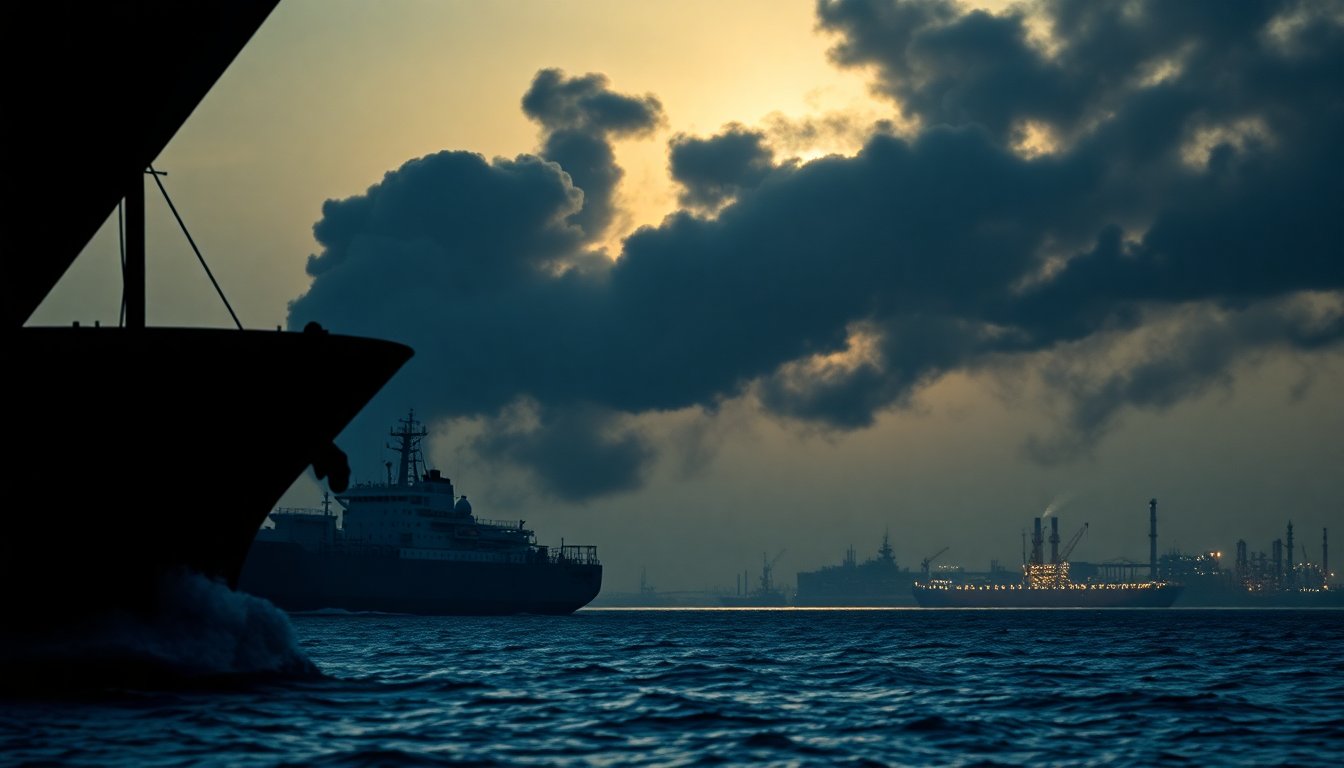
Iran’s actions have extended beyond missile and drone strikes to the maritime domain. Intelligence and shipping reports suggested some vessels were taking Tehran-approved routes through Iranian waters and that at least two ships accepted payments for guaranteed passage. There are also public reports alleging Iran may have deployed naval mines, heightening fears that the conflict could choke global oil supplies. Markets responded: the international Brent crude benchmark traded above $107 per barrel, reflecting steep increases since the start of the campaign.
Humanitarian impact and international response
Relief organisations described extensive damage to civilian areas across Iranian cities, reporting that homes, hospitals and schools had been damaged or destroyed. The Norwegian Refugee Council warned that continued fighting risks a much larger displacement crisis. Official tallies cited by authorities and ministries put the death toll at more than 1,900 people in Iran, with civilian and military casualties across the broader theater: roughly 18 deaths in Israel, at least 13 U.S. service members, more than 1,100 deaths in Lebanon, and dozens killed in Iraq, the West Bank and Gulf states as hostilities broadened to include militia and proxy actions.
The UN Security Council scheduled closed consultations to discuss the strikes on civilian infrastructure amid a chorus of appeals to prevent a further humanitarian catastrophe. Observers warned that without an agreed pathway toward ceasefire and secure shipping, the region could see even wider instability with far-reaching economic and human costs.