
Table of Contents
Israel confirms return of final hostage remains
In a significant development, Israel has confirmed the return of the remains of the final hostage, Rani Gvili, from Gaza. This event marks a painful closure to a tragic chapter in the saga of hostages taken by Hamas, which has profoundly affected both Israeli society and the families involved. The ordeal commenced on October 7, 2026, when several hundred individuals were captured during a surprise attack, leaving an enduring scar on the nation.
Background of the hostage crisis
The hostage situation began with a brutal assault by Hamas, resulting in the deaths of over 1,200 individuals and the abduction of many others to Gaza. This traumatic event ignited widespread concern and activism within Israel, prompting citizens to rally for the safe return of their loved ones. Over the years, various efforts have been made to negotiate for the release of hostages, with some being freed through ceasefires and prisoner exchanges. However, the fate of the remaining captives remains uncertain, casting a long shadow over the nation.
Recovery operations and military efforts
Following extensive military operations, the IDF successfully located and recovered the remains of Gvili, who held the rank of St.-Sgt.-Maj in the Israeli military. The recovery efforts faced significant challenges, as the military worked against the clock to secure Gvili’s remains before the reopening of the Rafah Border Crossing. His identification represents a crucial moment, allowing Israel to account for all hostages taken during the crisis.
Political implications and community response
The return of Gvili’s remains has significantly impacted the political landscape in Israel. Prime Minister Netanyahu has announced plans to honor Gvili’s legacy by naming a new town in the Negev after him, highlighting his status as a national hero. This decision has elicited mixed emotions among citizens, who express both sorrow and a sense of relief that this painful chapter is finally closing. Rani Gvili’s story resonates deeply with many families who have endured the heartache of losing loved ones amid the ongoing conflict.
Reflections from the community
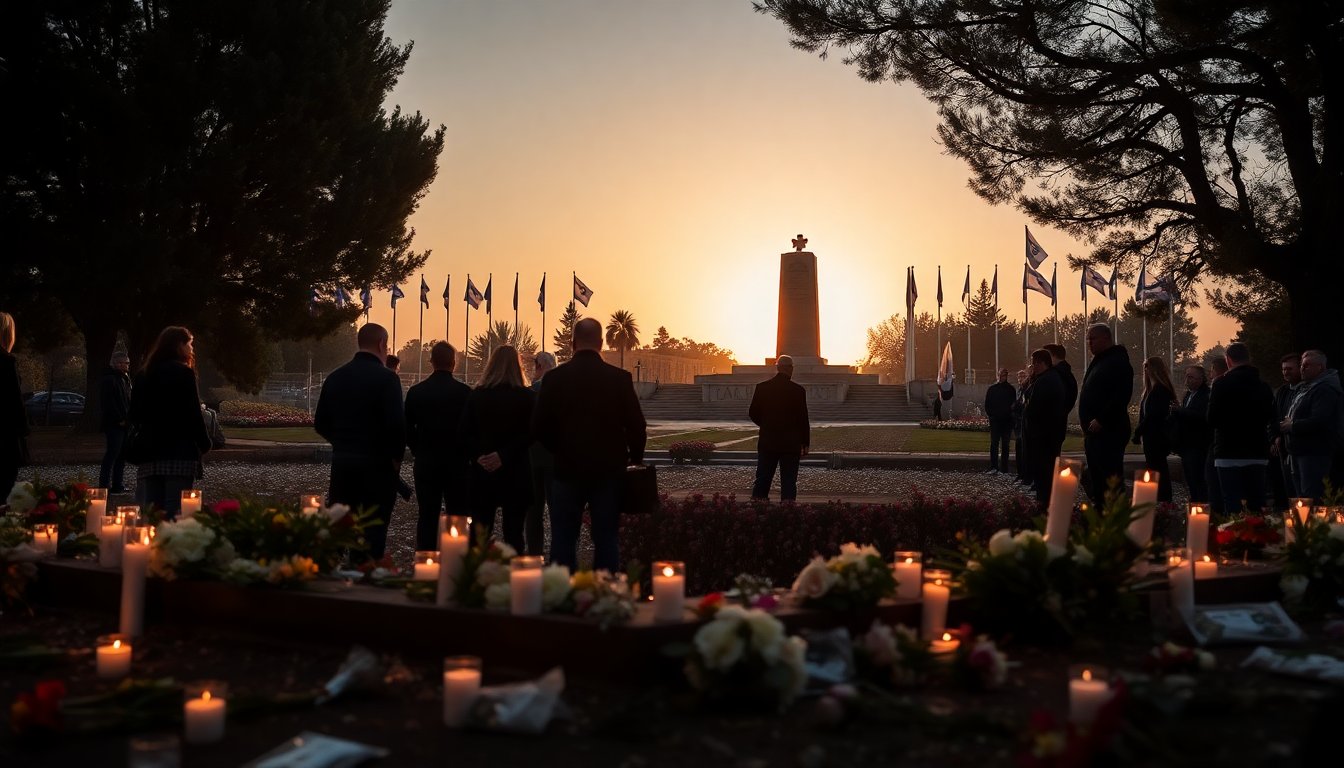
Communities across Israel have been profoundly impacted by the loss and the subsequent return of Rani Gvili’s remains. Leaders and citizens have come together in mourning, honoring Gvili’s sacrifice. This event has ignited discussions about the long-term effects of hostage crises and the urgent need for a comprehensive approach to achieving peace in the region. Many view the return of Gvili as a potential catalyst for renewed efforts toward reconciliation and stability.
Looking ahead
As Israel navigates this painful chapter, the focus now shifts toward rebuilding and healing. The government faces mounting pressure to address the root causes of such conflicts, while families of victims and former hostages continue to seek justice and recognition for their suffering. Rani Gvili’s story will remain etched in the collective memory of the nation, symbolizing both profound loss and resilience.
The return of the final hostage remains signifies a moment of closure for many, but it also sparks broader discussions about Israel’s future. Through remembrance and dialogue, the country can work towards a more peaceful path, honoring the sacrifices made by individuals like Gvili and others affected by the violence.