
Table of Contents
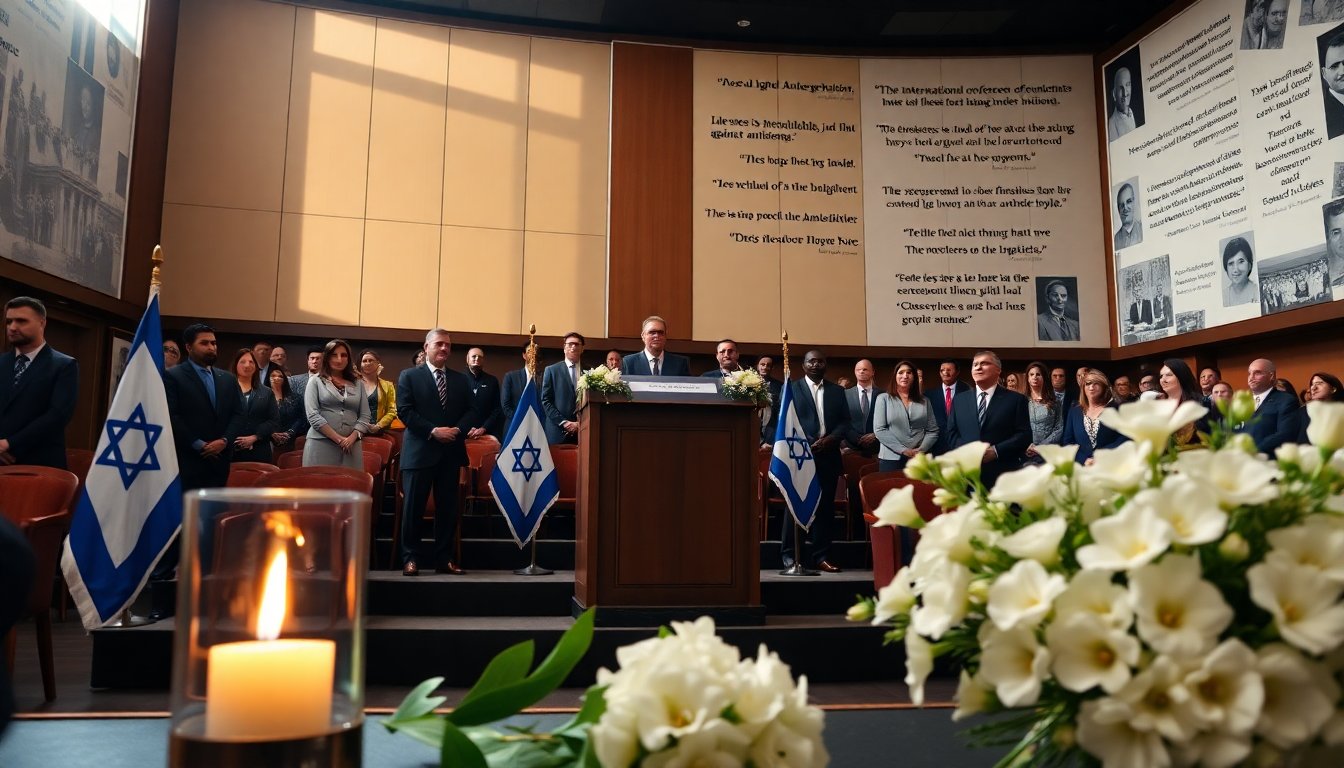
In a significant move, Israel is preparing to posthumously honor Charlie Kirk, a noted figure in the conservative movement, for his unwavering dedication to combating antisemitism. This recognition is expected to take place during the International Conference on Combating Antisemitism, as reported by the Associated Press, based on statements from the office of Israeli Prime Minister Benjamin Netanyahu.
Kirk, who was the founder of the influential conservative organization Turning Point USA, tragically lost his life in September during an event at Utah Valley University. His assassination shocked many and left a void in the fight against hate.
Netanyahu’s tribute to Kirk
Following Kirk’s untimely death, Prime Minister Netanyahu expressed deep admiration for the activist. In a heartfelt message posted on social media, he referred to Kirk as a “lion-hearted friend of Israel”, someone who fought valiantly for Judeo-Christian values. Netanyahu’s words reflected the impact Kirk had on the pro-Israel community, highlighting his strong belief in free speech and his commitment to American values.
Less than a month before his death, Kirk made a powerful statement on social media, asserting that “Jew hate has no place in civil society”. His commitment to denouncing antisemitism was evident in both his words and actions, which resonated with many supporters and left a lasting impression.
Controversy and backlash
Despite his staunch support for Israel, Kirk faced criticism from certain factions within the pro-Israel community. During an appearance on ‘The Megyn Kelly Show’, he expressed frustration over how some supporters treated him. He stated, “The behavior by a lot, both privately and publicly, are pushing people like you and me away”, emphasizing his desire for a more inclusive dialogue. Kirk’s candidness about his experiences illustrated the complex dynamics within the conservative base regarding support for Israel.
Shifting views among young conservatives
In the wake of Kirk’s assassination, a notable shift has emerged among younger conservatives regarding their perspectives on Israel. At a Turning Point USA event shortly after his death, attendees expressed a growing discontent with American military involvement abroad and, in particular, the ongoing conflict in Gaza. Gen Z attendees shared their frustrations, with sentiments reflecting a broader trend of skepticism towards traditional pro-Israel narratives.
One attendee remarked, “Christian values are ‘all lives matter’. We shouldn’t be killing anybody. It’s got to stop”, highlighting a poignant shift in the conversation surrounding Israel and its policies. This sentiment was echoed by many young conservatives who are increasingly turning to social media platforms for news and information, leading to a more nuanced understanding of global events.
The role of media in shaping opinions
The impact of social media on public perception cannot be overstated. With platforms like TikTok becoming essential sources of news for younger demographics, there is a discernible shift in how events, particularly those in Gaza, are framed. A Pew Research Center survey indicated a substantial increase in young Americans sourcing their news from these platforms, which often showcase unfiltered footage of the realities on the ground.
As a result, traditional narratives surrounding Israel are facing scrutiny. The changing landscape of media consumption has led to a generational divide, where younger people are increasingly critical of Israel’s actions. This was evident in polling data that revealed growing disfavor towards Israel among younger Republicans, with many expressing their concerns about military aid and the ongoing conflict.
The future of pro-Israel advocacy
As Israel prepares to honor Charlie Kirk, the complexities of his legacy and the shifting attitudes among young conservatives underscore a critical moment in pro-Israel advocacy. The recognition of Kirk’s contributions may serve as a rallying point for those who seek to combat antisemitism while navigating the evolving landscape of political discourse.
With shifting views and a younger generation increasingly vocal about their concerns, the future of pro-Israel advocacy may require a reassessment of strategies that resonate with this demographic. As the conversation continues, it will be essential for leaders within the movement to adapt to these changes while maintaining a commitment to combating hate and supporting Israel.