
Table of Contents
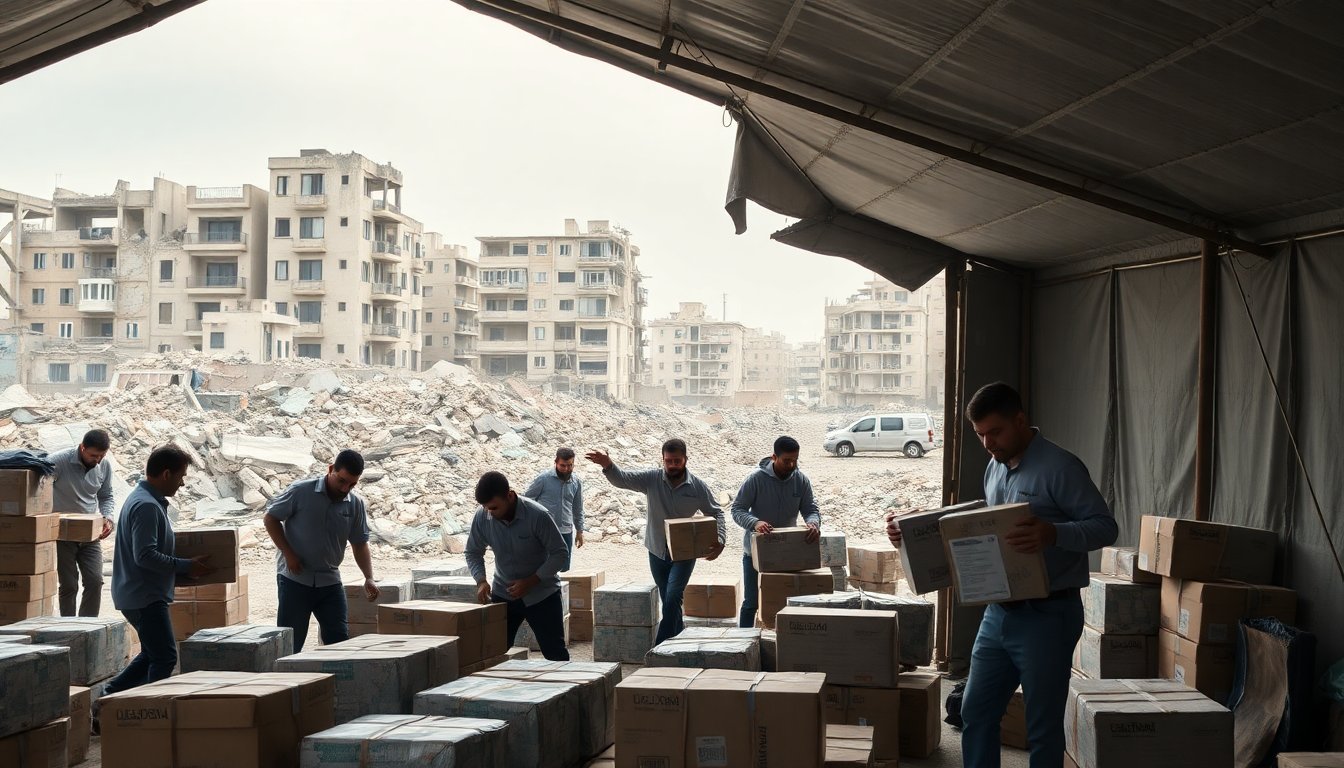
The recent announcement from Israeli authorities regarding the suspension of operations for over three dozen aid organizations in Gaza has sparked widespread concern. Effective January 1, 2026, this decision is seen as a significant blow to the already fragile humanitarian landscape within the Palestinian enclave. The ongoing conflict has left Gaza in ruins, fundamentally undermining its social and economic structures, and the latest move could deepen the suffering of its residents.
Israel has stated that these organizations failed to comply with newly imposed requirements concerning staff, funding, and operational transparency. Amichai Chikli, the Israeli Minister for Diaspora Affairs, emphasized that while humanitarian aid is crucial, it must not be exploited for terrorist activities. This assertion raises questions about the balance between security and humanitarian needs, particularly in a region grappling with devastating conditions.
Impact of the ban on humanitarian efforts
The suspension affects a range of well-known international NGOs, including Doctors Without Borders (MSF), which plays a vital role in providing medical assistance in Gaza. According to Israeli officials, MSF allegedly employed individuals with purported links to militant groups, a claim that the organization has vehemently denied, asserting its commitment to neutrality and care for patients. Without the ability to operate, hundreds of thousands of people could be deprived of essential medical services, exacerbating the ongoing humanitarian crisis.
International response and implications
The international community has reacted with alarm to Israel’s decision. A coalition of foreign ministers from various nations, including the United Kingdom and Canada, has urged Israel to allow NGOs to continue their vital work in Gaza. They have expressed deep concern over the deteriorating humanitarian situation and the potential consequences of restricting aid deliveries. The European Union has also warned that halting operations of these organizations would obstruct critical aid from reaching those in dire need.
More than 100 humanitarian organizations have accused Israel of obstructing vital assistance and have called attention to what they describe as the ‘weaponization of aid.’ The newly instated requirements for NGOs have been criticized as arbitrary and potentially dangerous, as they risk exposing humanitarian workers to harm.
Historical context of NGO operations in Gaza
This recent ban is not an isolated incident. Over the years, Israel has periodically restricted the activities of humanitarian agencies operating in Gaza. In, for instance, legislation was passed to prevent the operations of the United Nations Relief and Works Agency for Palestine Refugees (UNRWA) within Israel, based on unproven accusations against local staff. The impact of such restrictions has been dire, diminishing the capacity of these organizations to provide essential services such as education, healthcare, and food distribution.
Current humanitarian conditions
As it stands, the humanitarian situation in Gaza is dire. With more than 80% of its infrastructure either damaged or destroyed, including hospitals and schools, the population is facing unprecedented challenges. The ongoing conflict has led to widespread food shortages, with over 77% of residents experiencing high levels of food insecurity. The United Nations has reported significant loss of life among aid workers, further complicating the situation.
In addition to the physical destruction, the health system in Gaza is on the brink of collapse, with the risk of disease spreading due to inadequate access to clean water and sanitation facilities. As aid organizations prepare to withdraw, concerns mount over the fate of the two million Palestinians who rely on their support for survival.
A call for action
The consequences of Israel’s decision to suspend NGO operations in Gaza could be catastrophic, leading to further deterioration of living conditions for the already beleaguered population. Humanitarian organizations like MSF have underscored the urgency of the situation, warning that if their operations cease, countless lives will be at risk. The international community must respond with urgency, advocating for the re-establishment of aid channels and ensuring that humanitarian efforts can continue without obstruction.