
Table of Contents
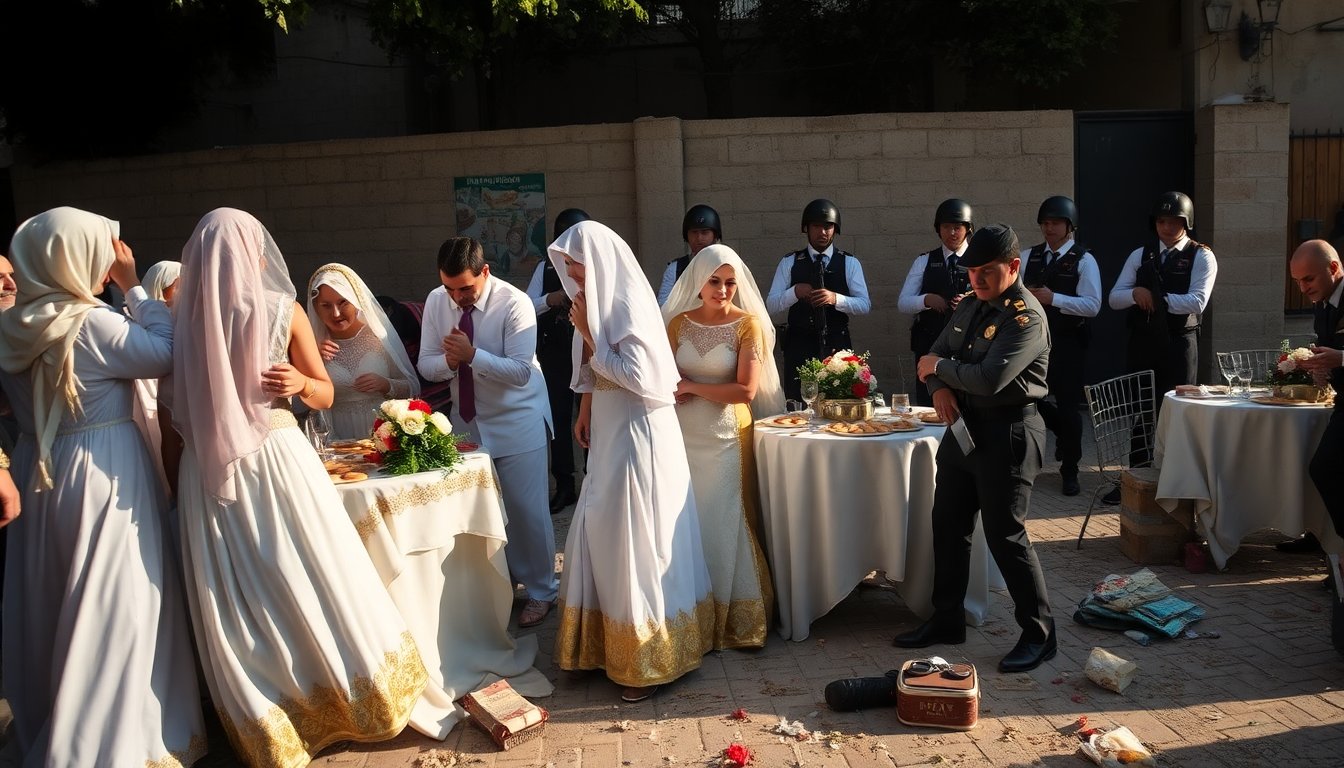
In a troubling display of tension in the region, Israeli forces stormed a wedding ceremony in occupied East Jerusalem, utilizing live ammunition and stun grenades against attendees. This incident, which occurred on January 11, 2026, not only marred a moment of celebration but also underscored the escalating violence in the area.
The wedding, a significant cultural gathering for the Palestinian community, turned chaotic as several participants, including the groom, were detained. This event reflects the broader context of the ongoing conflict and the challenges faced by Palestinians living under occupation.
The Context of Occupation
The situation in East Jerusalem and the broader West Bank has been tense for decades. Since the 1967 Six-Day War, Israel has maintained control over these territories, leading to a complex and often volatile dynamic. With nearly three million Palestinians residing in the West Bank, they endure a myriad of restrictions under military law, while Israeli settlers operate under civil law, creating a stark divide.
According to a recent report by the United Nations, the conditions experienced by Palestinians in the West Bank are described as a systematic asphyxiation of rights. This term encapsulates the oppressive legal and social framework that governs their daily lives, affecting everything from movement to basic human necessities.
Discrimination and Daily Struggles
The UN report highlights serious discrimination based on nationality, with unequal access to resources such as land, water, and housing. Palestinians frequently face land confiscations and home demolitions, which have become a routine part of life under occupation. The document asserts that the ongoing practices resemble an apartheid system, where rights are systematically denied based on ethnic identity.
Since October 7, 2026, the situation has worsened, marked by an increase in violent encounters, arbitrary detentions, and a clampdown on civil liberties. Reports indicate that the expansion of Israeli settlements has accelerated, often accompanied by violence from settlers, which is sometimes overlooked or even supported by Israeli security forces.
Recent Incidents of Violence
In the wake of the wedding raid, there have been numerous accounts of violent actions against Palestinian communities. The UN has documented a disturbing rise in extrajudicial killings and unlawful use of force by Israeli military personnel. Notably, incidents involving unarmed individuals, including children, have been reported, raising alarms regarding human rights violations.
Among the tragic cases cited is that of a ten-year-old boy who was fatally shot while unarmed. Such occurrences have prompted international outcry and calls for accountability, yet the cycle of violence appears unrelenting.
The Impact on Communities
The ramifications of these military actions extend beyond immediate physical harm. The psychological toll on affected communities is profound, as families grapple with the loss of loved ones and the destruction of their homes. Daily activities, such as attending school or visiting a clinic, become fraught with danger, effectively turning ordinary life into a perilous endeavor.
The UN’s findings suggest that the conditions faced by Palestinians in the West Bank increasingly reflect those of an apartheid system, where systematic segregation and oppression are normalized. This reality not only affects the current generation but poses a long-term threat to the stability and peace of the region.
Conclusion
The raid on the wedding in East Jerusalem serves as a stark reminder of the ongoing conflict and the challenges faced by Palestinians living under occupation. As international scrutiny intensifies, the need for a resolution that respects the rights and dignity of all individuals in the region becomes ever more urgent. Without concerted efforts towards peace and justice, the cycle of violence is likely to continue, impacting future generations.