
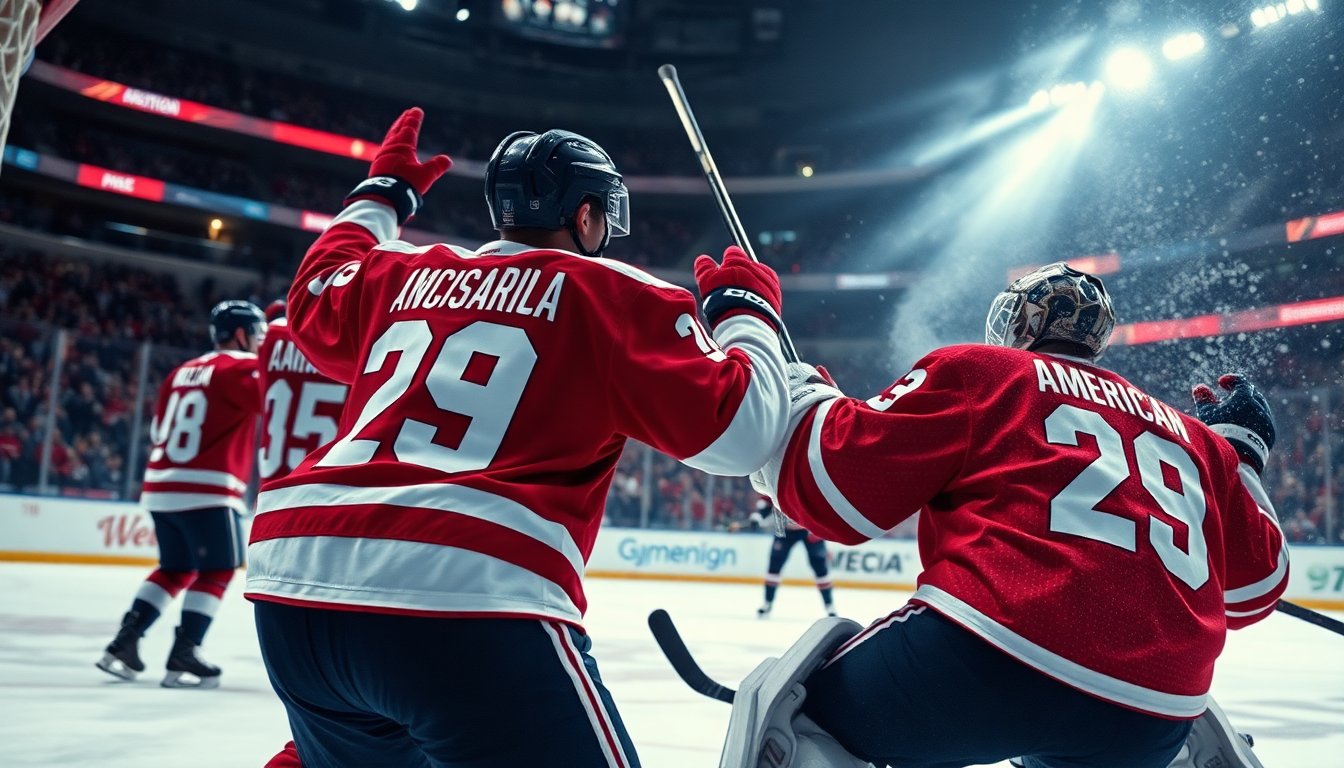
The United States ended a 46-year drought for men’s Olympic hockey, beating Canada 2-1 in sudden-death overtime at Milan’s Santagiulia Arena. Jack Hughes finished a 3-on-3 rush 1:41 into extra time, snapping a pass from Zach Werenski and burying the golden goal to complete a perfect 6-0 run through the tournament — the U.S. men’s third Olympic title and the first since Lake Placid in 1980.
How the game unfolded
Canada pushed hard, but the U.S. struck first. Matt Boldy opened the scoring six minutes into the first period with a sharp finish that rewarded early speed and structure. Canada answered late in the second when defenseman Cale Makar evened the score at 18:16, and the game settled into a tense, physical final period before the sudden-death drama.
Key performances
Jack Hughes’ overtime winner was the crescendo of a game full of high-end chances and clutch plays. Zach Werenski’s threading pass on the decisive rush was the kind of moment that separates tight contests — quick read, perfect timing, and a finish under pressure.
Goaltender Connor Hellebuyck was the backbone of the American effort. He stopped 41 of 42 shots, repeatedly robbing Canada during stretches when they dictated play and swarmed the U.S. zone. Two sprawling third-period saves in particular swung momentum back to the Americans and kept the game within reach.
Defense and discipline
The U.S. defense stayed compact and disciplined for most of the night, protecting the middle of the ice and limiting odd-man opportunities. The penalty kill was rock-solid, successfully shutting down every Canadian power play in Milan. Jake Sanderson, logged heavy minutes against top opposition and anchored the blue line with steady, physical play and smart decision-making, chipping in on the penalty kill and helping to neutralize a pivotal 5-on-3 late in the tournament.
Offense and depth
Beyond Boldy’s opening goal and Hughes’ dramatics, the American attack was balanced. Quick zone entries, clean puck movement and a willingness to attack the slot produced the higher-quality chances. Secondary scoring and depth forwards played their roles, preserving energy for the moments that mattered most.
Context and emotion
This team was a mix of veteran leadership and younger NHL talent who have come up through shared development pathways, notably the USA Hockey National Team Development Program. The roster construction — clearly defined roles, trusted veterans and high-end scorers — paid off in pressure situations.
The final also carried an emotional weight: players honored the late Johnny Gaudreau, carrying his No. 13 jersey with his family present for the medal ceremony. That gesture underscored the tight bonds within the group and added a poignant layer to an already historic night.
What it means going forward
Saturday’s gold doesn’t just fill a trophy case. It validates the U.S. development pipeline and a roster strategy that emphasizes structure, special-teams excellence and depth. Maintaining that balance — managing veteran transitions, keeping special teams sharp and continuing to develop reliable role players — will be the keys to sustaining success on the international stage.
The headline moment came at 1:41 of overtime, but the victory was built across six games of sound defense, clutch goaltending and opportunistic offense. Hughes, Hellebuyck and Sanderson delivered performances that will be remembered as defining chapters in their careers — and as the foundation of a new era for U.S. men’s hockey.