
Table of Contents
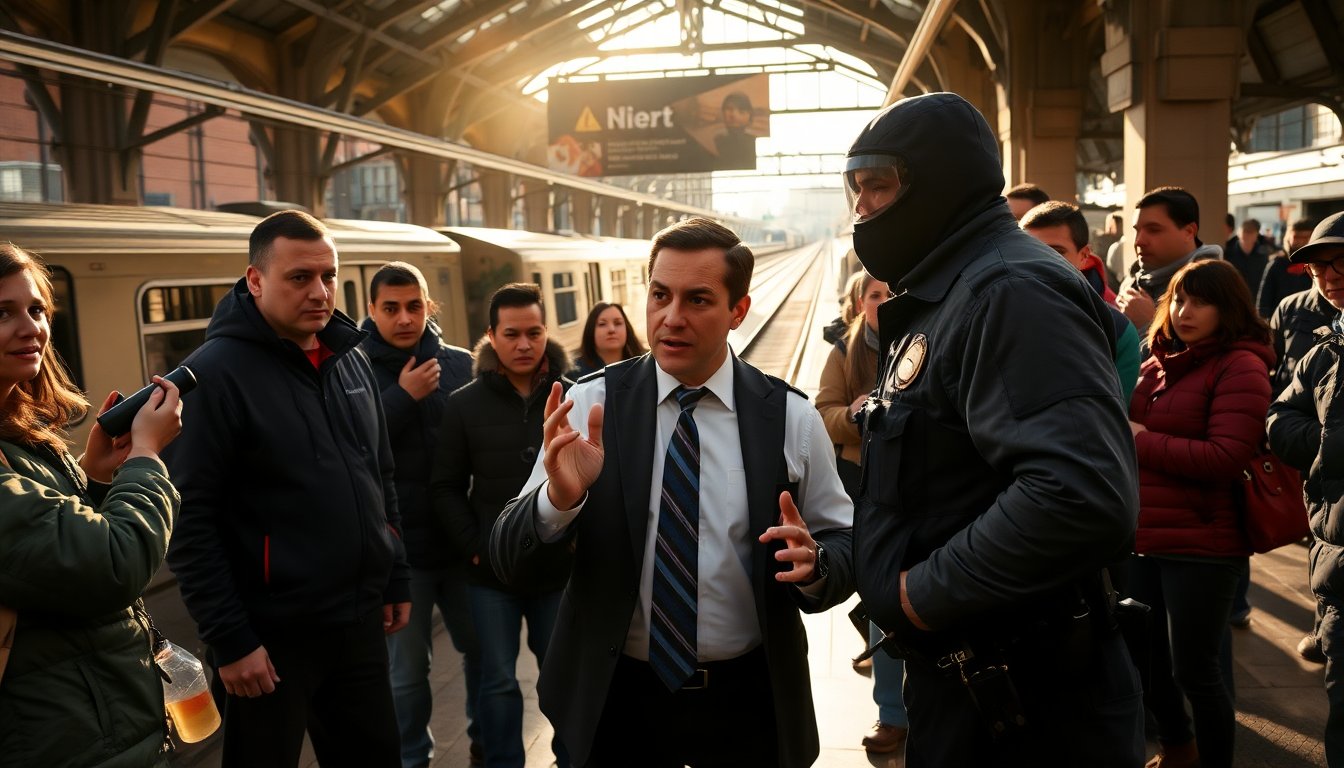
A recent confrontation in Jersey City has sparked significant debate about immigration enforcement practices. Council member Jake Ephros was filmed challenging agents from U.S. Immigration and Customs Enforcement (ICE) during an operation at a local light rail station. This incident, occurring on a Sunday, has raised alarms among both local officials and community members regarding the tactics used by federal authorities.
Details of the confrontation
The situation intensified when Ephros asked an ICE officer whether they possessed a warrant for their actions. The officer’s response—“ We don’t need a warrant, bro”—highlighted the friction between local representatives and federal agents. This exchange quickly gained traction on social media, fueling outrage and prompting discussions about the legality of ICE’s approach.
The role of local officials
Following the detainment, Jersey City Mayor James Solomon expressed alarm regarding the situation. He described the arrests as random captures of individuals commuting to work. Solomon emphasized the unsettling impact of these operations on the immigrant community. He urged residents to remain vigilant and prepared in case they or their loved ones encounter similar situations.
In Hoboken, neighboring Jersey City, Mayor Emily B. Jabbour confirmed reports of detentions occurring on an NJ Transit light rail train. Witnesses recounted seeing unmarked vehicles and ICE agents apprehending individuals, which heightened fears among local residents. Jabbour reassured her community, declaring Hoboken a fair and welcoming city, and urged residents to familiarize themselves with their rights.
Policy implications and community response
The recent events coincide with an executive order signed by Mayor Solomon, which restricts ICE agents from utilizing city-owned properties during their operations. This move reflects a growing dissatisfaction with federal immigration policies among local leaders. The mayor’s directive aims to foster a sense of security within the community and reinforce the city’s commitment to protecting its residents.
Awareness and rights
In light of these developments, local officials are encouraging residents to educate themselves on their rights. The American Civil Liberties Union (ACLU) has provided resources to help individuals navigate interactions with law enforcement, emphasizing that individuals generally require a judicial warrant before police can enter private homes unless consent is granted.
Recently, a leaked internal memo from U.S. Immigration and Customs Enforcement (ICE) revealed that agents are authorized to execute removals based on administrative warrants, which differ significantly from judicial warrants. This distinction has raised serious concerns regarding the potential for overreach and abuse of power by immigration enforcement agencies.
Local advocacy and future actions
In response to these concerning developments, local lawmakers and advocacy groups are taking action to demand accountability from federal authorities. U.S. Representative Rob Menendez has called for the impeachment of the Secretary of Homeland Security, emphasizing the need for oversight of ICE’s operations. Concurrently, Assemblyman Ravi Bhalla has encouraged residents to legally document any encounters with ICE, reinforcing the message that Hoboken and Jersey City will not tolerate what they perceive as unlawful behavior.
The situation in Jersey City and Hoboken reflects a wider national discourse on immigration enforcement and the rights of individuals impacted by such policies. As the community remains engaged and responsive to these challenges, solidarity and awareness are essential.
The recent detainments by ICE have ignited considerable backlash among local officials and residents. The actions taken by ICE agents, along with the responses from community leaders, highlight the persistent tensions surrounding immigration enforcement across the United States. As residents confront these intricate issues, the efforts of local advocacy groups and the emphasis on awareness will play a pivotal role in influencing the future of their communities.