
Comedian Jim Breuer says he and his wife were bumped from paid first‑class seats on a return flight from Honolulu — and he’s not happy about how it was handled.
What happened
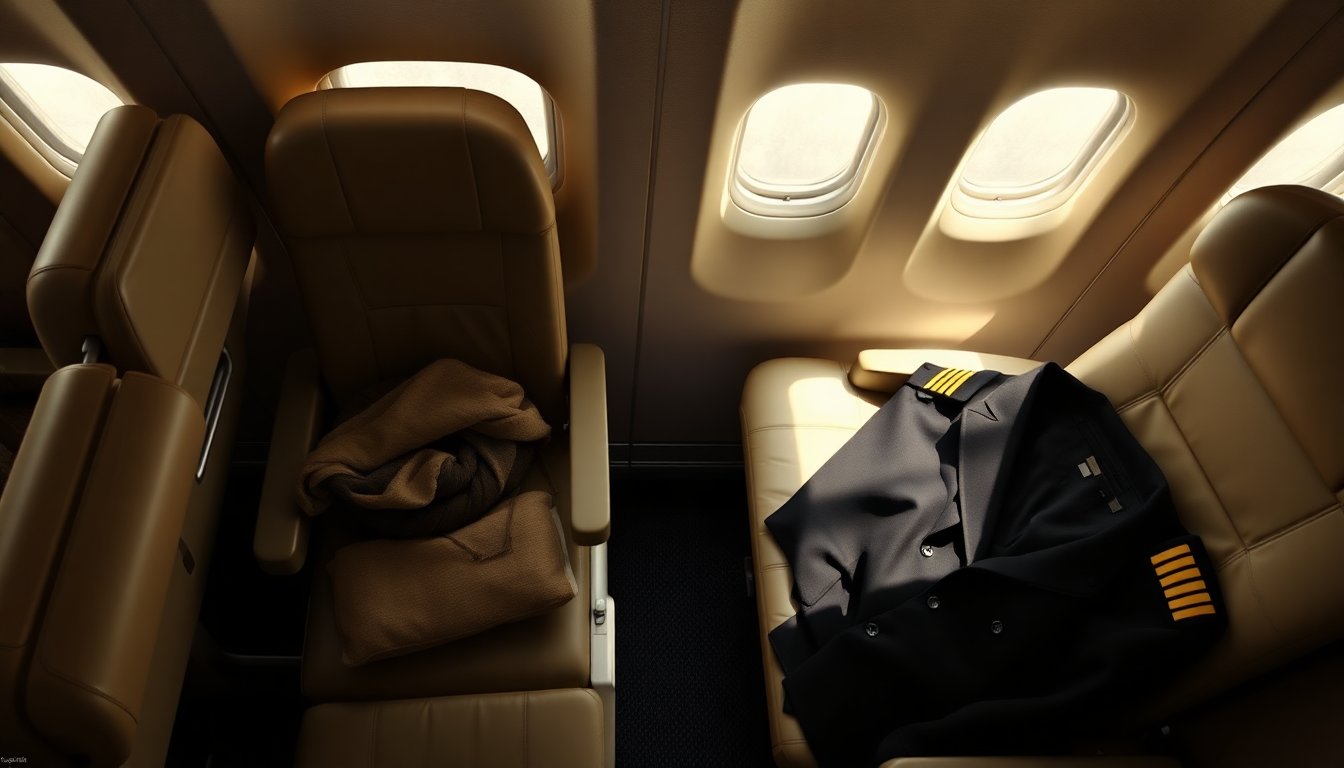
Breuer, known for stand‑up and TV work, posted a video that quickly went viral. He says the couple had purchased first‑class seats for the return leg and even preordered meals, only to be told moments before boarding that those seats had been reassigned to airline pilots. According to Breuer, airline staff gave no real explanation in person; instead, the change felt abrupt and impersonal.
The airline hasn’t given a public response in the clip, and the video doesn’t show whether Breuer and his wife accepted different seats, took a refund, or were rebooked. He described the experience as tantamount to theft and said attempts to reach a human representative produced only automated apologies. Breuer says the carrier later offered a $500 travel voucher and a $400 refund, which he rejected as insufficient compensation for two paid first‑class tickets and the lost premium experience.
Why airlines sometimes move passengers
Airlines sometimes need to move staff between cities — a practice known in the industry as deadheading. When a crew member must be at a particular airport for duty, carriers may reassign seats to ensure the crew meets rest and duty‑time rules. Companies argue this prevents cancellations and broader disruptions; critics point out it can still unfairly penalize paying customers.
These decisions are guided by each airline’s contract of carriage and by collective bargaining agreements with unions. Some contracts give repositioning crew members priority for upgrades or premium seats within a certain window before departure, which can leave full‑fare passengers unexpectedly downgraded.
Passenger rights and remedies
Regulators and consumer advocates say travelers bumped from paid seats may be entitled to compensation under certain rules or policies, but outcomes vary. Often the specifics depend on the airline’s own contract of carriage, the applicable labor agreements, and local aviation regulations. When passengers feel wronged, options include filing complaints with the carrier, appealing to aviation consumer protection authorities, or sharing the experience publicly — increasingly common on social media.
Airlines typically offer remedies such as refunds, travel vouchers, meal allowances, or alternative travel arrangements when operational moves disrupt passengers. But the adequacy of those remedies is a recurring source of dispute, especially when passengers paid for a premium experience that never materialized.
Public reaction and broader implications
Breuer’s clip sparked widespread reaction online, with others sharing similar stories about loyalty perks and perceived mistreatment. High‑profile examples like this tend to amplify scrutiny: media attention and viral posts can prompt airlines to revisit policies or change how they communicate with customers.
For regulators and consumer groups, the episode highlights gaps in transparency. Advocates argue airlines should clearly spell out what customers can expect if repositioning becomes necessary and how compensation will be handled. For carriers, the reputational fallout from poorly handled incidents can be significant, pressuring communications teams to respond personally and promptly rather than relying solely on automated replies.
What this leaves us with
The Breuer episode underscores the uneasy balance airlines must strike between operational needs and honoring paid services. Deadheading may help keep flights on schedule, but when it costs a traveler a purchased premium seat, it raises questions about fairness and customer trust. Expect continued debate — and likely closer scrutiny from regulators and consumer advocates — as these tensions play out in future incidents.