
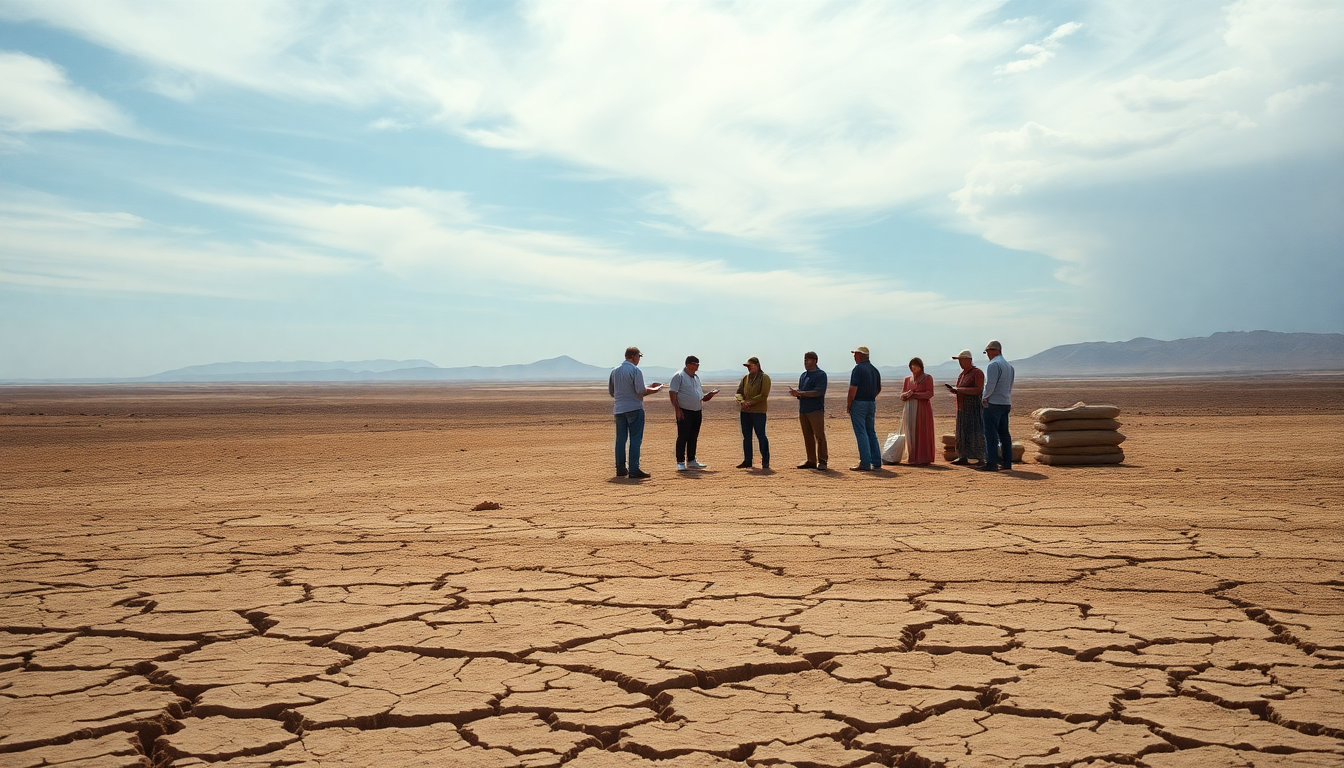
Desertification is becoming a serious issue in East Asia, especially in Mongolia and its neighboring areas. This growing concern has sparked conversations among researchers from these countries about a collaborative effort to build an ecological security barrier. Why is this so important? Well, it’s largely in response to the increasingly severe sandstorms that have been sweeping through the region, driven by stronger winds and significant land degradation. The effects of these environmental challenges don’t stop at national borders, making it clear that cooperation is key.
The Real Picture of Desertification
Desertification isn’t just a local problem; it’s a major threat to the ecological balance in East Asia. In Mongolia, nearly 80 percent of the land is currently suffering from degradation. This is alarming because it doesn’t just impact local agriculture and livelihoods—it also contributes to larger environmental issues that can spill over into neighboring countries. Can you imagine the ripple effects?
The Gobi Desert, which stretches across northern China and southern Mongolia, is a significant source of the sand and dust fueling these increasingly severe sandstorms. These storms have become more frequent and intense in recent years, a result of both natural conditions and human activities that aggravate desertification. It’s a vicious cycle that desperately needs addressing.
The Toll of Sandstorms on the Region
One of the most concerning aspects of this situation is how severe sandstorms affect air quality and public health. For instance, in 2021, China faced its worst sandstorm in a decade, with clouds of yellow dust blanketing northern provinces and leading to dangerously high pollution levels. The repercussions were devastating, resulting in fatalities and widespread disruption. Who wouldn’t be worried about that?
This highlights why the ecological security barrier project is so urgent. By teaming up, Mongolia and China hope to tackle not only the immediate effects of desertification but also create a sustainable, long-term solution that benefits the entire East Asian region. Imagine a series of green zones designed to combat desertification, improve air quality, and foster biodiversity.
Looking Ahead: Collaboration is Key
The partnership between Mongolia and China is a vital step towards addressing the broader implications of environmental degradation. By combining resources and expertise, both countries can develop more effective strategies to combat desertification and the challenges that come with it. It’s crucial to understand that environmental health is interconnected; local actions can have regional consequences. Isn’t it fascinating how everything is linked?
As researchers continue to explore the potential benefits of this ecological security barrier, there’s hope for a more sustainable future. If successful, this initiative could serve as a model for other regions grappling with similar challenges, highlighting how cooperation is essential in tackling environmental issues that cross borders. Who knows? This could be a game-changer for our planet!


