
Table of Contents
European inquiry links Alexei Navalny’s death to toxin tied to poison frogs
A joint European investigation has concluded that Alexei Navalny died after exposure to a toxin associated with poison frogs, officials and the published report say. The finding was released on 14 February.
Investigators say laboratory tests identified a compound they describe as “not occurring naturally” in the country where Navalny was held. The report concludes that the dissident succumbed to that agent while in custody, a discovery that raises urgent questions about how such a substance could reach a detention facility and what follows for legal and diplomatic responses.
What investigators found
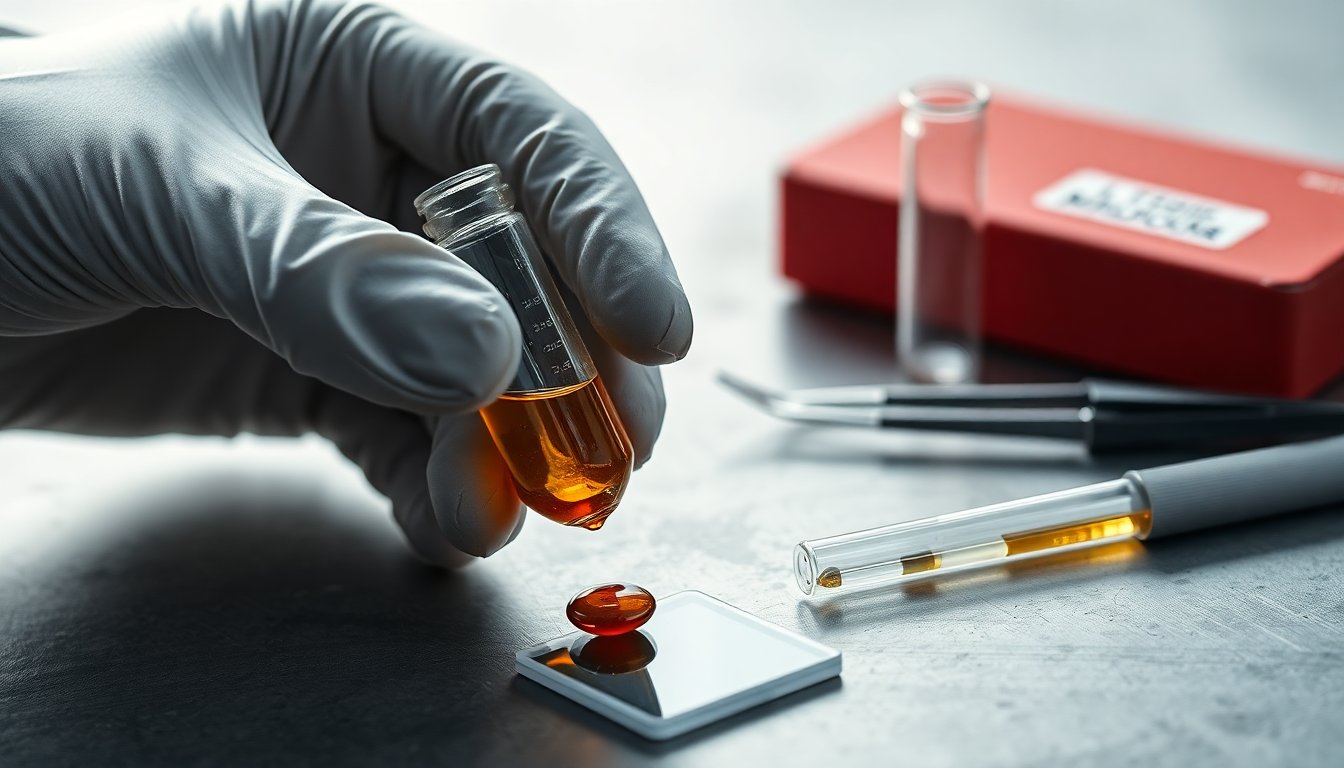
Forensic teams combined toxicological analysis, chain-of-custody review and interviews to build their assessment. Chemical assays pointed to a toxin linked to certain poison-frog species; trace signatures and the chemical profile, the report says, indicate sources outside domestic pharmaceutical and industrial channels. Investigators argue that accidental contamination inside the detention environment is unlikely.
The inquiry stops short of naming perpetrators. Instead it frames the findings as a technical assessment and recommends further, targeted steps: forensic tracing of imports, tightened controls on pathways for exotic toxins, and greater transparency around custody logs and evidence handling. The authors emphasize careful sample handling to limit contamination and to establish provenance, while urging coordinated international follow-up to chase remaining leads.
Implications for accountability and diplomacy
A toxin described as non-native to the country where the death occurred is an extraordinary detail with immediate policy implications. Governments and international agencies now face choices about mutual legal assistance, intelligence-sharing, and whether to open formal criminal or administrative probes. Legal experts consulted for the inquiry say the report could support requests for cooperation or new investigations, though the scientific assessment itself does not determine criminal guilt.
Diplomats and advisers are watching closely: the finding intensifies pressure to review detention oversight, evidence-security protocols and the procedures that govern transfer and storage of biological samples. The inquiry flagged lapses in evidence handling and ambiguous chains of command that point to systemic risks—gaps that countries receiving the report may feel compelled to address through sanctions reviews, legal referrals, or tighter custodial safeguards.
Public reaction and media framing
Coverage has ranged from sober, technical analysis to politically charged commentary. Mainstream outlets, independent platforms and investigative podcasts have all probed the findings, often pairing forensic detail with broader questions about state responsibility and protections for political detainees. Civil society groups have seized on the report to press for concrete reforms—improved custodial monitoring, mandatory international technical exchanges, and independent verification of future samples.
How this story is narrated matters. Editors and producers decide which details to highlight, shaping public memory and steering political debate. Some forums emphasize the need for immediate policy action; others use the case to revisit wider concerns about cover-ups or transnational networks. Those competing frames keep the issue in the public eye but also reveal practical obstacles: scientific clarity is only one step toward legal or political remedies, which require political will, international coordination and independent corroboration.
Next steps to watch
Expect three broad tracks in the coming weeks and months: scientific follow-up, legal or diplomatic action, and public accountability campaigns. Additional laboratory corroboration would strengthen the case for formal inquiries. States receiving the report must decide whether to escalate diplomatically or to press for joint investigations. Independent bodies could open inquiries if they find the technical work credible.
The inquiry’s central finding—that Navalny’s death involved a toxin associated with poison frogs and not known to occur domestically—adds an unusual and politically charged forensic element to an already fraught case. Turning that technical conclusion into enforceable change will depend on continued transparency in investigative procedures, routine independent review, and strengthened cross-border cooperation. Those steps—clear chains of custody for biological samples, regular monitoring of detention conditions, and international exchanges of technical expertise—are the measures experts say are necessary to preserve evidentiary integrity and public trust.