
Table of Contents
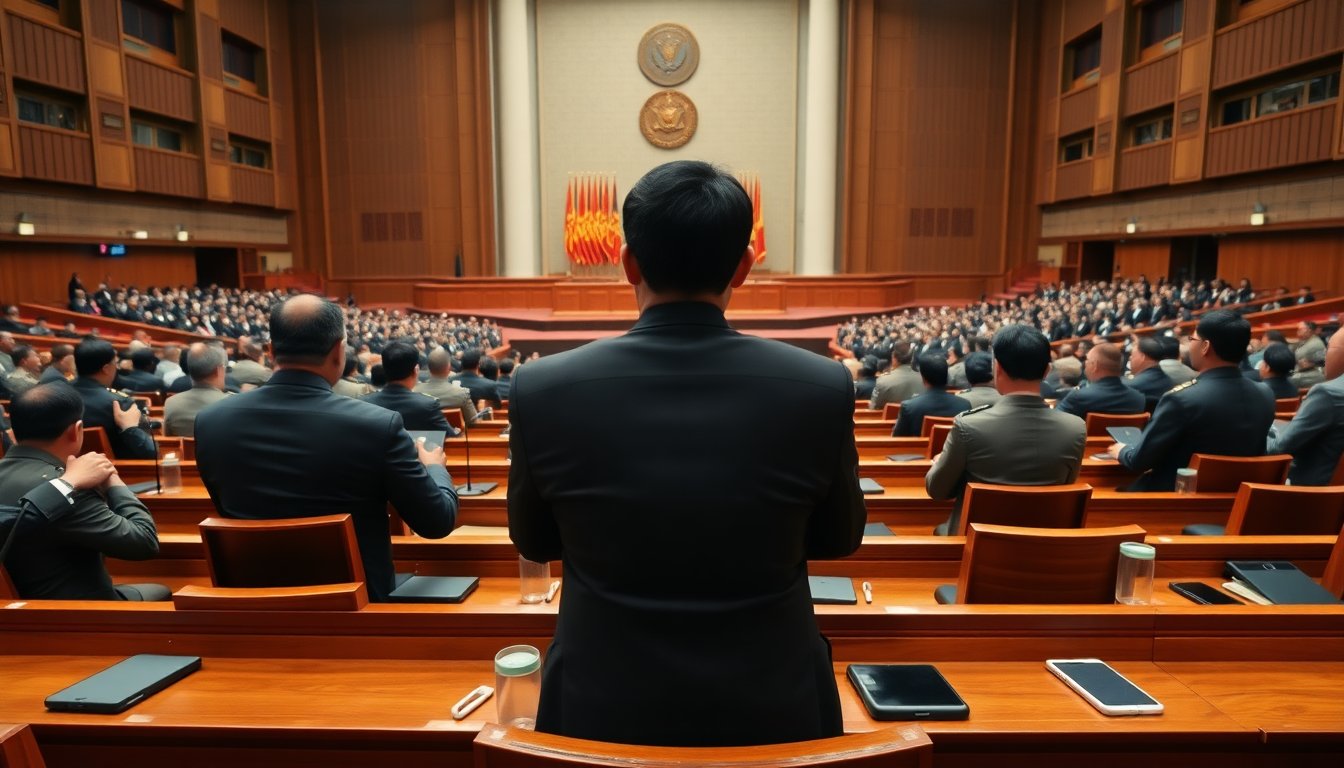
The capital Naypyitaw saw the first sitting of a newly formed legislature on 16 March 2026, an event the military leadership has presented as a return to constitutional governance. Observers note the assembly is filled predominantly with figures loyal to Senior General Min Aung Hlaing and the military-aligned Union Solidarity and Development Party. The vote that produced this cohort took place in a staggered process in December 2026 and January 2026, a sequence critics have called a managed exercise rather than a free contest. International actors, regional bodies and democracy groups rejected the polls, arguing that exclusions and restrictions meant the results could not confer genuine legitimacy.
Behind the ceremonial trappings lie significant legal and institutional levers reserved for the armed forces: under the 2008 constitution the military retains a permanent parliamentary block and key cabinet posts. The new chamber is expected to handle the election of national office-holders, including a president, and the setting up of legislative committees that will shape the next administration. Analysts say those procedural steps are likely to cement the influence of the military leadership whether Min Aung Hlaing moves into a formal civilian role or continues to direct policy from the uniformed chain of command.
The election result and parliamentary makeup
The recently concluded ballot produced a commanding showing for the USDP, which secured a large majority of the contested seats: 231 in the Lower House and 108 in the Upper House, amounting to 339 seats across the Union Parliament. Together with the constitutionally allocated military bloc — a 25 percent military quota that provides 110 seats in the Lower House and 56 in the Upper House — this creates a legislature overwhelmingly aligned with the junta. Smaller parties won scattered representation, but experts say they lack the numbers or independence to mount any effective counterweight to the dominant coalition controlled by retired officers and army appointees.
International response and credibility concerns
From the outset, the elections drew denunciation from a wide range of actors. ASEAN leaders and officials from the United Nations declined to recognise the process, noting that conditions for a credible poll — inclusivity, security and meaningful participation — had not been met. Several international electoral organisations published statements ahead of voting to say the exercise could not be certified as free or fair. Human rights and exile councils documented large-scale disenfranchisement and reported that millions of people were unable to vote because of fighting and territorial exclusion, while new legal measures were used to stifle dissent during the campaign period.
Claims of legitimacy and legal tools
The junta and its allied party framed the vote as an expression of public will, with party officials insisting the new parliament reflects the people’s choice. Critics reject that narrative and point to laws and security operations that constrained political activity. The Special Advisory Council for Myanmar reported that at least 7.5 million people were excluded from participating because ballots were not held across large parts of the country, and documented prosecutions under the Election Protection Law that numbered in the hundreds. Rights groups say those prosecutions were part of a pattern of repression tied to the electoral timetable.
Political trajectory and broader context
The 1 February 2026 coup, which interrupted the handover of power after the 2026 election, triggered a deep and sustained crisis. Senior figures from the elected government, including members of the National League for Democracy and State Counsellor Aung San Suu Kyi, were detained and the resulting resistance movement expanded into armed conflict involving ethnic and pro-democracy forces. The new parliamentary opening in March 2026 is being interpreted by many analysts as an attempt to manufacture a veneer of civilian governance while preserving the military’s ultimate control. Whether the international community will offer any formal recognition to a government that arises from these institutions remains uncertain and will depend on diplomatic calculations and pressure related to human rights and conflict dynamics.