
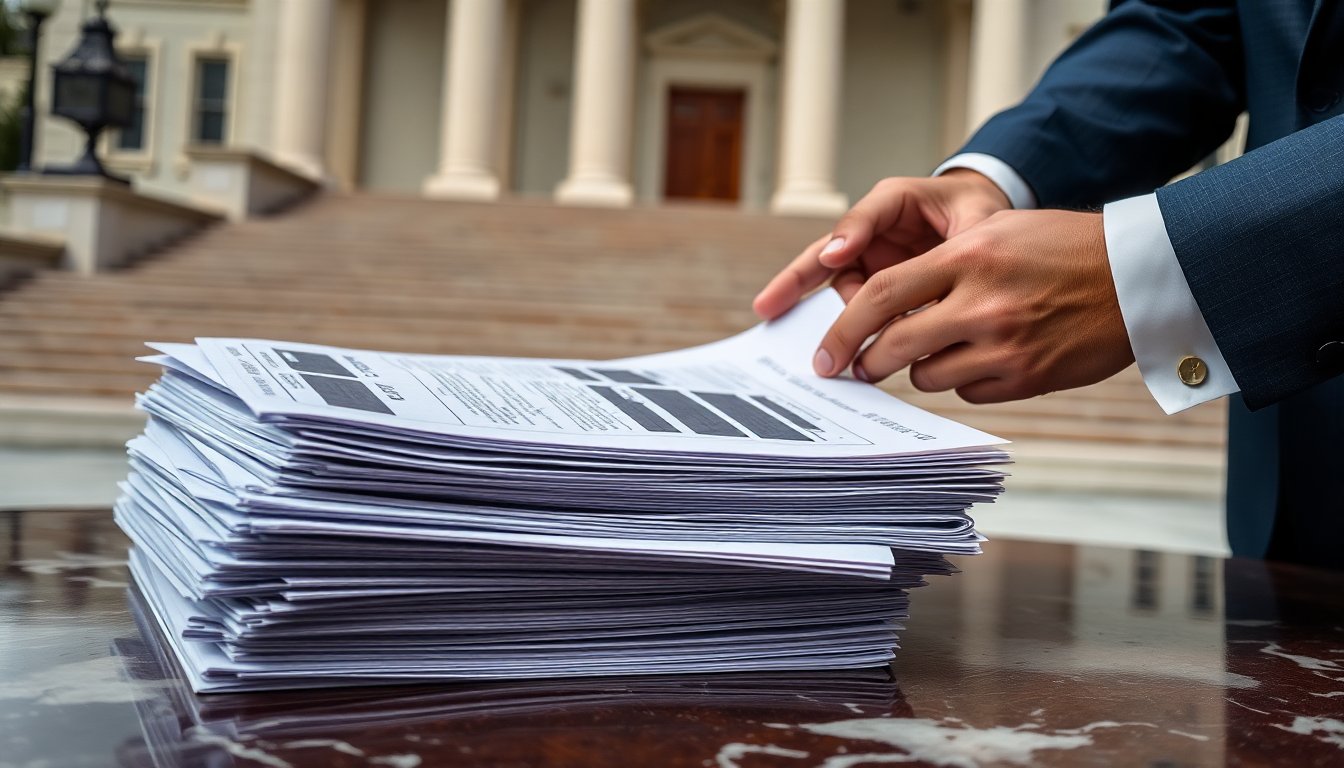
The Justice Department has opened a new front in litigation by demanding detailed state election records, setting up clashes with officials who warn that handing over unredacted files would expose sensitive personal data and intrude on states’ constitutional role in running elections. The disputes, playing out in several jurisdictions, sharpen long‑running tensions over federal oversight, voter privacy and the reach of criminal‑justice powers.
What each side says
– DOJ’s position: Department lawyers say broad access to voter rolls, absentee‑ballot logs and transactional records is essential for rooting out prohibited foreign influence, vote‑suppression schemes and other violations of federal election laws. The requests, according to the DOJ, are part of enforcing civil‑rights protections and safeguarding the integrity of federal elections.
– States’ response: Secretaries of state and local election administrators counter that unredacted records would expose personally identifiable information, heightening the risk of data breaches, doxxing and intimidation. They also invoke the Constitution’s allocation of election administration to the states and argue that sweeping productions are disproportionate when narrower, targeted inquiries could answer investigators’ questions.
What the litigation seeks and why it matters
The filings ask courts to compel entire voter‑registration files from additional states — names, registration dates, addresses and histories of election‑related transactions. Judges must now decide whether federal law permits the attorney general to demand unredacted state files and, if so, what limits and safeguards should apply. These cases will test the statutory boundaries of federal investigative power, the strength of state privacy protections, and how courts weigh investigatory needs against confidentiality and state sovereignty.
How states are fighting back
Many states have asked for protective orders, tighter redaction standards and narrower, more focused productions. They’re also challenging the scope of custodians who must search for responsive records and disputing the breadth of search requests. Legal experts see these fights as a key battleground for defining how far federal probes can reach into state election systems.
Practical, immediate questions
Election offices and the vendors that host voter data face concrete, urgent choices:
– How to redact records so privacy is preserved without destroying their investigative value.
– Which staff or custodians are required to run searches and how to limit the search scope.
– What technical safeguards — encryption, access logs, immutable audit trails — must be in place before turning over information.
What’s at stake
Agencies risk court orders, sanctions for noncompliance, reputational harm and increased regulatory scrutiny. Vendors may face contractual liability and public backlash if data is mishandled. Those practical consequences are why many officials are moving quickly to shore up policies and technical defenses.
The larger backdrop: prosecutorial controversies and public trust
These record disputes don’t happen in a vacuum. They coincide with heightened scrutiny of local prosecutors and debates over charging decisions and diversion programs in places like Travis County. That context intensifies the politics around DOJ involvement: critics sometimes portray the requests as partisan oversight, while supporters argue federal scrutiny is needed for accountability. It also raises hard questions about how much transparency the public should expect from prosecutors and how courts should protect privacy when charging data intersects with sensitive registries.
Steps officials and vendors should take now
– Inventory and map data holdings, noting why each field is kept and who can access it.
– Tighten vendor contracts to clarify data‑sharing rules, retention limits and breach responsibilities.
– Verify technical protections: encryption in transit and at rest, strict access controls, and immutable audit logs.
– Consult counsel early to design narrowly tailored productions and pursue protective orders when appropriate.
– Document subpoena response policies and train staff on privacy and nondiscrimination practices.
Possible judicial outcomes
Courts could allow wide access to unredacted files under strict safeguards and limited‑use conditions; they could reject broad federal demands and strengthen state privacy protections; or they might carve out a middle path, permitting targeted disclosures while shielding certain confidential fields.
The coming rulings will do more than resolve litigation. They will help define the balance between federal election enforcement and state control, set standards for protecting voter privacy, and shape how agencies and vendors prepare for future investigations.