
Table of Contents
Winter Olympics: a showcase of national pride and geopolitical tensions
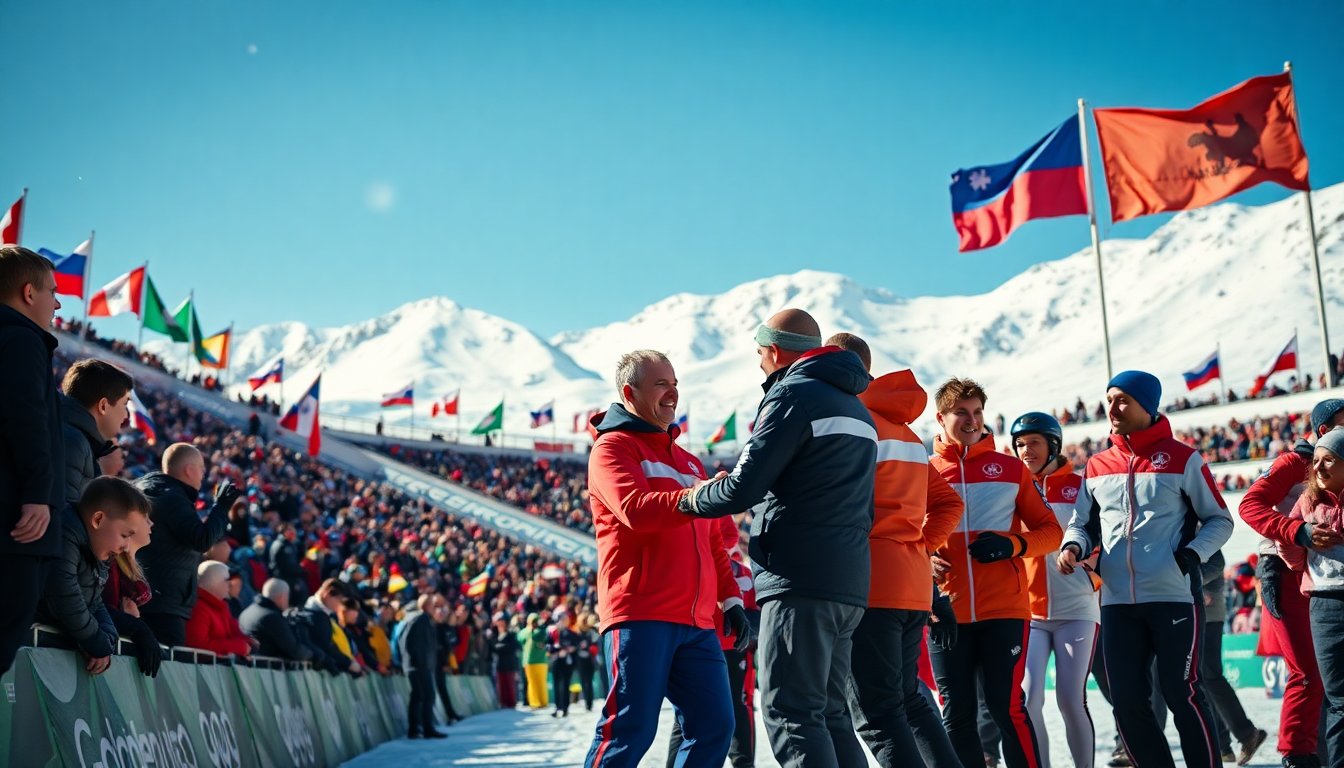
The Winter Olympics go beyond mere athletic competition; they symbolize national identity and pride. Recently, Kaja Kallas, the European Union’s leading diplomat, underscored this idea amid ongoing political tensions involving nations like Russia and the United States. Her statements at the Olympics not only highlighted Europe’s athletic achievements but also the complex geopolitical dynamics that shape the continent.
Demonstrating European unity
During an interview, Kaja Kallas emphasized the importance of a collective European identity. She stated, “Our public also has a pride, a European pride,” which resonated with the audience. This remark followed a moment where boos were directed at JD Vance, a notable political figure, illustrating a clear opposition to divisive politics. In this context, the Olympics serve as a microcosm of broader European sentiment, highlighting unity and resilience among nations.
The role of sports in diplomacy
Sports often act as a bridge between nations, facilitating dialogue and understanding. Kaja Kallas’ participation in the Olympics highlights the significance of international events in strengthening diplomatic ties. Athletics can convey messages of unity that surpass political divisions. By promoting European solidarity, Kallas seeks to present a united stance amid external challenges.
Addressing security challenges
In addition to celebrating sports achievements, Kaja Kallas addressed critical security and defense issues facing Europe. She recently proposed activating the EU’s anti-evasion measures to prevent sensitive products from reaching Russia. This initiative demonstrates a proactive stance to ensure that Europe remains alert to potential threats, particularly in the current delicate geopolitical climate.
Formulating a new Arctic strategy
At a recent security conference at the University of Oslo, Kaja Kallas emphasized the urgent need for a comprehensive Arctic strategy. She criticized the existing framework as outdated, highlighting the necessity to address not only environmental issues but also security implications. With rising geopolitical tensions, particularly due to Russia’s assertiveness in the Arctic, developing a robust strategy is crucial for Europe’s safety.
Kallas indicated that collaboration with partner nations, such as Norway, is essential in drafting an effective strategy that tackles both environmental and security challenges. This collaborative approach marks a significant shift in European defense policy, aiming for a more cohesive and coordinated response to the pressing issues in the region.
Navigating international relations
Kaja Kallas is currently addressing the intricate dynamics of international relations, particularly concerning Russia and the United States. The ongoing conflict in Ukraine highlights the fragile nature of diplomatic negotiations, as Ukraine faces significant pressures to make concessions. Kallas emphasizes the necessity of reciprocal actions, insisting that Russia must also participate in discussions regarding military limitations and arms control.
According to Kallas, the current global order demands a thorough reassessment. Numerous nations advocate for a rules-based international framework to safeguard their security, yet there is growing skepticism about the efficacy of existing institutions. She stated, “Today, the United Nations is not functioning as it should,” underscoring the urgent need for reform to adapt to the shifting security landscape.
Kaja Kallas and her counterparts are focused on pressuring Russia to move beyond negotiation theatrics and engage in meaningful dialogue. As geopolitical dynamics evolve, the European Union’s role is becoming increasingly vital. It is essential for Europe to present a unified stance on the global stage to foster stability and enhance its influence in international relations.
Strengthening European defense
In light of current challenges, Kaja Kallas emphasized the need to enhance European defense capabilities. The European Union’s ability to operate independently in security matters is vital, particularly as the United States reassesses its commitments in Europe. While she recognizes the current reliance on the U.S., Kallas insists on the importance of Europe strengthening its own defense mechanisms.
By increasing investment in defense and framing security as a collective European issue rather than just a national one, Kallas seeks to shift the prevailing narrative. This proactive approach not only addresses existing vulnerabilities but also aims to cultivate a stronger, more resilient Europe, prepared to confront future challenges.
Kaja Kallas exemplifies the essence of European unity and pride, particularly evident during the Olympics. Her emphasis on diplomatic engagement and security measures underscores a dedication to enhancing a cohesive European identity. This approach addresses the significant geopolitical challenges faced today.